New Technologies in Construction: Revolutionizing the Construction Sector
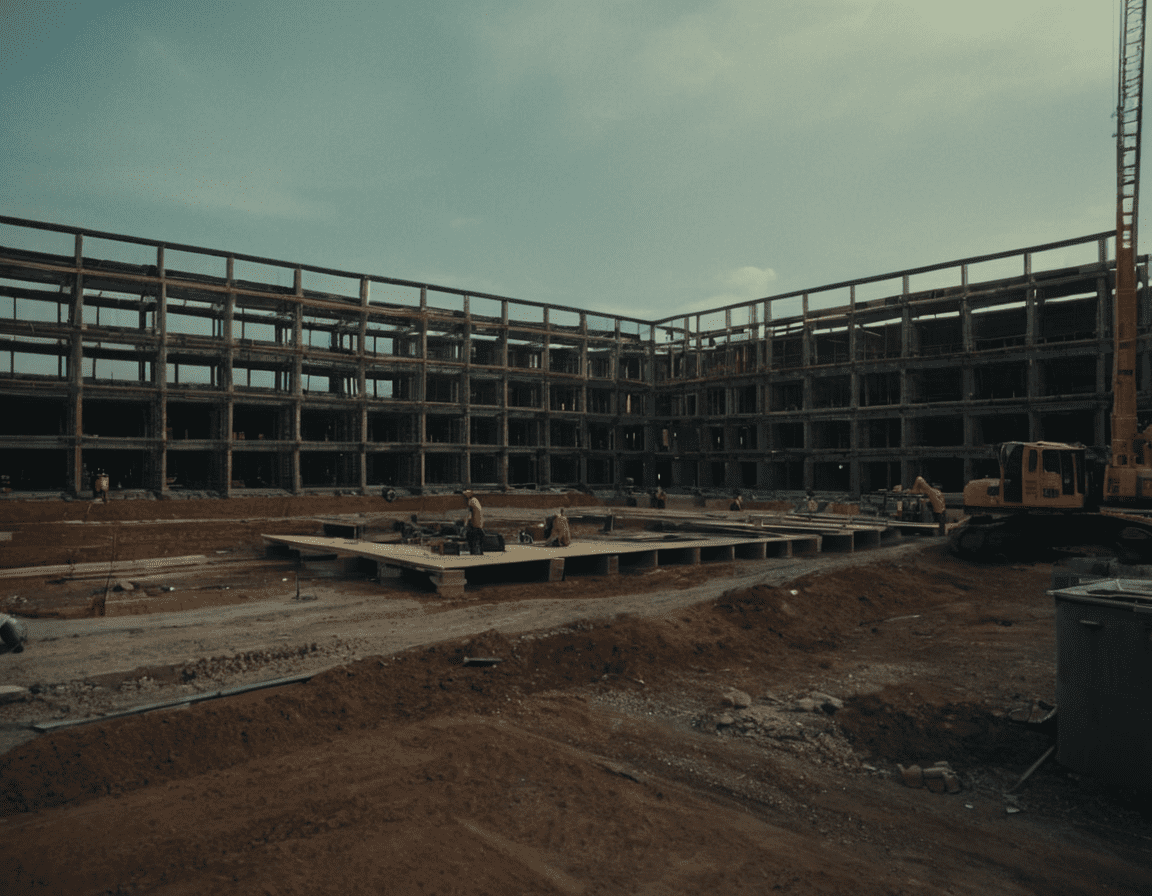
The construction industry is undergoing an unprecedented transformation thanks to technological innovation. New technologies are revolutionizing every aspect of the construction sector, from energy efficiency to workplace safety, from design to building management. In this article, we will explore some of the latest technological innovations in construction and their impact on how we design, build, and manage buildings.
1. Building Information Modeling (BIM):
Building Information Modeling, or BIM, is a project design and management methodology that uses intelligent 3D models to virtually represent a building and all its components. This technology allows architects, engineers, and builders to collaborate more efficiently, reducing design errors and optimizing building and facility management processes.
2. Prefabrication and 3D Printing:
Prefabrication and 3D printing are revolutionizing the way buildings are constructed. These technologies enable the production of highly customized building components in factories or through 3D printers, reducing construction times, costs, and waste on-site.
3. Innovative Materials:
New construction materials, such as transparent concrete, advanced composite materials, and phase-change materials, are emerging as more sustainable and energy-efficient alternatives to traditional materials. These materials offer properties such as increased strength, improved thermal insulation, and the ability to reduce building energy consumption.
4. Internet of Things (IoT) and Smart Buildings:
The Internet of Things (IoT) is revolutionizing the concept of smart buildings, allowing for the connection and remote control of devices and systems within buildings. IoT sensors monitor and optimize energy usage, improve occupant safety and comfort, and enable predictive maintenance of facilities.
5. Renewable Energy and Integrated Energy Systems:
The integration of renewable energy technologies, such as solar panels and wind turbines, along with energy storage systems and integrated energy systems, is making buildings increasingly self-sufficient in terms of energy. These systems reduce reliance on traditional energy sources and contribute to the reduction of carbon emissions.
Benefits of New Technologies in Construction:
Greater Efficiency: New technologies enable more efficient construction processes, reducing construction times and operating costs.
Environmental Sustainability: The use of innovative materials and the integration of renewable energies help reduce the environmental impact of buildings.
Better Quality: Advanced design and construction systems improve the quality and durability of buildings, reducing the need for maintenance.
In conclusion, new technologies are radically transforming the construction sector, offering more efficient, sustainable and intelligent solutions. The adoption of these technologies is essential to address future challenges and create a safer, more comfortable and environmentally friendly built environment.