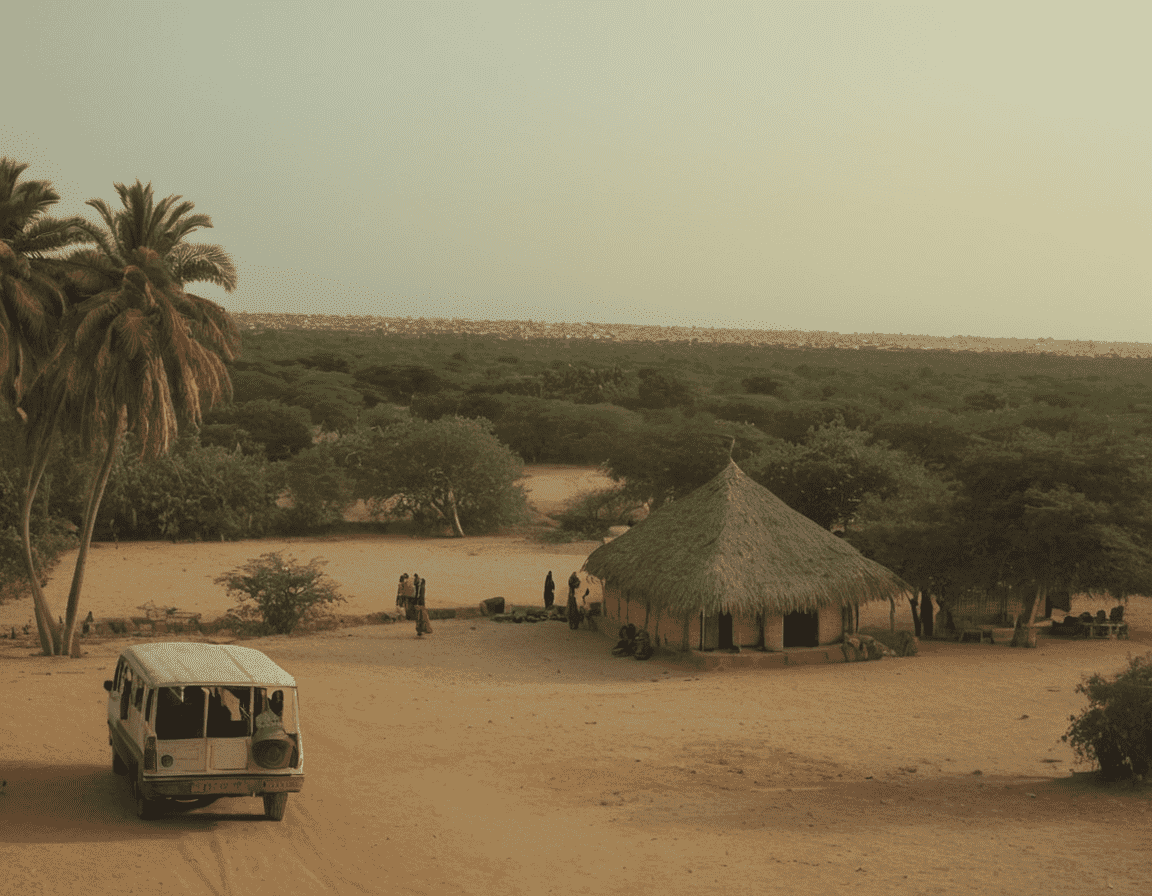
Safari: An Adventure in the Wild
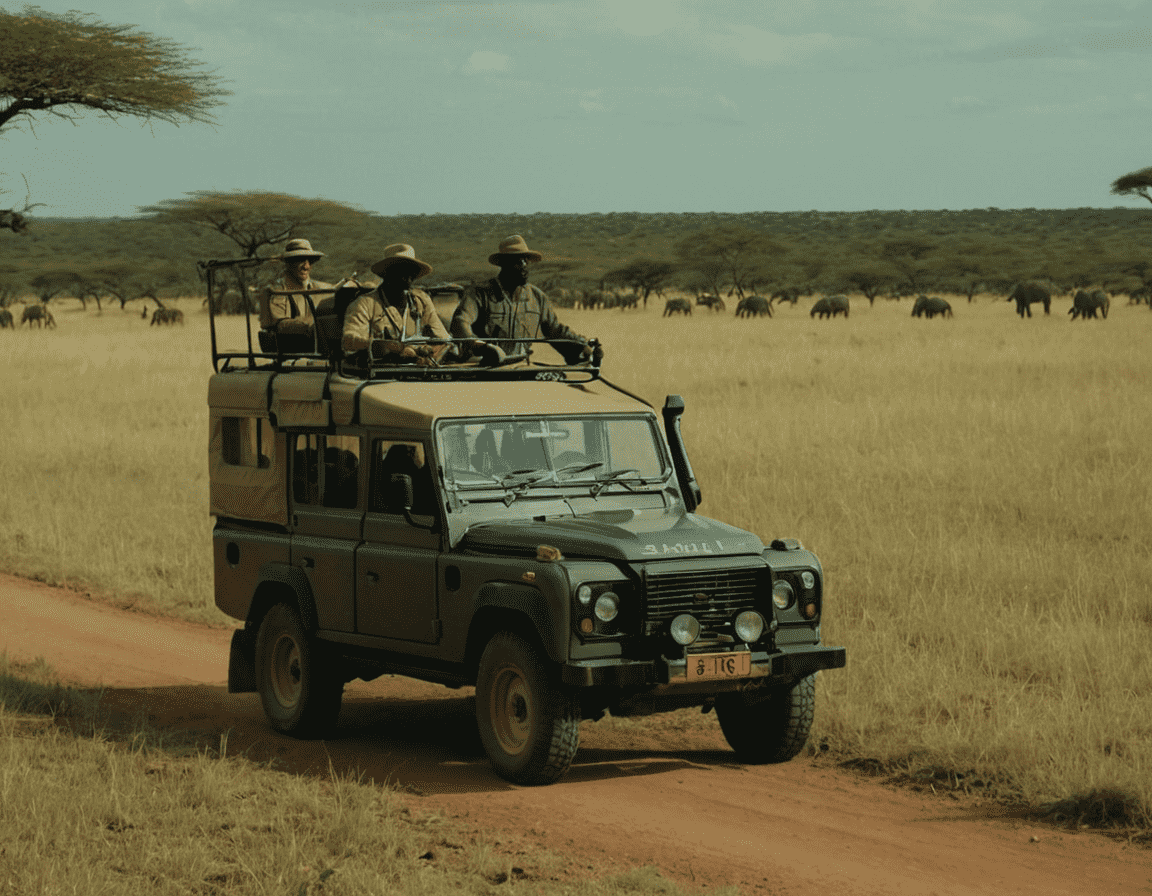
A safari is a unique experience that offers the opportunity to explore the wilderness and observe wildlife up close in their natural habitat. Originally developed in East and Southern Africa, the safari has evolved from big game hunting to an activity focused on conservation and animal observation. Modern safaris combine adventure, discovery, and respect for the environment, making them a popular choice among travelers seeking an unforgettable experience. In this article, we will explore the principles of safaris, the most famous destinations, the benefits, and some practical tips for a perfect safari.
Principles of a Safari
Wildlife Observation: The heart of any safari is the opportunity to see wild animals in their natural environment. The most sought-after species include the "Big Five" (lion, leopard, rhinoceros, elephant, and buffalo), along with many other mammals, birds, and reptiles.
Conservation: Modern safaris place great emphasis on conservation and the protection of natural habitats. Many tour operators collaborate with nature reserves and national parks to support conservation projects.
Expert Guides: A successful safari is often led by expert rangers and naturalists who share their knowledge of local fauna and flora, enhancing the observation experience.
Immersion in Nature: In addition to wildlife observation, safaris offer the opportunity to immerse oneself in spectacular landscapes, ranging from savannas and rainforests to mountains and deserts.
Famous Safari Destinations
Kenya: The Masai Mara is one of Kenya's most famous reserves, known for the Great Migration of wildebeests. Other popular destinations include Amboseli National Park and Tsavo National Park.
Tanzania: The Serengeti and Ngorongoro Crater are among Tanzania's most iconic destinations. These parks offer incredible wildlife viewing opportunities and breathtaking landscapes.
South Africa: Kruger National Park is one of the world's largest and most famous parks, with a vast array of wildlife. Other notable destinations include the private reserves of Sabi Sand and Timbavati.
Botswana: The Okavango Delta is a unique area, famous for its water-rich wildlife. Chobe National Park is also renowned for its large elephant population.
Namibia: Etosha National Park is famous for its waterholes, where animals gather during the dry season. The desert landscapes of the Namib and the Kalahari National Park offer unique safari experiences.
Benefits of Safaris
Once-in-a-Lifetime Experience: A safari offers the chance to see wild animals in a way that no other experience can match. It is an exciting adventure that stays with travelers for a lifetime.
Conservation and Education: Participating in a safari contributes to the conservation of natural habitats and the protection of endangered species. Additionally, travelers learn a lot about wildlife and ecology.
Connection with Nature: A safari provides an escape from everyday life and an opportunity to reconnect with nature. The pristine landscapes and tranquility of the wilderness have a restorative effect.
Photography: Safaris are a paradise for photographers. The opportunities to capture spectacular images of wildlife and landscapes are endless.
Tips for a Perfect Safari
Choose the Right Season: The dry season is generally the best for safaris, as animals gather around waterholes. However, each season offers unique experiences.
Bring the Right Gear: A good camera, binoculars, comfortable and protective clothing, and a hat are essential to fully enjoy a safari.
Respect Nature: It is important to follow park rules and guide instructions to ensure your safety and that of the animals. Keeping a safe distance from animals is crucial.
Be Patient: Animal sightings can take time. Patience and attention to detail are key to a good safari experience.
Support Conservation Projects: Choosing tour operators that collaborate with nature reserves and conservation projects helps protect wildlife and natural habitats.
Conclusion
Safaris offer an unparalleled opportunity to explore the wilderness and observe wildlife in their natural habitat. With a variety of destinations and a focus on conservation, safaris not only offer exciting adventures but also a way to contribute to the protection of our planet. With proper preparation and a respectful attitude towards nature, a safari can become a transformative and unforgettable experience.