Culinary Techniques
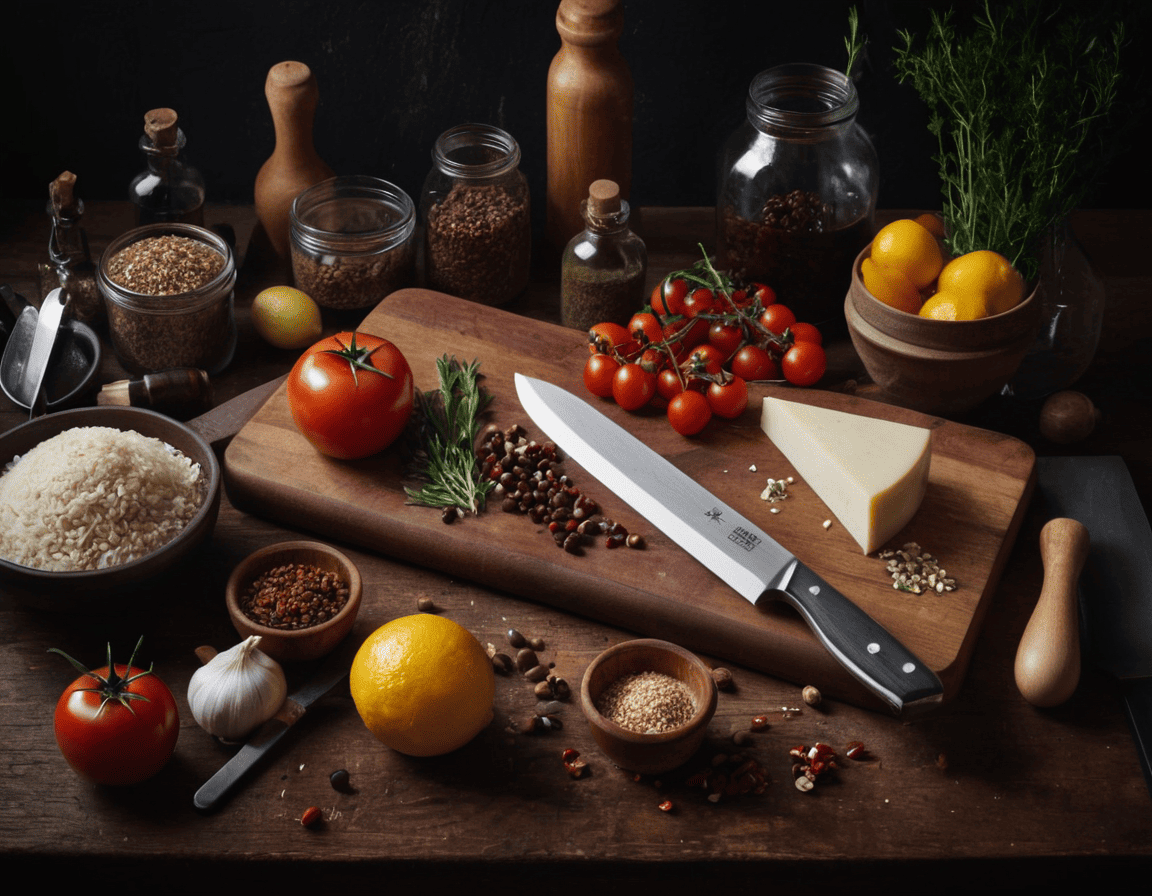
Culinary techniques are fundamental for preparing quality dishes. Knowing and mastering various cooking techniques allows you to improve your culinary skills and experiment with new recipes. Here is an overview of the main culinary techniques that every cooking enthusiast should know.
Basic Techniques
Cutting and Slicing:
Julienne: Cutting into thin, long strips.
Brunoise: Cutting into small cubes.
Chiffonade: Cutting into thin strips, typically used for herbs.
Sautéing:
Description: Lightly browning onion, garlic, celery, and/or carrots in oil or butter to create a flavorful base for dishes like soups and sauces.
Blanching:
Description: Quickly boiling food and then immediately plunging it into ice water to stop the cooking process. Often used for vegetables.
Deglazing:
Description: Adding liquid (wine, broth) to a hot pan to dissolve and incorporate the caramelized bits left after cooking meat.
Cooking Techniques
Boiling:
Description: Cooking in boiling water or broth. Used for pasta, vegetables, and meats.
Steaming:
Description: Cooking food using steam. Preserves nutrients and flavor of the ingredients.
Grilling:
Description: Cooking on a grill or barbecue. Imparts a smoky flavor to food.
Roasting:
Description: Cooking in an oven at high temperatures, often used for meats and vegetables.
Braising:
Description: Slow cooking in a flavorful liquid, often used for tougher cuts of meat. Combines oven and stovetop cooking.
Frying:
Description: Cooking food in hot oil. Includes deep frying, pan frying, and sautéing.
Advanced Preparation Techniques
Sous-Vide:
Description: Low-temperature cooking of vacuum-sealed food in a water bath.
Spherification:
Description: Molecular gastronomy technique that transforms liquids into spheres that burst in the mouth, similar to caviar.
Emulsification:
Description: Creating a stable emulsion from two immiscible liquids, like oil and water. Used to prepare sauces like mayonnaise.
Smoking:
Description: Exposing food to smoke from burning wood or other materials to impart flavor. Can be done hot or cold.
Fermentation:
Description: Using bacteria, yeast, or molds to transform and preserve food. Examples include yogurt, kimchi, and sauerkraut.
Presentation Techniques
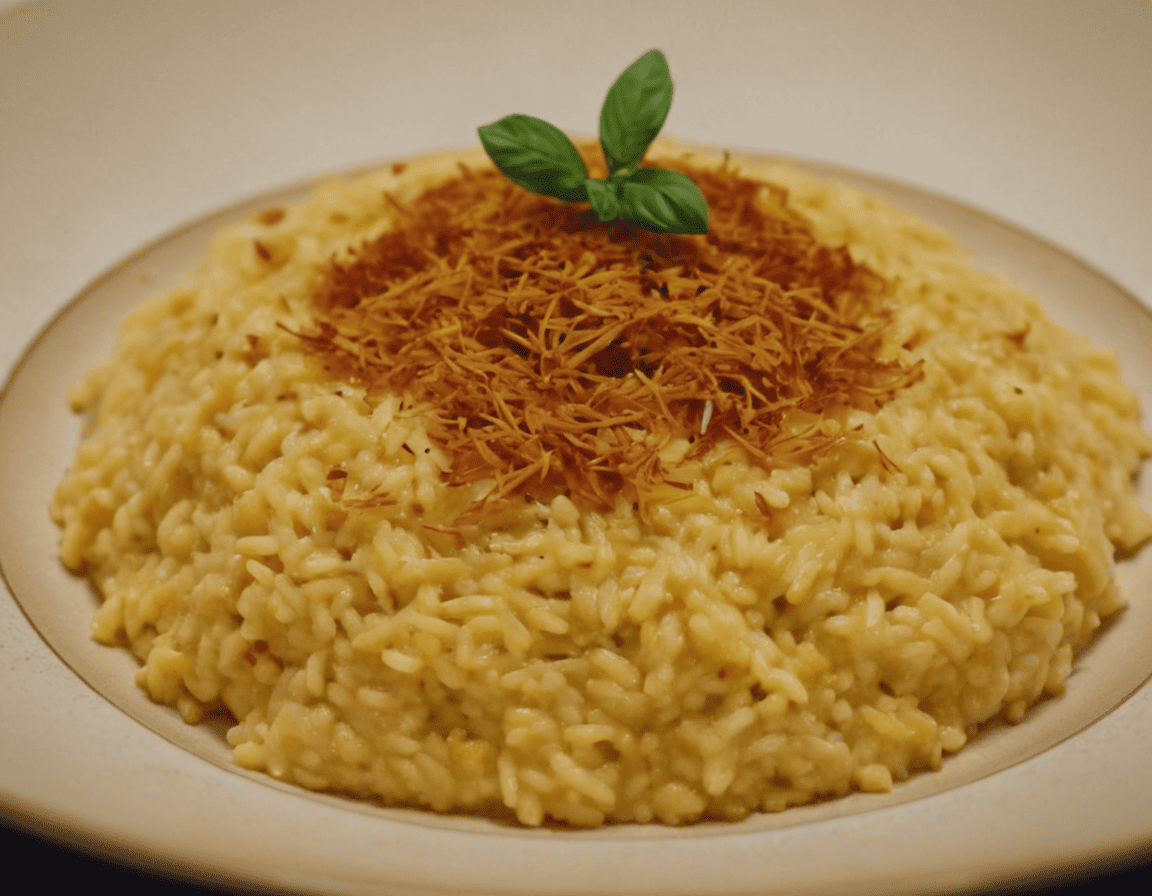
Plating:
Description: The art of arranging food on a plate in an aesthetic manner. Includes the use of colors, shapes, and textures.
Foams and Espumas:
Description: Using siphons to create light foams from flavored liquids. Common in molecular gastronomy.
Garnishing:
Description: Decorating dishes with fresh herbs, edible flowers, or other decorative elements to enhance presentation.
Tips for Success in the Kitchen
Preparation: Prepare all ingredients and equipment before starting to cook (mise en place).
Attention to Detail: Follow recipes carefully and pay attention to temperatures and cooking times.
Experimentation: Don’t be afraid to experiment with new techniques and ingredients. Cooking is also about creativity.
Knowing and mastering these culinary techniques can significantly improve your skills in the kitchen, allowing you to prepare delicious and sophisticated dishes with confidence. Have fun and bon appétit!