What to Put on a Red Cat's Plate: Secrets to Feeding Them Right
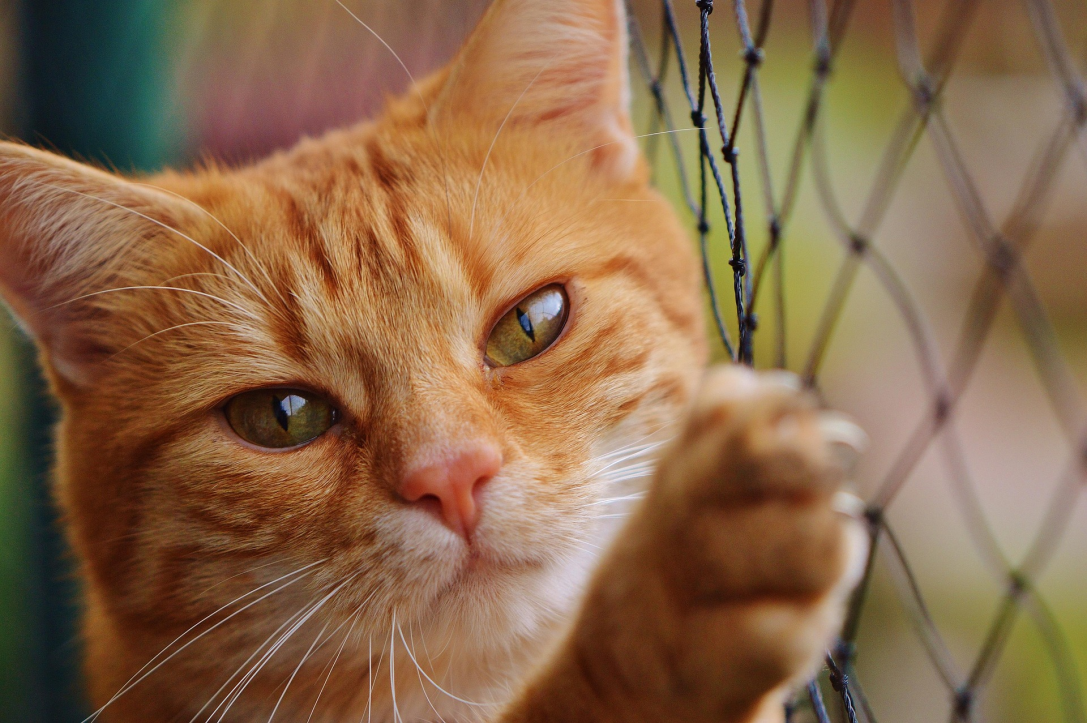
They have fiery-red fur, mesmerizing eyes, and a personality that’s half cuddles and half whirlwind.
Ginger cats aren’t just beautiful—they’re truly special. And to keep them healthy and full of energy, their diet makes all the difference.
What Should Be on a Ginger Cat’s Plate
1. High-quality animal protein
Cats are carnivores. Chicken, turkey, rabbit, and fatty fish form the foundation of their diet. Protein helps maintain strong muscle mass and the thick coat typical of ginger cats.
2. Omega-3 and 6 for a lustrous coat
A ginger coat tends to dry out and lose its shine. Adding salmon oil or flaxseed to their diet helps keep it soft and glossy.
3. Antioxidants for the Immune System
Ginger cats often have more sensitive skin and digestive systems. Cooked vegetables like pumpkin and zucchini, or supplements containing cranberry and turmeric, can help.
4. Consistent Hydration
Cats don’t drink much. Alternating between dry kibble and high-quality wet food helps prevent kidney problems, which are very common in male cats.
What to Avoid
- Excessive grains: cause bloating and provide little nutrition
- Onions, garlic, chocolate: toxic to all cats
- Oversized meals: ginger cats are often big eaters and tend to be overweight
The Golden Rule
Every cat is unique, even among ginger cats. Age, weight, and lifestyle all affect portion sizes.
The most important thing is consistency: regular mealtimes, a clean bowl, and fresh water always available.
Feeding a ginger cat isn’t just about filling a bowl.
It’s about taking care of a little ray of sunshine that lives in your home with you.