The Influence of Nature in Fashion: A Harmonious Blend of Style and Sustainability
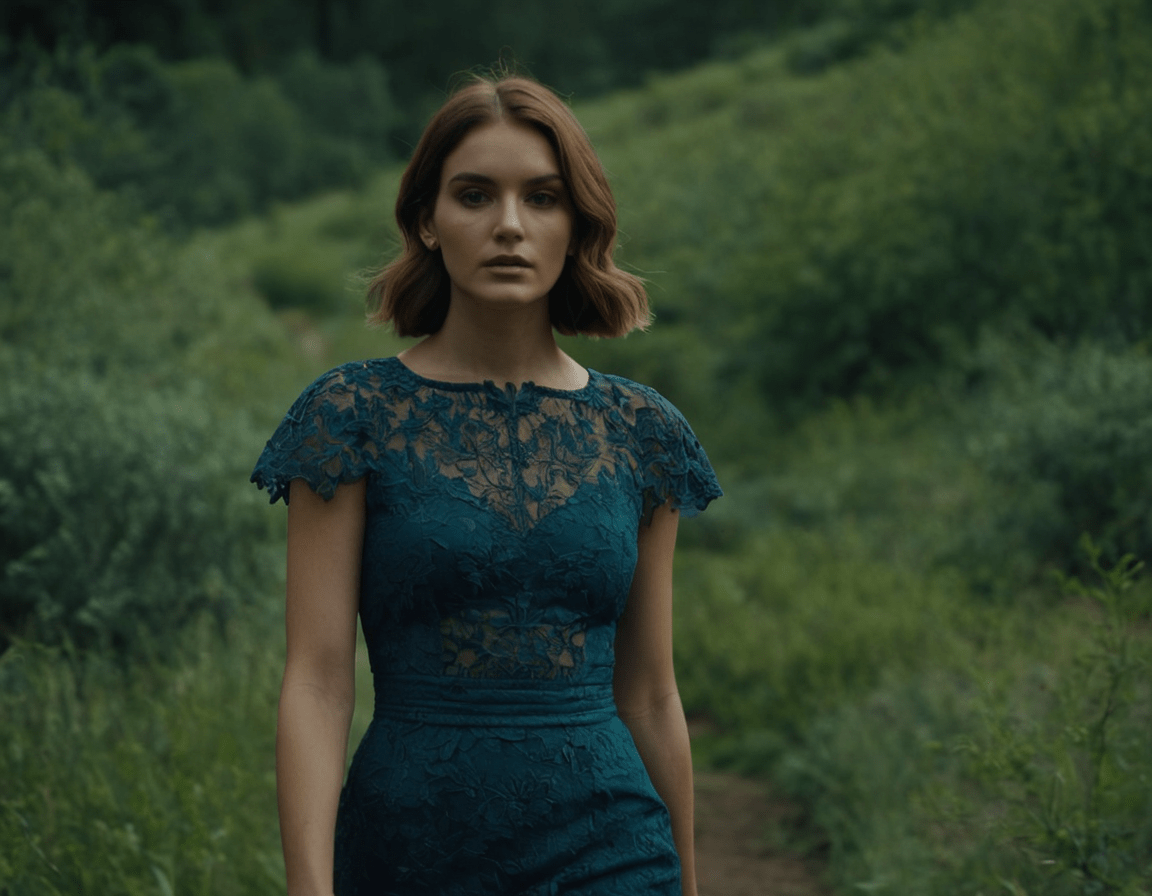
Nature has long been a source of inspiration for artists, poets, and designers alike. Its beauty, diversity, and intricate patterns have found their way into various aspects of human creativity, including the world of fashion. In recent years, there has been a growing trend towards incorporating elements of nature into fashion design, not only for aesthetic purposes but also as a reflection of our increasing awareness of environmental sustainability. In this article, we'll explore the role of nature in fashion and how it is shaping the industry towards a more eco-conscious future.
Natural Materials:
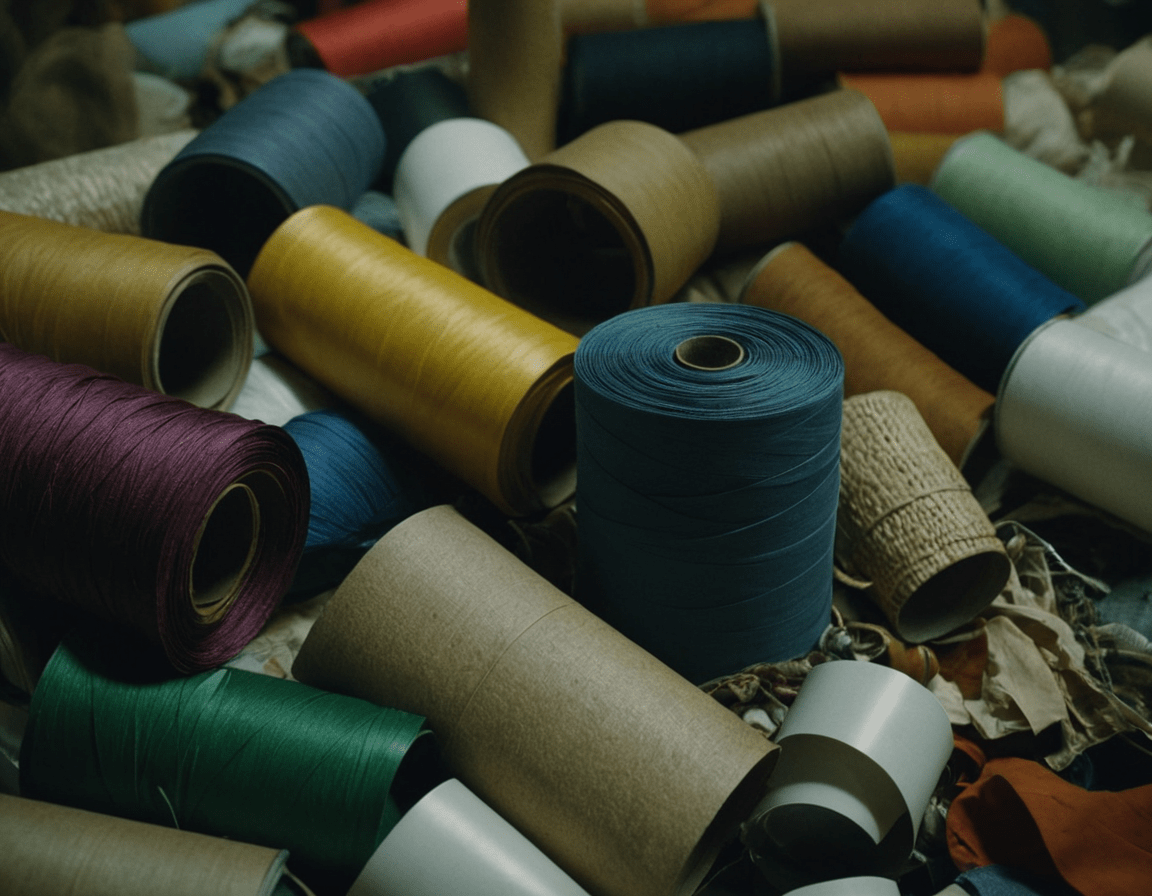
One of the most direct ways nature influences fashion is through the use of natural materials. Fabrics such as cotton, linen, silk, and wool are derived from plants, animals, and insects, making them inherently sustainable and biodegradable. Additionally, innovative technologies have enabled the development of eco-friendly alternatives to traditional textiles, such as bamboo, hemp, and organic cotton, which require fewer resources and have a lower environmental impact.
Botanical Prints and Patterns:
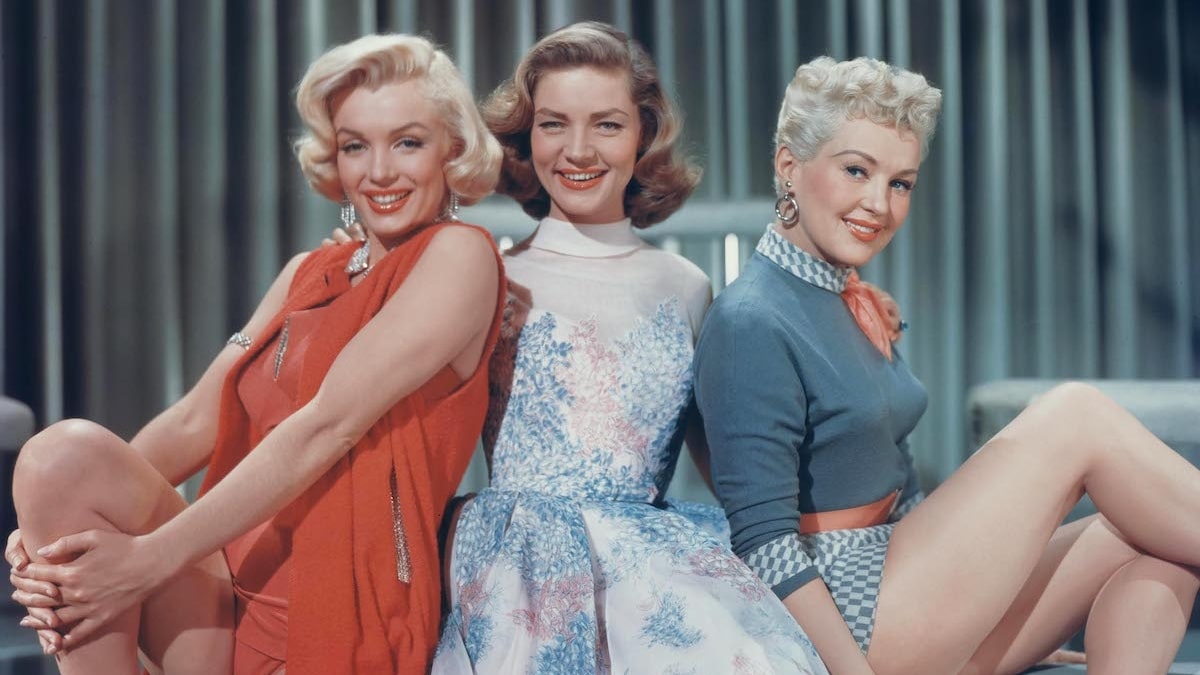
Floral motifs, leafy patterns, and botanical prints are perennial favorites in the world of fashion. Inspired by the beauty of the natural world, designers often incorporate these elements into their collections to evoke a sense of freshness, femininity, and vitality. Whether it's a delicate floral dress, a tropical-inspired swimsuit, or a leaf-print blouse, botanical prints add a touch of whimsy and charm to any outfit, bringing the beauty of nature into our everyday lives.
Animal-Inspired Fashion:
Animal prints have been a mainstay in fashion for decades, drawing inspiration from the rich diversity of wildlife around the world. From leopard spots and zebra stripes to snakeskin and crocodile textures, animal-inspired patterns add a touch of exoticism and allure to fashion designs. However, with growing concerns about animal welfare and ethical fashion, many designers are opting for cruelty-free alternatives, such as faux fur, vegan leather, and recycled materials, that mimic the look and feel of animal skins without harming animals.
Sustainable Practices:
In addition to using natural materials and incorporating nature-inspired motifs, many fashion brands are adopting sustainable practices to reduce their environmental footprint. This includes implementing eco-friendly manufacturing processes, reducing waste and water usage, and sourcing materials responsibly. By prioritizing sustainability, these brands are not only minimizing their impact on the planet but also setting a positive example for the industry as a whole.
Conclusion:
The influence of nature in fashion is undeniable, from the use of natural materials to the incorporation of botanical prints and animal-inspired designs. As the fashion industry becomes increasingly aware of the importance of sustainability, we can expect to see even more innovative and eco-friendly approaches to fashion design in the future. By embracing the beauty of nature and integrating it into our wardrobe choices, we can not only look good but also feel good about the impact we're making on the planet.