Fashion and Recycling: A Sustainable Approach to Creativity in the Fashion Industry
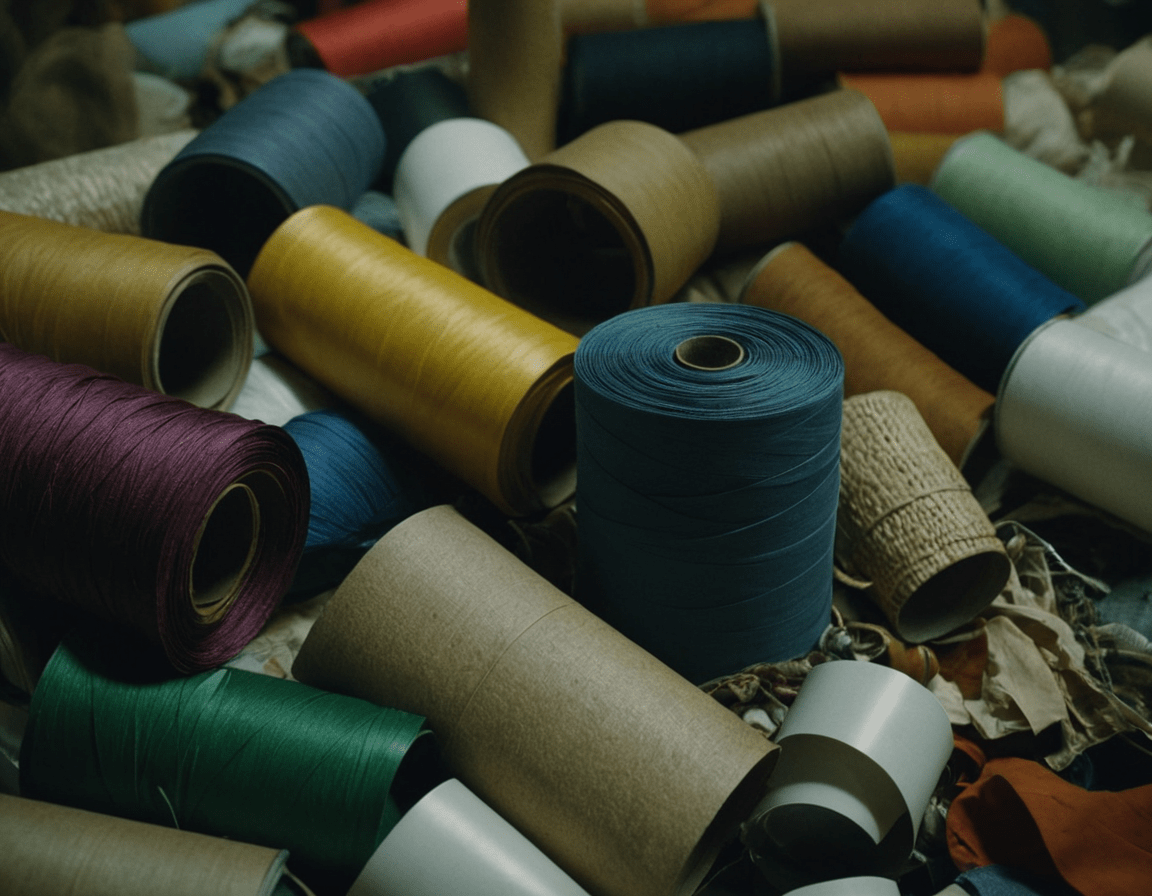
In the current era, where environmental sustainability has become a global priority, the fashion industry is increasingly directing its attention towards recycling as a means to reduce environmental impact and promote more eco-friendly practices. The idea that "old becomes new" is gaining traction, with designers and brands embracing recycling as a source of inspiration and innovation. In this article, we will explore the growing movement of sustainable fashion through recycling and how it is influencing the industry and consumers.
The Concept of "Upcycling":
One of the most significant trends in fashion recycling is upcycling, a process whereby waste materials are transformed into new high-quality garments instead of being discarded. This creative approach not only reduces waste but also the need to use new resources, thereby contributing to preserving the environment. Upcycled garments often feature a unique and artisanal aesthetic, adding value both in terms of sustainability and design.
Material Recycling:
In addition to upcycling, many designers are exploring the use of recycled materials as an alternative to traditional sources. Recycled plastic bottles, fabrics from textile waste, and even rubber tires are being transformed into innovative textiles for the production of clothing and accessories. These recycled materials not only reduce environmental impact but also often feature advanced technical characteristics such as water resistance, breathability, and durability.
Collaborations with Recycling Organizations:
Numerous fashion brands are collaborating with specialized recycling organizations to integrate recycled materials into their collections. These partnerships not only promote waste reduction but also raise awareness about issues related to waste management and environmental sustainability. Additionally, many of these collaborations contribute to supporting local communities and sustainable development projects.
Consumer Awareness:
The growing interest in sustainable fashion has led to an increase in consumer awareness about production practices and materials used in fashion. Consumers are increasingly inclined to choose brands that adopt sustainable practices and offer recycling options, prompting the industry to respond to this demand with innovative and transparent solutions.
Conclusions:
Recycling in fashion is not just a trend, but a movement that is gaining increasing relevance in the industry. With a growing focus on environmental sustainability and consumer awareness, recycling is becoming a fundamental pillar of modern fashion. Through upcycling, the use of recycled materials, and collaborations with recycling organizations, the fashion industry is demonstrating its commitment to a more sustainable and responsible future.