The Importance of Physical Well-being: Strategies for a Healthy Lifestyle

Physical well-being is a cornerstone of overall health and happiness. It encompasses not only the absence of illness or disease but also the presence of vitality, energy, and the ability to engage fully in life's activities. In this article, we will explore the significance of physical well-being and provide practical strategies for cultivating a healthy lifestyle.
Understanding Physical Well-being
Physical well-being refers to the state of one's physical health and fitness. It encompasses various aspects, including:
Nutrition: Consuming a balanced diet rich in fruits, vegetables, whole grains, lean proteins, and healthy fats provides the body with essential nutrients for optimal functioning.
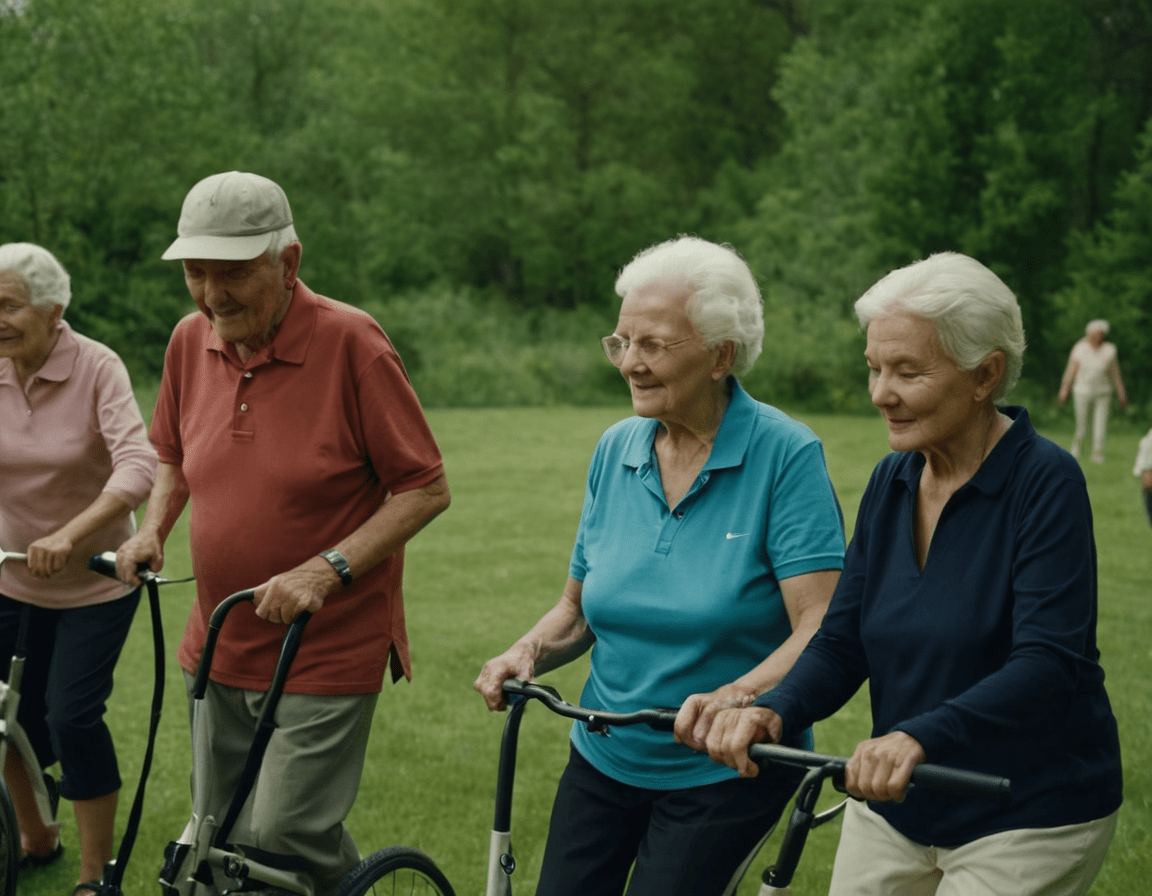
Exercise: Regular physical activity is vital for maintaining cardiovascular health, muscle strength, flexibility, and overall fitness. Aim for at least 150 minutes of moderate-intensity exercise or 75 minutes of vigorous-intensity exercise per week.
Sleep: Quality sleep is essential for physical recovery, cognitive function, and emotional well-being. Aim for 7-9 hours of restful sleep per night to support overall health.
Hydration: Proper hydration is crucial for regulating body temperature, supporting digestion, and maintaining cognitive function. Aim to drink at least 8-10 glasses of water per day, more if you are physically active or in hot weather.
Stress Management: Chronic stress can have detrimental effects on physical health. Incorporate stress-reduction techniques such as mindfulness meditation, deep breathing exercises, or yoga into your daily routine.
Benefits of Physical Well-being
Improved Physical Health: Prioritizing physical well-being reduces the risk of chronic diseases such as heart disease, diabetes, obesity, and certain cancers.
Enhanced Mental Health: Regular exercise releases endorphins, neurotransmitters that promote feelings of happiness and well-being. Physical activity also reduces symptoms of anxiety and depression.
Increased Energy and Vitality: A healthy lifestyle supports optimal energy levels, allowing you to tackle daily tasks with vigor and enthusiasm.
Better Sleep Quality: Engaging in regular exercise and maintaining a healthy diet promotes restful sleep, leading to improved cognitive function and emotional resilience.
Enhanced Quality of Life: Physical well-being enables you to participate fully in activities you enjoy, maintain independence as you age, and experience a higher overall quality of life.
Strategies for Cultivating Physical Well-being
Eat a Balanced Diet: Focus on whole, nutrient-dense foods and limit processed foods, sugary snacks, and unhealthy fats.
Stay Active: Incorporate a variety of physical activities into your routine, including cardio, strength training, flexibility exercises, and recreational activities you enjoy.
Prioritize Sleep: Establish a consistent sleep schedule, create a relaxing bedtime routine, and create a sleep-friendly environment in your bedroom.
Stay Hydrated: Carry a reusable water bottle with you throughout the day and drink water regularly to stay hydrated.
Manage Stress: Practice stress-reduction techniques such as meditation, deep breathing exercises, or spending time in nature to reduce stress levels.
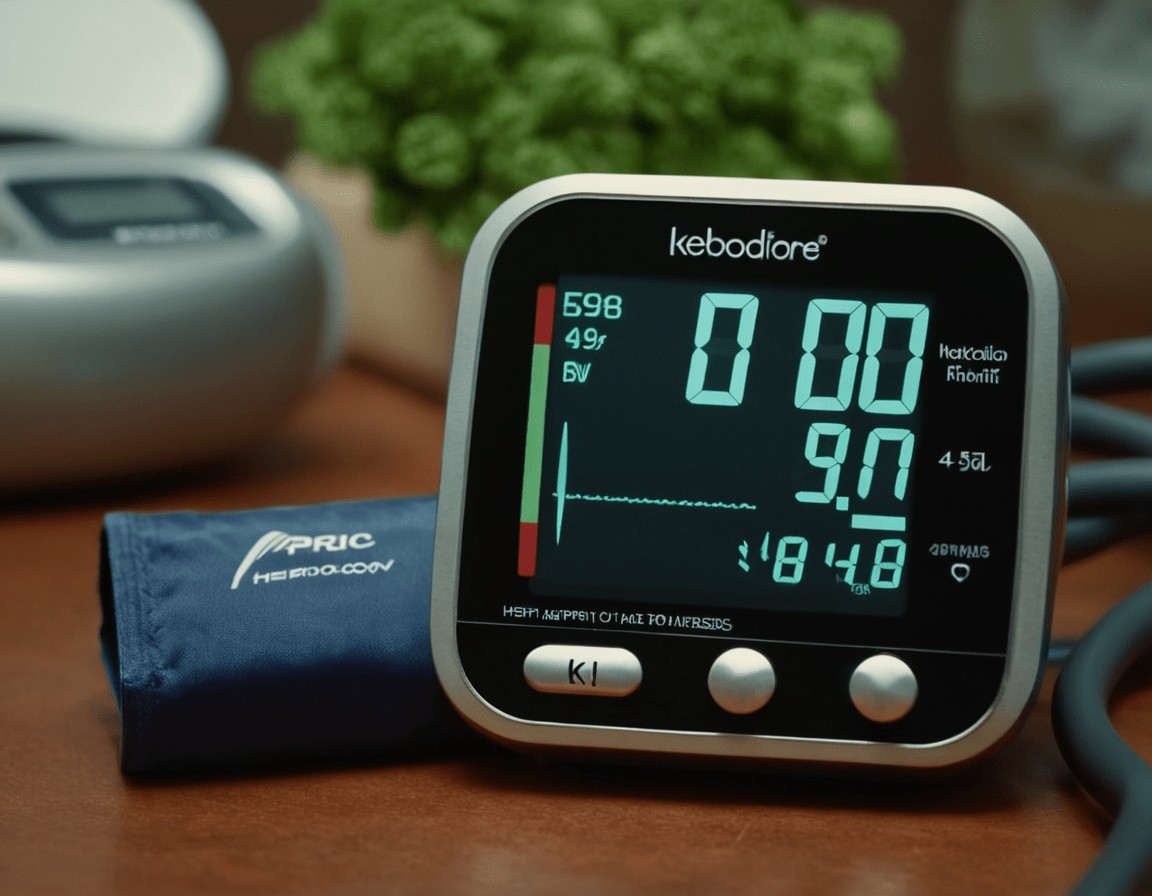
Get Regular Check-ups: Schedule regular visits with your healthcare provider for preventive screenings, vaccinations, and health assessments.
Conclusion
Physical well-being is essential for living a vibrant, fulfilling life. By prioritizing healthy habits such as nutritious eating, regular exercise, quality sleep, hydration, and stress management, you can optimize your physical health and enjoy a higher quality of life. Remember that small, consistent changes can lead to significant improvements in your overall well-being. Start incorporating these strategies into your daily routine today to reap the benefits of physical well-being for years to come.