Promoting Elderly Health: Strategies for Well-being and Longevity
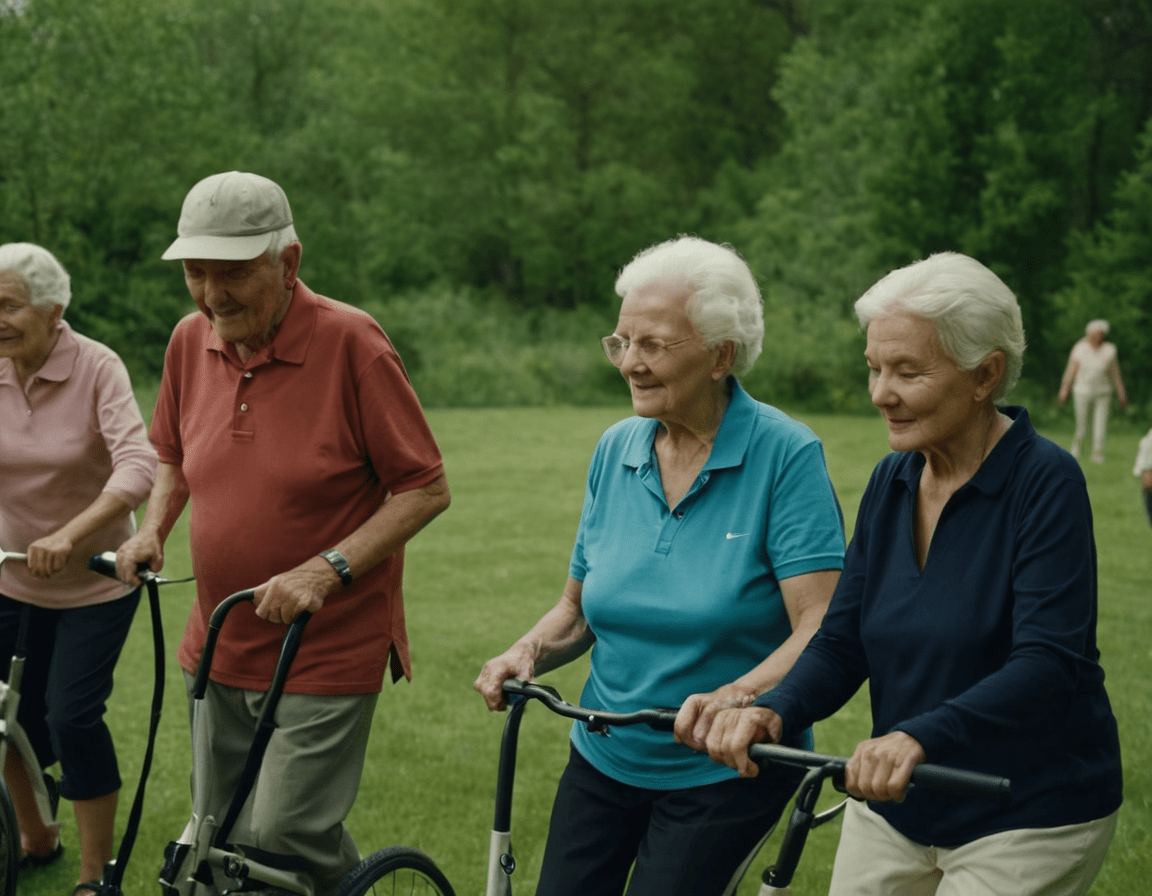
As our population ages, the importance of elderly health becomes increasingly significant. Ensuring the well-being of our seniors not only enhances their quality of life but also contributes to the overall health and vitality of society. In this article, we'll explore various aspects of elderly health, including challenges, strategies for promoting well-being, and tips for longevity.
Challenges in Elderly Health:
Older adults often face unique health challenges due to factors such as age-related decline, chronic conditions, and social isolation. Common health issues among seniors include:
Chronic Diseases: Conditions like arthritis, diabetes, heart disease, and osteoporosis are more prevalent in older age groups and can significantly impact quality of life.
Cognitive Decline: Age-related cognitive decline, including memory loss and dementia, presents significant challenges for elderly individuals and their caregivers.
Mobility Issues: Reduced mobility due to conditions like arthritis or muscle weakness can limit independence and increase the risk of falls and injuries.
Social Isolation: Many seniors experience social isolation and loneliness, which can have detrimental effects on mental and physical health.
Strategies for Promoting Elderly Health:
Despite these challenges, there are many strategies for promoting the health and well-being of older adults:
Regular Exercise: Physical activity is crucial for maintaining mobility, strength, and overall health. Encouraging seniors to engage in activities like walking, swimming, or gentle yoga can have numerous benefits.
Healthy Diet: A balanced diet rich in fruits, vegetables, lean proteins, and whole grains can help prevent chronic diseases and support overall health.
Regular Health Check-ups: Regular medical check-ups can help identify and manage health conditions early, improving outcomes and quality of life.
Social Engagement: Encouraging seniors to stay socially active through activities like joining clubs, volunteering, or participating in community events can combat loneliness and promote mental well-being.
Cognitive Stimulation: Engaging in activities that challenge the brain, such as puzzles, games, or learning new skills, can help maintain cognitive function and prevent cognitive decline.
Fall Prevention: Taking steps to reduce the risk of falls, such as removing tripping hazards and ensuring adequate lighting, can help prevent injuries and maintain independence.
Tips for Longevity:
In addition to promoting health and well-being, there are lifestyle factors that can contribute to longevity:
Maintaining Relationships: Strong social connections and meaningful relationships have been linked to longevity and better health outcomes.
Staying Active: Regular physical activity has numerous benefits for overall health and can help extend lifespan.
Eating Well: A nutritious diet rich in vitamins, minerals, and antioxidants can support health and longevity.
Managing Stress: Chronic stress can have a negative impact on health, so finding healthy ways to manage stress, such as meditation or spending time in nature, is important.
Getting Quality Sleep: Adequate sleep is essential for overall health and well-being, so prioritizing good sleep hygiene is crucial.
By addressing the unique challenges of elderly health and implementing strategies for promoting well-being and longevity, we can help seniors live healthier, happier lives in their golden years.