Drones: Revolutionizing the Sky and the Earth
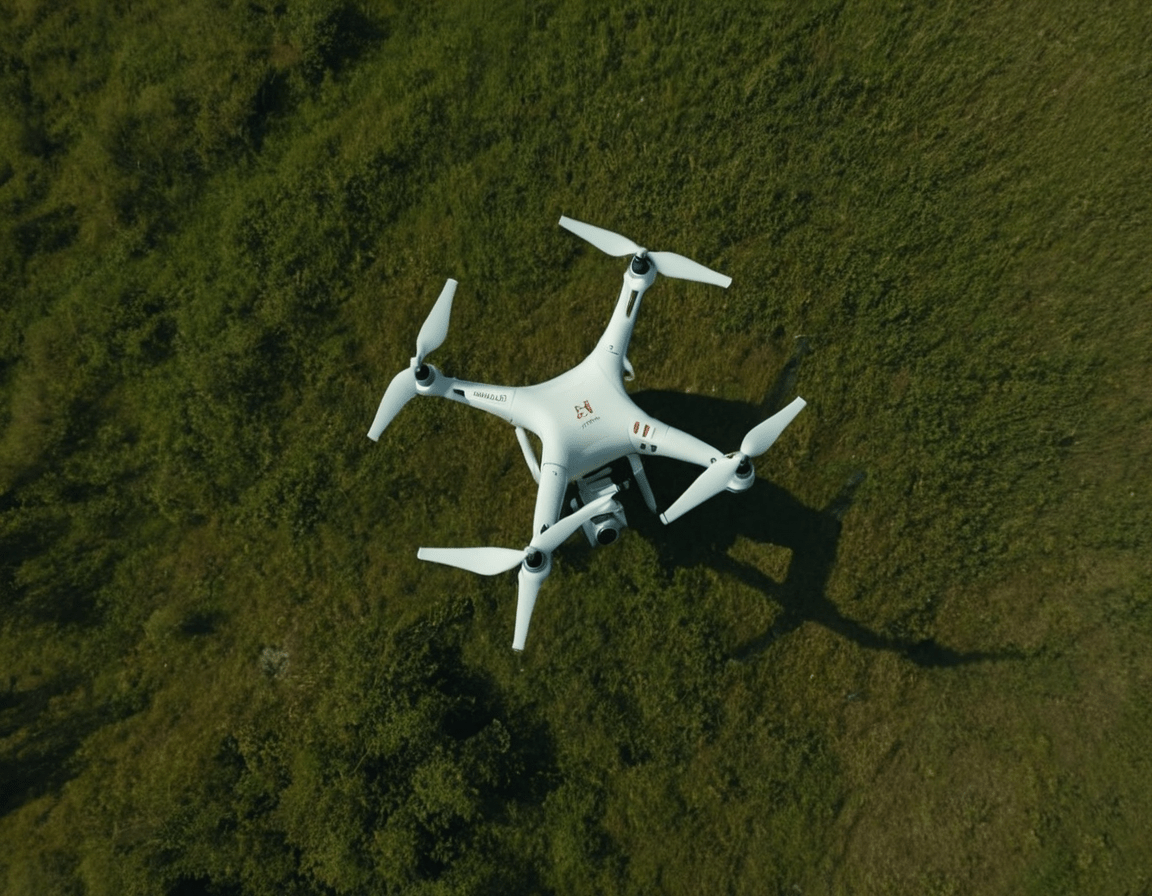
Drones, also known as Unmanned Aerial Vehicles (UAVs), represent one of the most innovative and versatile emerging technologies of recent years. Initially developed for military purposes, drones have quickly found applications in a wide range of civilian sectors, from photography and agriculture to logistics and surveillance. Their ability to fly autonomously or be remotely controlled, combined with the possibility of being equipped with various types of sensors and instruments, makes them powerful tools for multiple uses. In this article, we will explore the principles of drone operation, their main applications, benefits, and the challenges they present.
Principles of Drone Operation
Drones are aerial devices controlled remotely or programmed to fly autonomously using artificial intelligence software and GPS. The main components of a drone include:
Structure and Frame: The lightweight and durable structure, often made of composite materials, houses the electronic components and propellers.
Motors and Propellers: Electric motors spin the propellers, generating the thrust needed for flight.
Battery: The power source, typically a lithium-ion battery, provides the necessary energy for the drone's operation.
Control Unit: Includes the microprocessor and software that manage the flight, including motion sensors and navigation systems.
Sensors and Instruments: These can include cameras, lidar, GPS, infrared sensors, and other instruments depending on the specific application.
Applications of Drones
Drones are used in a wide range of sectors due to their versatility and ability to access hard-to-reach places. Some of the main applications include:
Aerial Photography and Videography: Drones are widely used to capture spectacular aerial images and videos for both commercial and creative purposes. They provide unique perspectives that are otherwise inaccessible.
Precision Agriculture: Farmers use drones to monitor crops, analyze plant health, map fields, and apply pesticides and fertilizers with precision. This technology helps improve yields and reduce operational costs.
Inspection and Maintenance: Drones are employed to inspect infrastructure such as bridges, power lines, pipelines, and buildings, reducing risks to workers and increasing the efficiency of maintenance operations.
Logistics and Deliveries: Logistics companies are experimenting with drones for rapid and safe delivery of packages, medicines, and other goods, especially in remote or hard-to-reach areas.
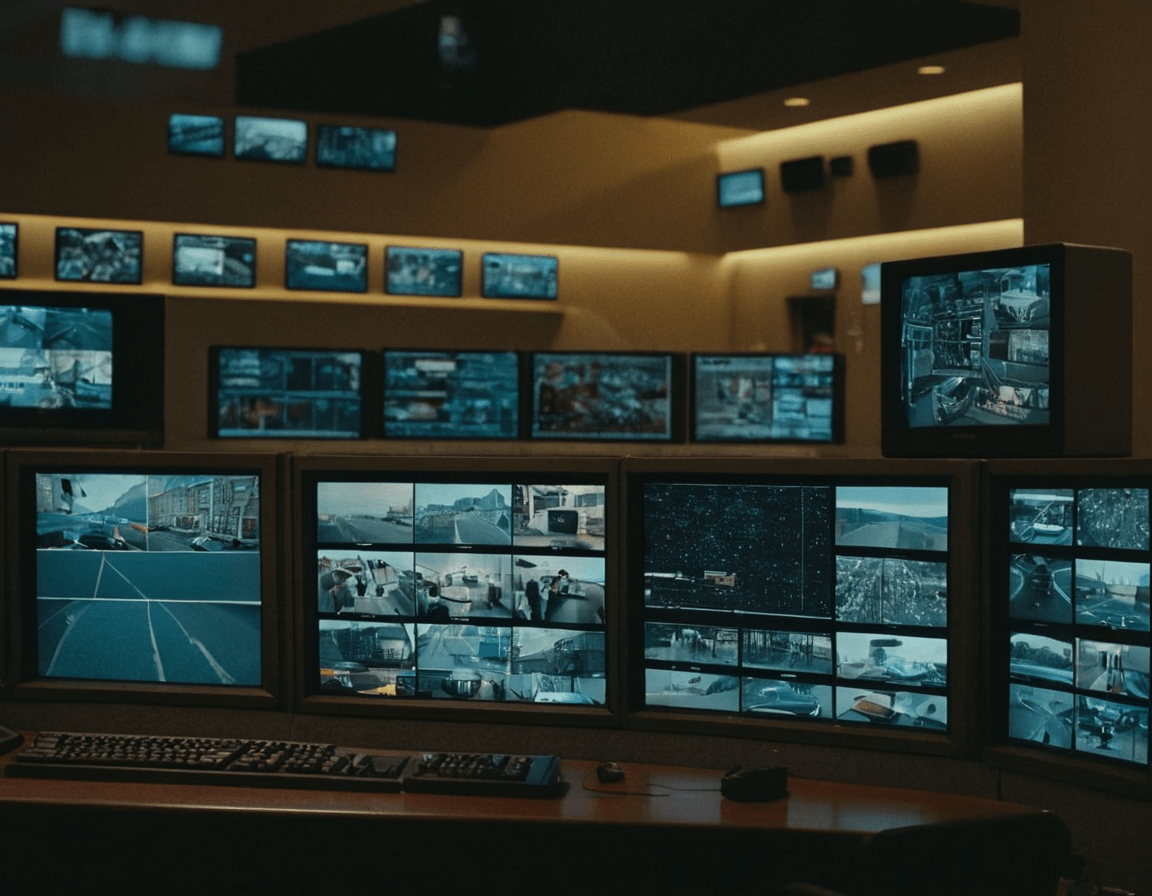
Security and Surveillance: Drones are used by law enforcement and security agencies to monitor public events, patrol borders, and conduct search and rescue operations.
Environmental Research: Drones help researchers monitor the environment, study wildlife, map forests, and detect climate changes, providing valuable data without disturbing ecosystems.
Benefits of Drones
Accessibility and Versatility: Drones can access dangerous or inaccessible places for humans, making them ideal tools for a wide range of applications.
Efficiency and Cost Reduction: Using drones can significantly reduce operational costs and improve efficiency in sectors such as agriculture, industrial inspection, and logistics.
Safety: Drones can perform dangerous tasks without risking human lives, such as inspecting structures at great heights or intervening in emergency situations.
High-Quality Data Collection: Thanks to advanced sensors, drones can collect detailed and precise data in real-time, improving the quality of information available for decision-making.
Challenges and Limitations of Drones
Regulation and Normatives: The use of drones is subject to strict regulations in many countries, which can limit operations and require special permits.
Security and Privacy: The use of drones raises concerns about air safety and personal privacy, requiring adequate security measures and compliance with privacy regulations.
Battery Life: Limited battery life can be an obstacle for long-duration operations, requiring frequent recharges or battery changes.
Interference and Weather Conditions: Drones can be vulnerable to electromagnetic interference and adverse weather conditions, which can affect their performance and safety.
Conclusion
Drones represent a revolutionary technology with the potential to transform many sectors and improve our ability to collect data, make deliveries, and monitor the environment. Despite challenges related to regulation, safety, and battery life, the benefits offered by drones in terms of accessibility, efficiency, and safety are significant. With the continued development of technologies and the adoption of appropriate regulations, drones will continue to evolve and find new applications, opening up new opportunities for innovation and progress.