3D Printing: Revolutionizing Production and Creativity
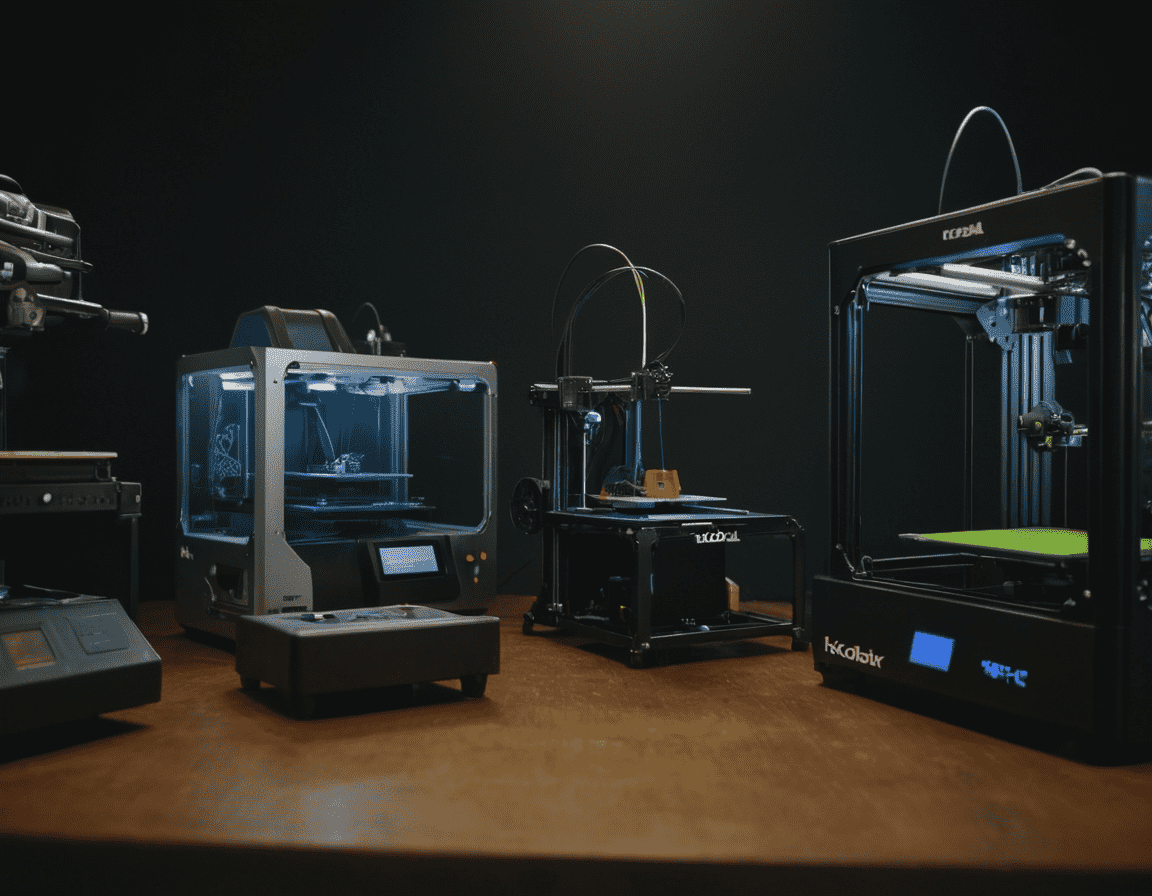
3D printing, also known as additive manufacturing, is an innovative technology that is transforming the way we produce and create objects. This technology allows for the creation of three-dimensional objects by adding material layer by layer, based on a digital model. 3D printing has found applications in numerous sectors, from medicine to industry, from design to art, offering new opportunities and radically changing traditional production processes. In this article, we will explore the principles of 3D printing, its applications, benefits, and the challenges it presents.
Principles of 3D Printing
3D printing begins with the creation of a digital model using computer-aided design (CAD) software. Once the model is completed, the digital file is sent to a 3D printer. There are several 3D printing technologies, but they all share the principle of building objects by adding material layer by layer. The main 3D printing technologies include:
Stereolithography (SLA): Uses a photopolymerizable liquid resin that is solidified layer by layer with a UV laser.
Fused Deposition Modeling (FDM): Uses plastic filaments that are melted and deposited layer by layer to create the object.
Selective Laser Sintering (SLS): Uses a laser to sinter powders of materials such as plastic, metal, or ceramic, forming solid layers.
Direct Energy Deposition (DED): Mainly used for metals, this technology deposits powder or wire material directly into the build area, where it is melted by an energy source such as a laser or an arc.
Applications of 3D Printing
3D printing has a wide range of applications in different sectors:
Medicine: 3D printing is used to create custom prosthetics, orthopedic implants, anatomical models for surgical planning, and bespoke medical devices. A significant example is the production of artificial organs and tissues for transplants and research.
Industry: 3D printing is employed for rapid prototyping, the production of custom components, and the creation of complex parts that would be difficult to obtain with traditional methods. Sectors like automotive and aerospace use 3D printing to reduce costs and improve efficiency.
Design and Fashion: Designers use 3D printing to create unique jewelry, clothing, and accessories. The ability to produce complex and customized shapes has opened new creative possibilities.
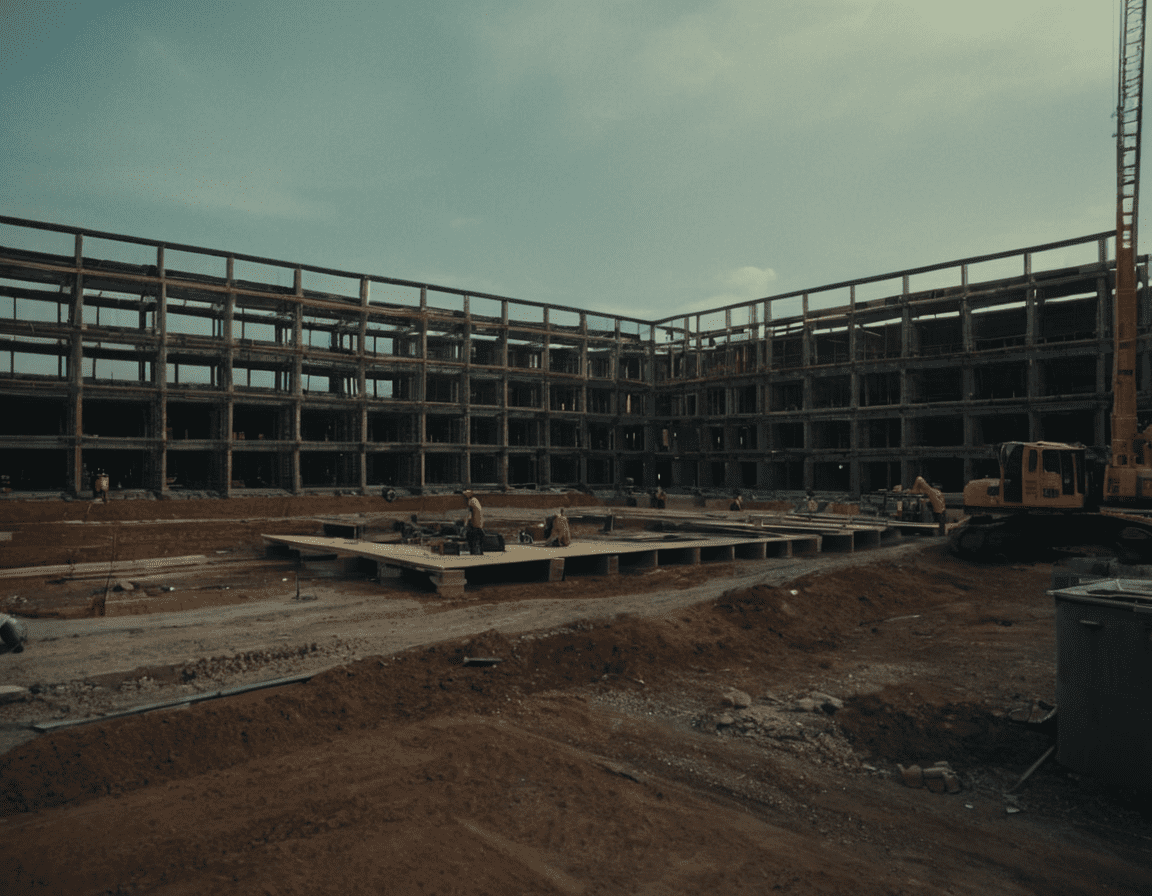
Architecture and Construction: 3D printing is used to create detailed architectural models and, in some cases, to construct entire buildings. This technology can reduce construction times and costs, as well as enable the creation of innovative structures.
Education: Schools and universities use 3D printing to teach concepts in engineering, design, and sciences, giving students the opportunity to turn their ideas into tangible objects.
Benefits of 3D Printing
Customization: 3D printing allows for the creation of custom objects tailored to the specific needs of the user. This is particularly useful in the medical field and in the design of personalized products.
Cost and Time Reduction: Rapid prototyping and on-demand production can significantly reduce the costs and time involved in product development.
Innovation: 3D printing enables the realization of complex and innovative geometries that would be impossible to achieve with traditional techniques.
Sustainability: Additive manufacturing can reduce material waste by using only the amount needed to create the object. Additionally, the ability to produce locally can decrease transportation emissions.
Challenges of 3D Printing
Equipment and Material Costs: Advanced 3D printers and high-quality materials can be expensive, representing a barrier to large-scale adoption.
Material Limitations: Not all materials can be used in 3D printing, and some printed materials may not have the same mechanical properties as traditional materials.
Quality and Precision: The quality and precision of printed objects can vary depending on the technology used and the printing parameters.
Regulation and Standards: In some sectors, such as medical and aerospace, regulations regarding the safety and quality of 3D-printed products are still being developed.
Conclusion
3D printing is revolutionizing the way we produce and create, offering unprecedented opportunities in numerous sectors. Despite the challenges, the benefits of 3D printing are significant and promise to continue growing as the technology advances. The ability to customize, innovate, and reduce costs makes 3D printing a fundamental technology for the future of production and design. With further developments and increased accessibility, 3D printing has the potential to radically transform industries and improve our daily lives.