Molecular Cuisine
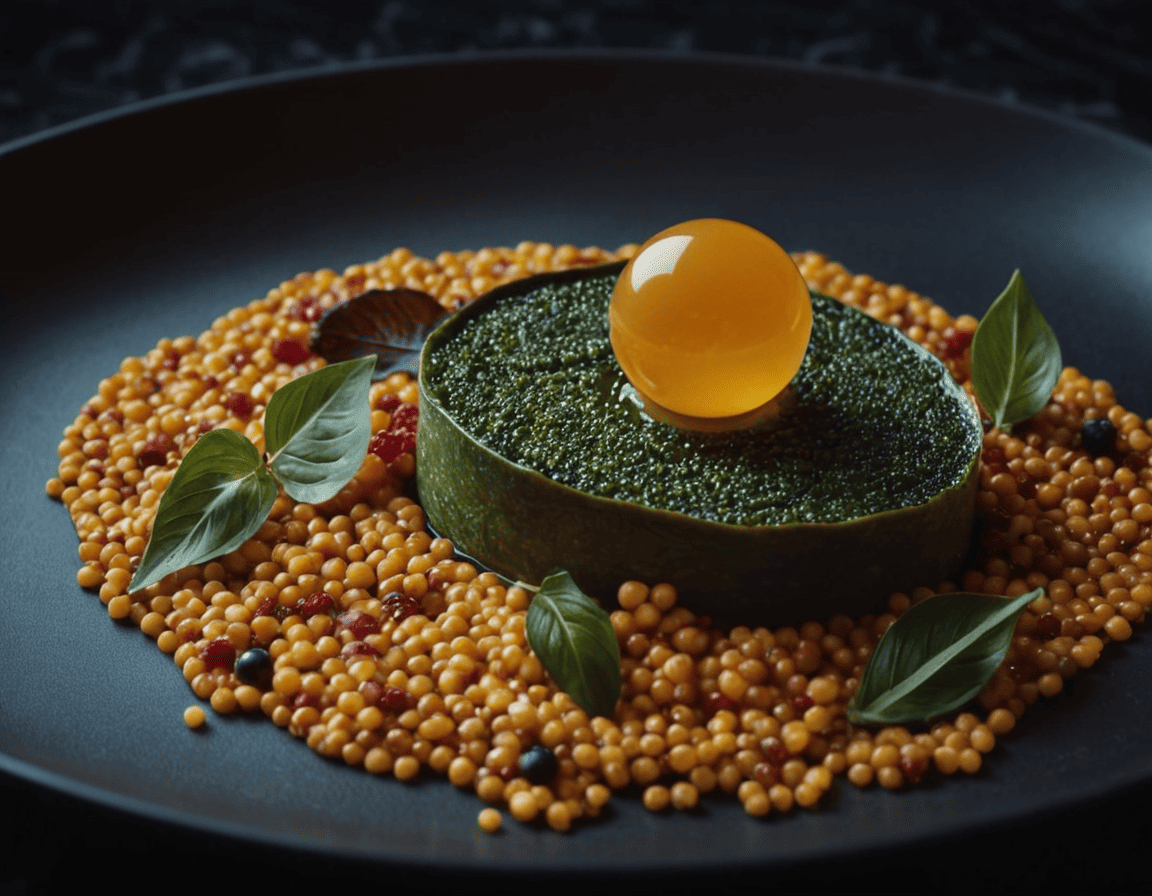
Molecular cuisine is an innovative approach to food preparation that combines culinary science with chemistry and physics. This technique explores the physical and chemical transformations of ingredients during cooking, allowing for the creation of surprising and innovative dishes both in presentation and flavor.
Principles of Molecular Cuisine
Spherification:
Description: A technique that transforms liquids into spheres that burst in the mouth, similar to caviar.
Example: Fruit juice spheres, soy sauce pearls.
Gelification:
Description: Using gelling agents to create gels and solid structures from liquids.
Example: Balsamic vinegar gel, fruit gelatin cubes.
Emulsification:
Description: Creating stable emulsions from two immiscible liquids, such as oil and water.
Example: Foams and froths, like citrus foam or chocolate foam.
Using Liquid Nitrogen:
Description: Using liquid nitrogen to rapidly freeze ingredients, creating unique textures.
Example: Instant ice cream, crispy frozen fruit.
Dehydration:
Description: Removing water from ingredients to create crunchy textures and intensify flavors.
Example: Fruit powder, vegetable chips.
Sous-Vide:
Description: Slow cooking of food in a water bath at a controlled temperature, sealed in vacuum bags.
Example: Low-temperature cooked meat, sous-vide vegetables.
Tools Used in Molecular Cuisine
Foam Siphon:
Used to create light and airy foams and froths.
Liquid Nitrogen:
Used to rapidly freeze and create unique textures.
Syringes and Pipettes:
Used to measure and dispense liquids and gelling agents with precision.
Thermostatic Baths (Roner):
Used for sous-vide cooking, maintaining precise and constant temperatures.
Dehydrators:
Used to dehydrate ingredients and create powders and crunchy chips.
Molecular Cuisine Recipes
Fruit Juice Pearls:
Ingredients: Fruit juice, sodium alginate, calcium chloride.
Procedure:
Mix the fruit juice with sodium alginate.
Prepare a calcium chloride solution in water.
Use a syringe to drop the juice into the calcium chloride solution, forming pearls.
Chocolate Foam:
Ingredients: Dark chocolate, cream, soy lecithin.
Procedure:
Melt the chocolate in the hot cream.
Add the soy lecithin and mix well.
Pour the mixture into a foam siphon and charge with a gas cartridge. Spray the foam onto a plate.
Instant Ice Cream with Liquid Nitrogen:
Ingredients: Ice cream mixture (milk, cream, sugar, vanilla), liquid nitrogen.
Procedure:
Mix the ingredients for the ice cream.
Slowly pour the mixture into a bowl of liquid nitrogen, stirring constantly until the desired consistency is reached.
Benefits and Considerations
Innovation and Creativity: Molecular cuisine offers endless creative possibilities for experimenting with new flavors and textures.
Precision: It requires precision and attention to detail, necessitating a good understanding of the chemical and physical reactions of ingredients.
Specialized Equipment: The use of specialized equipment can represent a significant investment.
Molecular cuisine may seem complex, but with practice and passion, it can transform the way food is prepared and experienced, taking your culinary creations to a new level of innovation and sophistication. Have fun in the kitchen!