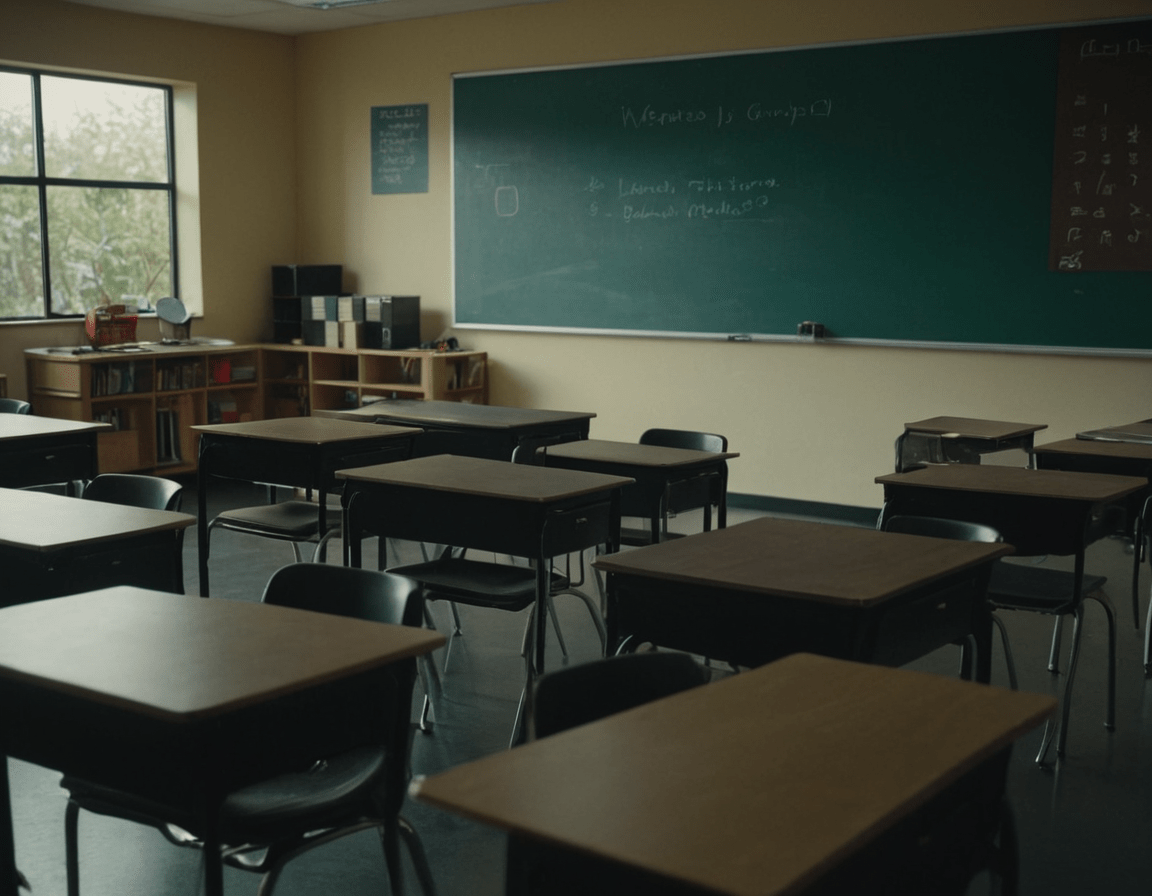
Exploring Educational Methods: Nurturing Tomorrow's Minds
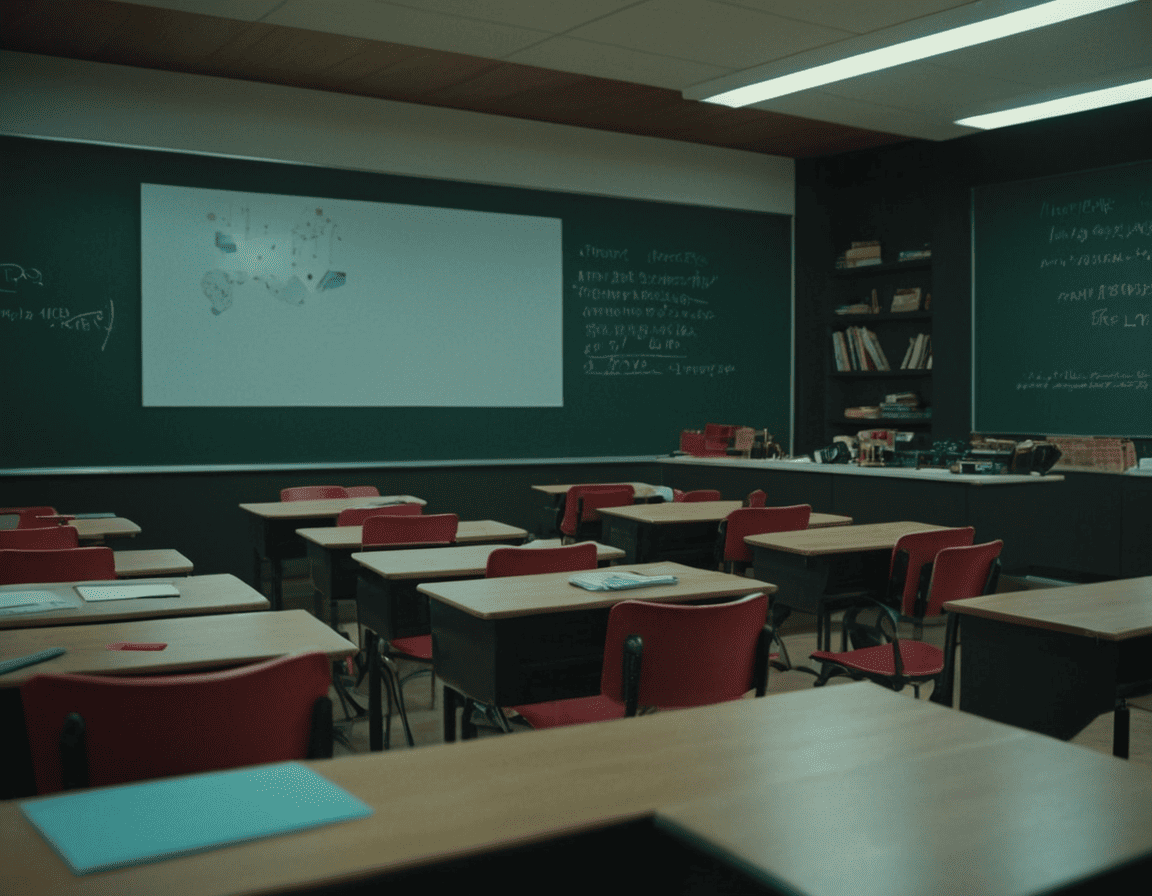
Education is the cornerstone of society, shaping the minds and futures of individuals and communities alike. In the pursuit of knowledge, educators employ a variety of methods and strategies to engage learners, foster critical thinking, and cultivate lifelong skills. In this article, we'll delve into the diverse world of educational methods, exploring different approaches, their benefits, and the impact they have on learning outcomes.
Traditional Methods: Building a Foundation
Traditional educational methods, such as lectures, textbooks, and rote memorization, have long been the bedrock of formal education. These methods provide a structured approach to learning, offering students a foundation of knowledge and skills in various subjects. While traditional methods emphasize content mastery and academic rigor, they may sometimes lack opportunities for hands-on learning and student engagement.
Experiential Learning: Learning by Doing
Experiential learning methods immerse students in real-world experiences, allowing them to learn through active participation, reflection, and problem-solving. Activities such as experiments, projects, internships, and simulations enable students to apply theoretical concepts to practical situations, fostering deeper understanding and retention of knowledge. Experiential learning encourages critical thinking, creativity, and collaboration, preparing students for success in an ever-changing world.
Technology-Enhanced Learning: Harnessing the Power of Technology
In today's digital age, technology has revolutionized education, opening up new possibilities for interactive and personalized learning experiences. Technology-enhanced learning methods leverage digital tools, multimedia resources, and online platforms to deliver content, facilitate communication, and assess learning outcomes. Virtual classrooms, educational apps, gamified learning platforms, and adaptive learning systems cater to diverse learning styles and preferences, promoting engagement and motivation among students.
Inquiry-Based Learning: Nurturing Curiosity and Inquiry
Inquiry-based learning empowers students to explore topics of interest, ask questions, and seek answers through investigation and discovery. Guided by inquiry, students engage in research, experimentation, and analysis, developing critical thinking skills and a deeper understanding of complex concepts. Inquiry-based learning encourages curiosity, independence, and lifelong learning habits, fostering a spirit of exploration and intellectual curiosity.
Collaborative Learning: Learning Together
Collaborative learning methods promote interaction and cooperation among students, encouraging them to work together towards common goals. Group discussions, cooperative projects, peer teaching, and problem-solving activities provide opportunities for students to share ideas, exchange perspectives, and learn from one another. Collaborative learning fosters communication skills, teamwork, and empathy, preparing students for success in diverse social and professional contexts.
Culturally Responsive Teaching: Honoring Diversity and Inclusion
Culturally responsive teaching methods recognize and value the diverse backgrounds, experiences, and perspectives of students, creating inclusive and supportive learning environments. Teachers incorporate culturally relevant content, teaching strategies, and instructional materials that reflect the identities and lived realities of their students. Culturally responsive teaching promotes equity, empathy, and respect for cultural diversity, empowering all students to succeed academically and personally.
In conclusion, educational methods play a pivotal role in shaping the learning experiences and outcomes of students. By embracing a diverse range of methods, educators can cater to the unique needs, interests, and strengths of learners, fostering engagement, curiosity, and lifelong learning. Whether through traditional approaches, experiential learning, technology integration, inquiry-based methods, collaborative activities, or culturally responsive practices, educators have the power to inspire and empower the minds of tomorrow.