Fitness and Proteins: Understanding the Relationship
Fitness enthusiasts often emphasize the importance of protein in their diets, and for good reason. Proteins play a crucial role in supporting muscle growth, repair, and overall health. Understanding how protein and fitness are interconnected can help individuals make informed decisions about their nutrition and training regimen.
The Role of Protein in Fitness:
Proteins are essential macronutrients composed of amino acids, which are the building blocks of muscle tissue. When you engage in fitness activities such as strength training, endurance exercises, or any form of physical activity, your muscles undergo stress and micro-tears. Protein is then utilized by the body to repair and rebuild these damaged muscles, leading to muscle growth and strength gains.
Benefits of Protein in Fitness:
Muscle Growth: Adequate protein intake is crucial for stimulating muscle protein synthesis, the process by which new muscle tissue is formed. This is essential for increasing muscle size, strength, and definition.
Muscle Repair: Protein plays a key role in repairing muscle damage caused by exercise. Consuming protein-rich foods or supplements post-workout helps accelerate the recovery process, reducing muscle soreness and promoting faster muscle repair.
Weight Management: Proteins are known for their ability to promote satiety and increase feelings of fullness. Including protein in your diet can help control appetite and cravings, making it easier to manage weight and body composition.
Enhanced Performance: Protein intake has been shown to improve exercise performance and recovery. Athletes and fitness enthusiasts often experience better endurance, strength, and overall athletic performance when they consume adequate amounts of protein.
Sources of Protein:
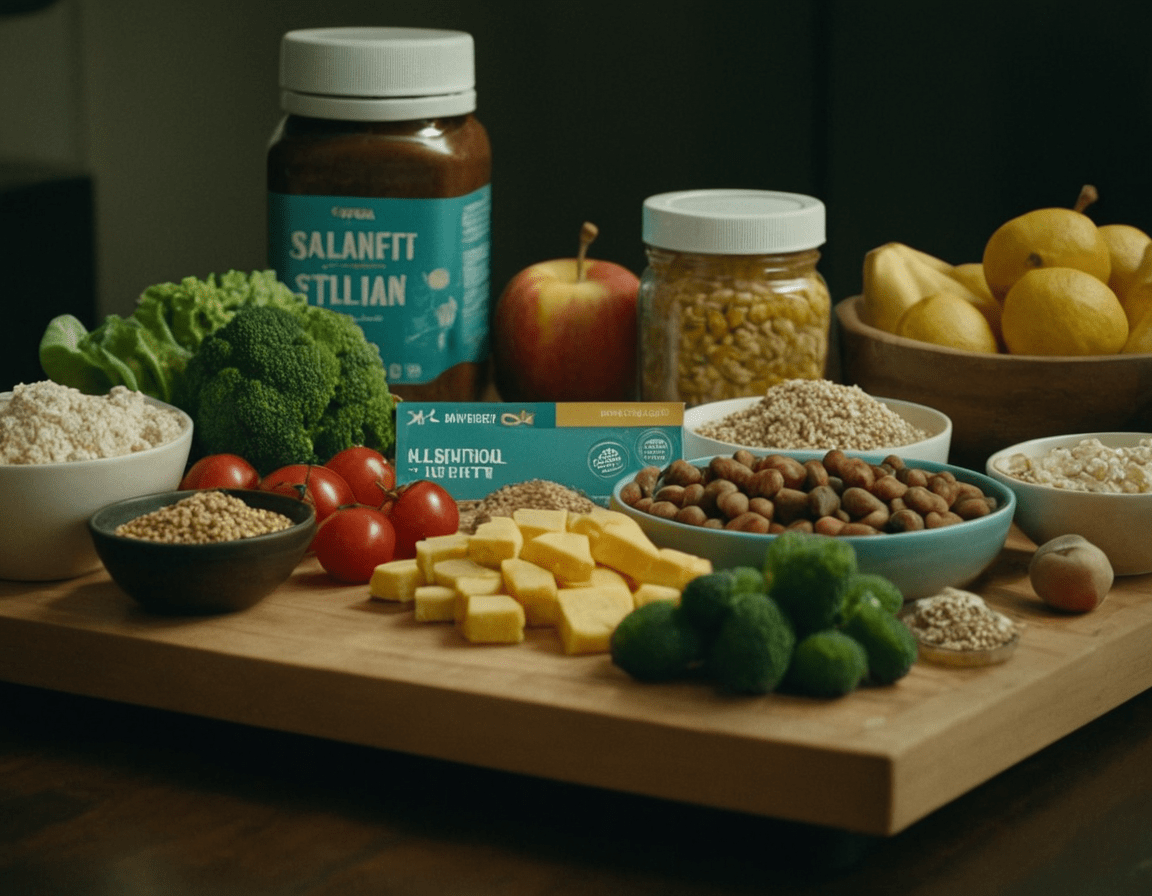
Protein can be found in a variety of foods, both animal-based and plant-based. Some common sources of protein include:
Lean meats such as chicken, turkey, and beef
Fish and seafood
Eggs
Dairy products like milk, yogurt, and cheese
Legumes such as beans, lentils, and chickpeas
Nuts, seeds, and nut butters
Tofu, tempeh, and other soy products
Protein Supplements:
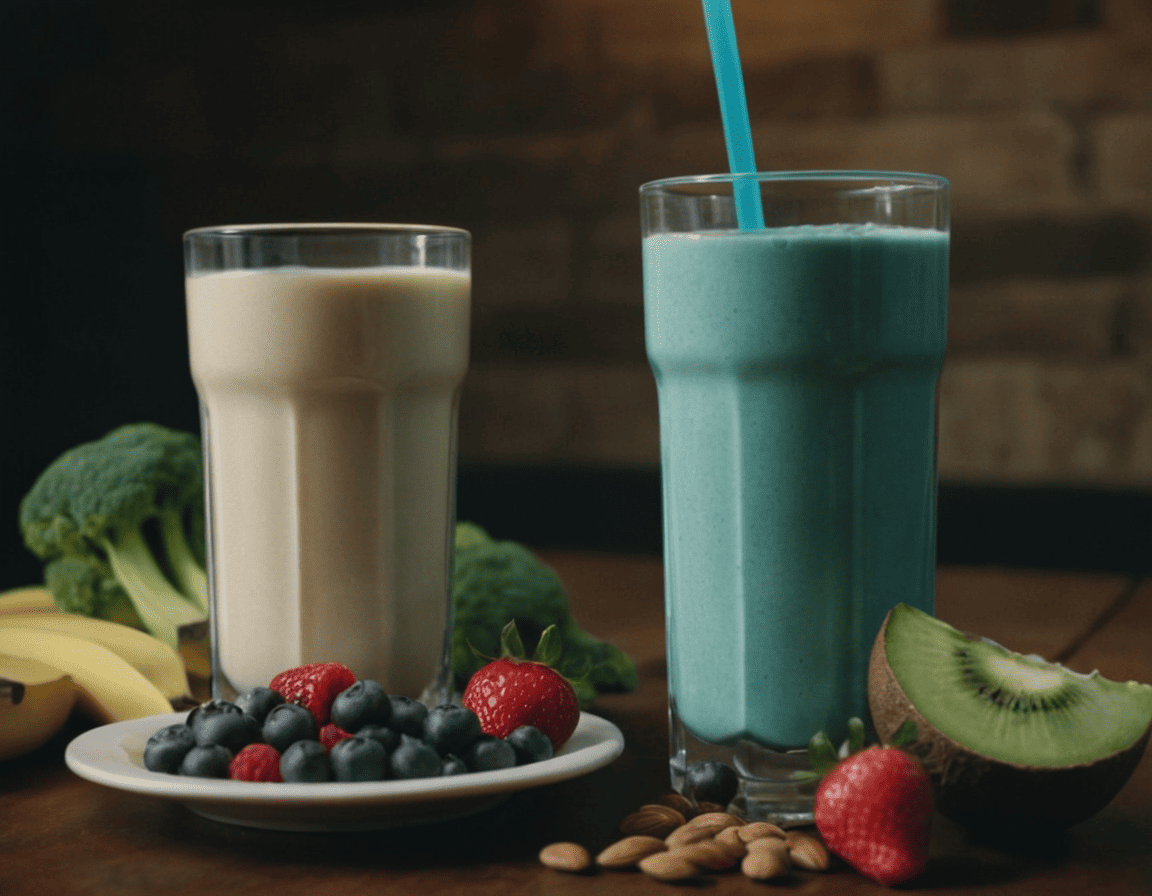
In addition to whole food sources, protein supplements such as whey protein, casein protein, and plant-based protein powders are popular among fitness enthusiasts. These supplements provide a convenient and efficient way to increase protein intake, especially for those with higher protein requirements or dietary restrictions.
Conclusion:
Proteins play a vital role in supporting muscle growth, repair, and overall fitness. Whether you're a professional athlete or a casual gym-goer, ensuring an adequate intake of protein is essential for optimizing performance, recovery, and achieving fitness goals. By incorporating protein-rich foods into your diet and considering protein supplements when needed, you can fuel your body effectively and maximize your fitness potential. Remember to consult with a healthcare professional or registered dietitian to determine your individual protein needs and develop a nutrition plan tailored to your fitness goals.