Pilates: A Comprehensive Guide to Strength, Flexibility, and Mind-Body Harmony
Pilates is a popular form of exercise that has gained widespread recognition for its ability to improve strength, flexibility, and overall well-being. Developed by Joseph Pilates in the early 20th century, this system of exercises emphasizes core strength, proper alignment, and mind-body connection. In this comprehensive guide, we'll explore the principles, benefits, and techniques of Pilates to help you understand its impact on physical and mental health.
The Principles of Pilates:
Pilates is based on six core principles that guide its practice:
Control: Pilates exercises are performed with precise control and fluidity of movement, focusing on quality over quantity.
Centering: The concept of centering involves engaging the body's powerhouse, or core muscles, to initiate and support movement from the center outwards.
Concentration: Pilates requires focused attention and concentration to perform movements with awareness and precision.
Precision: Each Pilates exercise is performed with attention to detail and proper alignment to achieve optimal results.
Breath: Proper breathing is integral to Pilates, with inhalation and exhalation coordinated with movement to enhance efficiency and relaxation.
Flow: Pilates exercises are designed to flow smoothly from one to the next, promoting fluidity, grace, and continuity of movement.
The Benefits of Pilates:
Pilates offers a wide range of benefits for both the body and mind:
Improved Core Strength: Pilates targets the deep stabilizing muscles of the core, including the abdominals, back, and pelvic floor, resulting in greater core strength and stability.
Increased Flexibility: Through controlled stretching and lengthening exercises, Pilates helps improve flexibility and range of motion in muscles and joints.
Enhanced Posture: Pilates focuses on proper alignment and body awareness, leading to improved posture and alignment, reducing the risk of injury and relieving tension in the body.
Muscle Tone and Definition: Pilates exercises target multiple muscle groups simultaneously, leading to increased muscle tone, definition, and overall strength.
Injury Prevention: By strengthening and stabilizing the core muscles and improving alignment and posture, Pilates helps reduce the risk of injuries and enhances overall physical resilience.
Stress Reduction: Pilates encourages mindfulness, deep breathing, and relaxation, promoting mental clarity, stress reduction, and emotional well-being.
Pilates Techniques and Exercises:
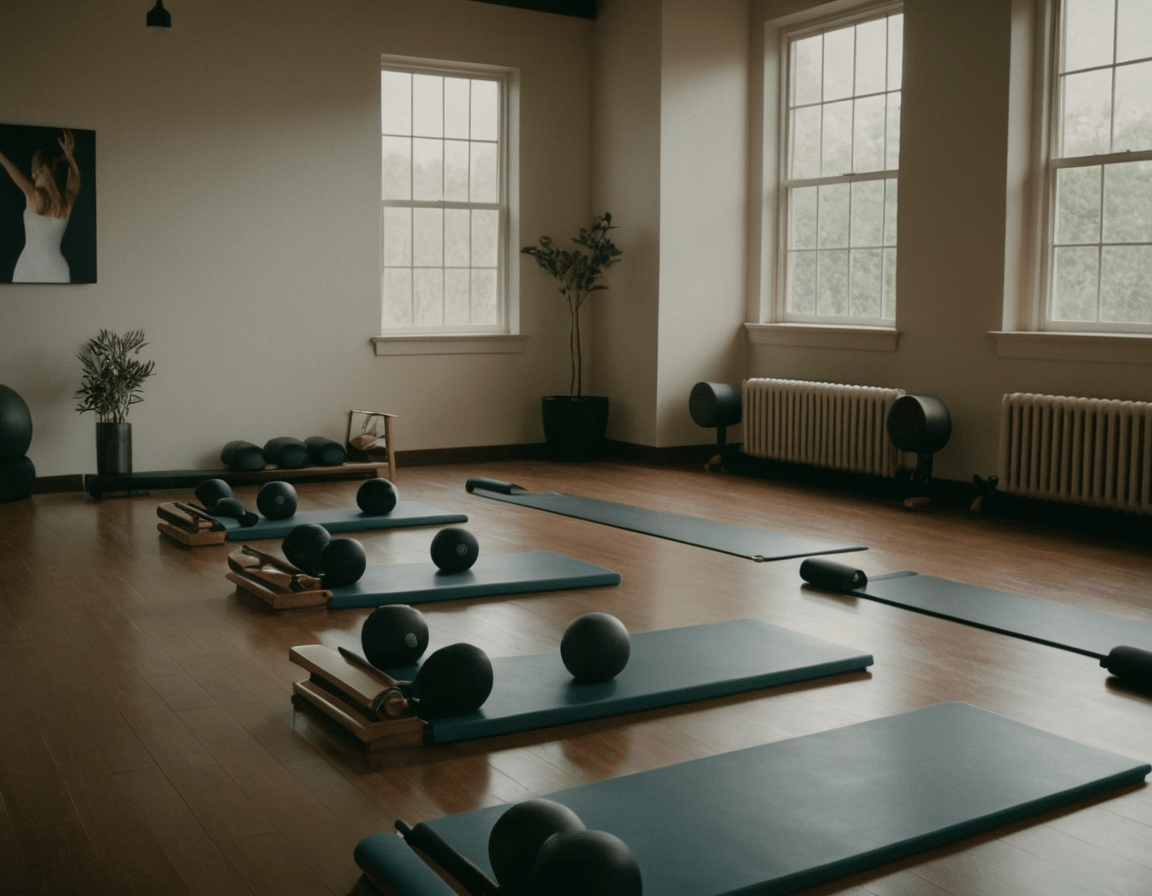
Pilates exercises can be performed on a mat or using specialized equipment such as the reformer, Cadillac, and chair. Some common Pilates exercises include:
The Hundred: A classic Pilates exercise that targets the core muscles while improving circulation and breathing control.
The Roll-Up: Strengthens the abdominals and spine while promoting flexibility in the back and hamstrings.
The Swan Dive: Strengthens the back muscles and improves spinal mobility and extension.
The Side Plank: Targets the obliques, shoulders, and stabilizing muscles of the core for improved strength and stability.
Getting Started with Pilates:
Whether you're a beginner or an experienced practitioner, Pilates can be adapted to suit your individual needs and fitness level. You can take classes at a Pilates studio, gym, or community center, or follow online tutorials and videos from the comfort of your home. Remember to start slowly, listen to your body, and focus on proper form and technique to maximize the benefits of Pilates while minimizing the risk of injury.
In conclusion, Pilates offers a holistic approach to fitness and well-being, combining strength, flexibility, and mindfulness to promote physical and mental harmony. By incorporating Pilates into your regular exercise routine, you can experience improved posture, core strength, muscle tone, and overall vitality, helping you live a healthier, happier life.