Improving Flexibility in Fitness: A Comprehensive Guide
Flexibility is a fundamental aspect of fitness that is often overlooked. While strength and endurance are important, having good flexibility can enhance the quality of your workouts, prevent injuries, and promote overall body wellness. In this article, we will explore the importance of flexibility in the context of fitness and provide practical tips on how to improve it.
Why Flexibility is Important in Fitness?
Flexibility refers to the ability of muscles and joints to move freely through a full range of motion. Good flexibility allows for exercises to be performed with greater ease and effectiveness, reducing the risk of muscle and joint injuries. Additionally, proper flexibility promotes maintaining correct posture and may alleviate muscle tension and chronic pains.
How to Improve Flexibility
Stretching Exercises: The most common method to improve flexibility is through stretching exercises. Focus on specific muscle groups, such as quadriceps, hamstrings, back muscles, and shoulders. Ensure to perform the exercises correctly, maintaining regular breathing and avoiding overstretching the muscles.
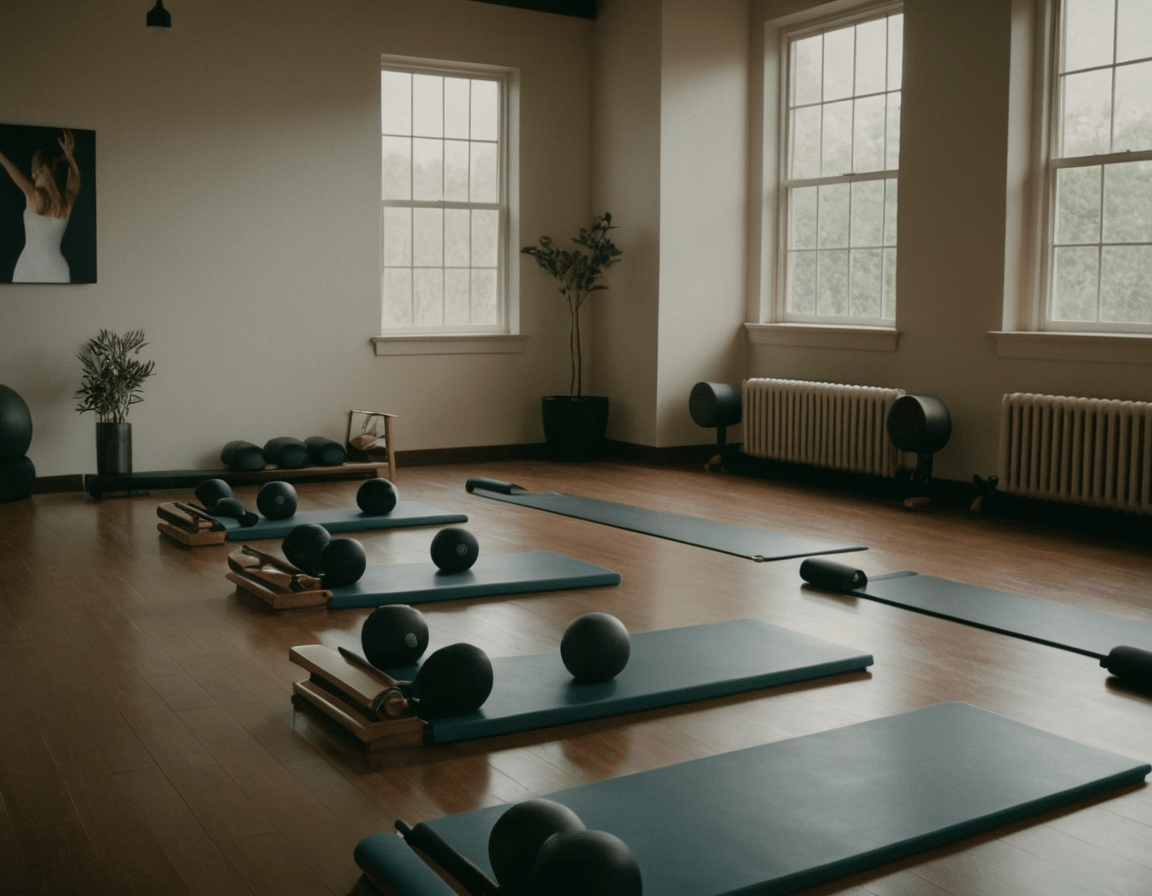
Yoga and Pilates: Both are excellent ways to enhance flexibility, in addition to offering numerous other benefits for the body and mind. Yoga poses and Pilates exercises encourage muscle relaxation and stretching, improving flexibility and joint mobility.
Foam Rolling: The foam roller is a self-massage technique that can help release muscle tension and improve flexibility. Use a foam roller to massage the muscles after a workout or during a stretching session to promote relaxation and tension release.
Maintain Consistency: The key to improving flexibility is consistency. Dedicate time every day or at least several times a week to perform stretching exercises and work on your flexibility. Over time, you will notice significant improvements in your range of motion and your ability to perform exercises with greater ease.
Benefits of Flexibility in Fitness
Injury Prevention: Good flexibility can reduce the risk of muscle and joint injuries during physical activity, allowing the body to better adapt to movements and demands.
Enhanced Performance: Being more flexible can improve performance in exercises and sports, enabling wider and more efficient movements.
Better Recovery: Flexibility can facilitate muscle recovery after exercise, reducing stiffness and post-exercise muscle soreness.
Overall Wellbeing: Working on flexibility can promote overall body and mind wellness, reducing stress and improving muscle relaxation.
In conclusion, flexibility is an essential component of fitness that should be integrated into every workout program. Through regular stretching exercises, practices like yoga and Pilates, and the use of tools like the foam roller, it is possible to improve flexibility and enjoy a range of health and physical performance benefits. Investing time and energy into improving your flexibility can lead to a better quality of life and a more rewarding and safer fitness practice.