Cultural Destinations in Italy: A Journey Through History and Art
Introduction
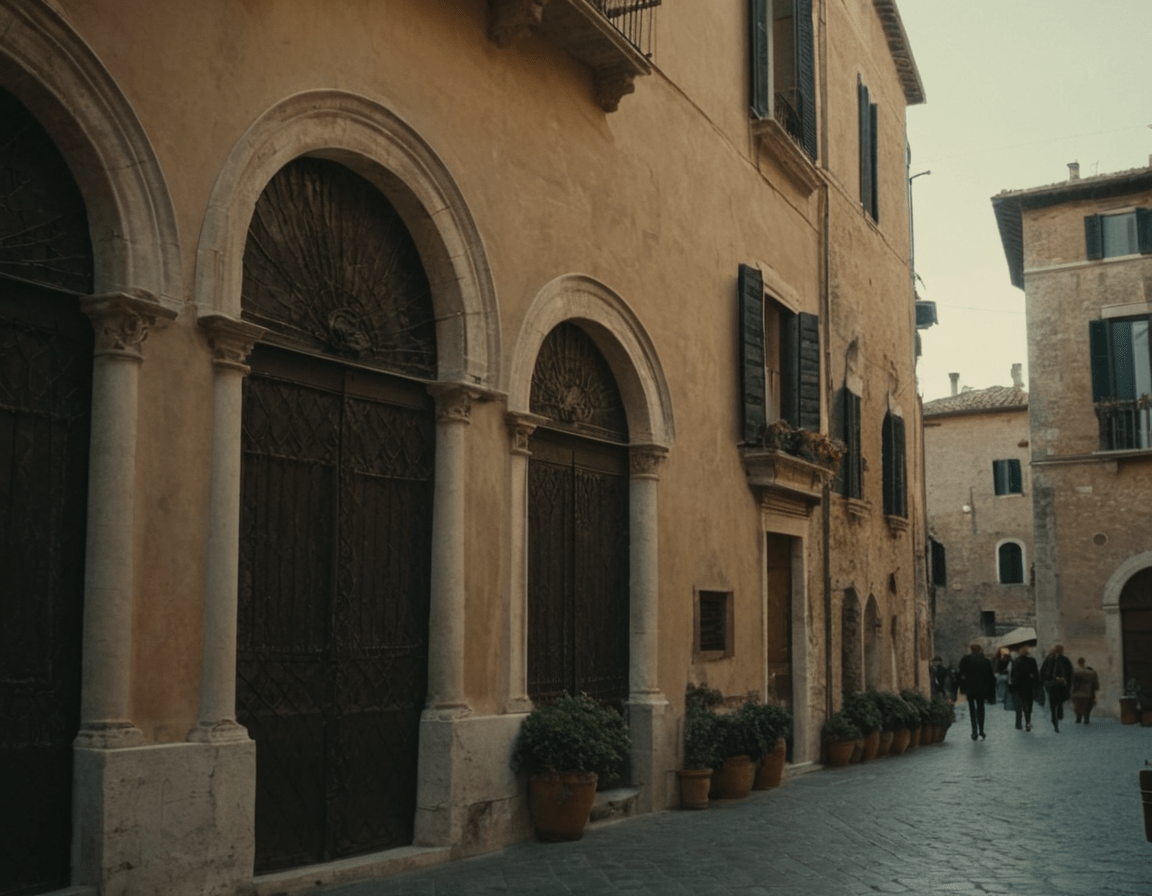
Italy is one of the richest and most fascinating cultural destinations in the world. With a millennia-long history, invaluable artistic heritage, and a variety of regional traditions, the Bel Paese offers endless opportunities for those wishing to explore its cultural wonders. This article guides readers through some of the most significant cultural destinations in Italy, from historic cities to small villages, from museums to archaeological sites.
Rome
Colosseum:
Description: The Colosseum, a symbol of Rome, is the largest amphitheater ever built in antiquity. Constructed in the 1st century AD, it was the venue for gladiatorial games and other public events.
Cultural Importance: Beyond its architectural grandeur, the Colosseum represents an important chapter of Roman history and provides insight into the life and traditions of ancient Rome.
Vatican Museums and Sistine Chapel:
Description: The Vatican Museums house one of the largest and most important art collections in the world, with works ranging from antiquity to the Renaissance. The Sistine Chapel, with its ceiling painted by Michelangelo, is one of the most celebrated masterpieces.
Cultural Importance: Visiting the Vatican Museums and the Sistine Chapel allows you to admire some of the most influential works of art in history and understand the evolution of Western art and culture.
Florence
Uffizi Gallery:
Description: The Uffizi Gallery is one of the most important museums in the world, with an extraordinary collection of Italian Renaissance works. Among the displayed artists are Leonardo da Vinci, Michelangelo, Botticelli, and Raphael.
Cultural Importance: The Uffizi offers a journey through the evolution of Renaissance art, a period that deeply marked the culture and history of humanity.
Cathedral of Santa Maria del Fiore:
Description: Also known as the Florence Duomo, this cathedral is famous for its dome designed by Filippo Brunelleschi. The interior and exterior of the cathedral are rich in artistic and architectural details.
Cultural Importance: The cathedral is an exceptional example of Gothic and Renaissance architecture and represents one of the most recognizable symbols of Florence.
Venice
St. Mark's Square and St. Mark's Basilica:
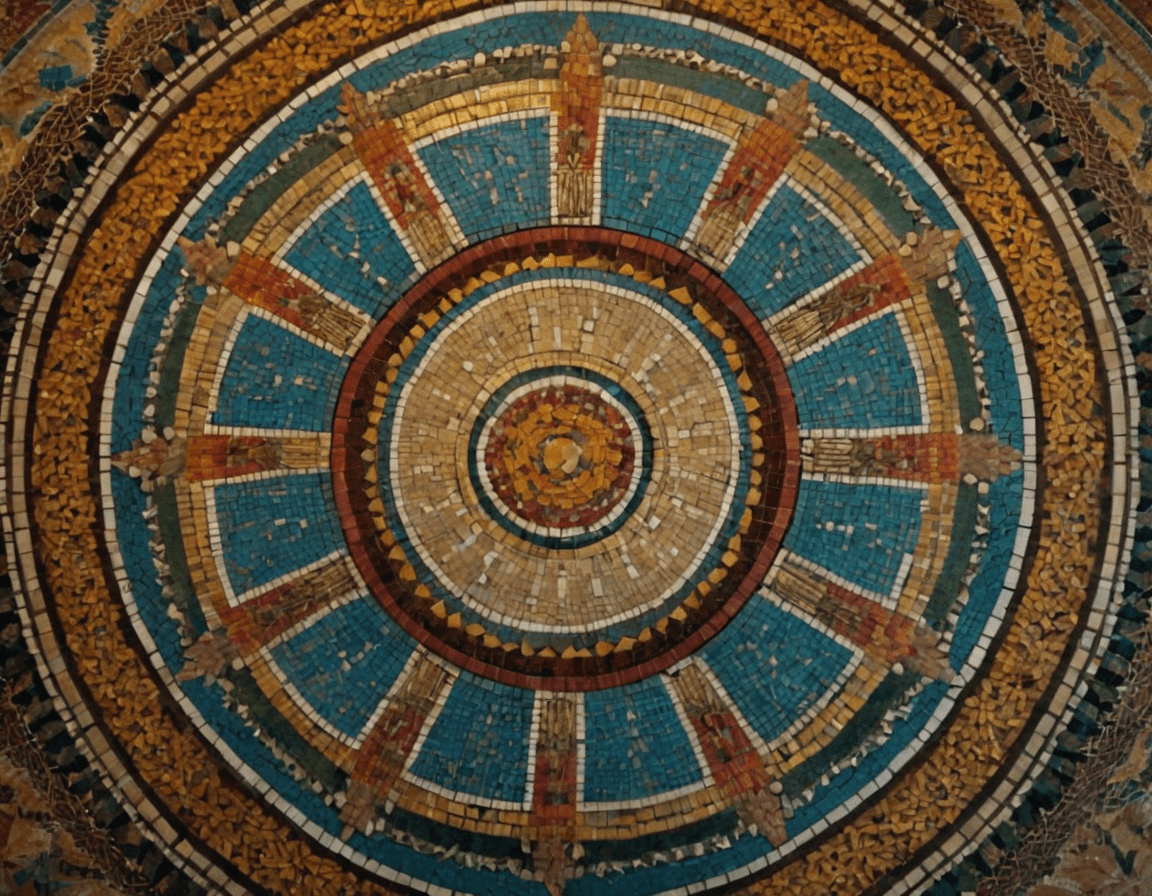
Description: St. Mark's Square is the heart of Venice and houses the splendid St. Mark's Basilica, with its golden mosaics and Byzantine architecture.
Cultural Importance: St. Mark's Basilica is a masterpiece of art and architecture that reflects Byzantine influence and the historical importance of Venice as a cultural crossroads.
Doge's Palace:
Description: This Gothic palace was the residence of the Doge of Venice and the center of political power of the Republic of Venice. Today it is a museum that tells the history of the city.
Cultural Importance: The Doge's Palace is a symbol of Venice's power and glory and offers a deep insight into the city's political and cultural history.
Naples
Pompeii Excavations:
Description: Pompeii is one of the most famous archaeological sites in the world, buried by the eruption of Mount Vesuvius in 79 AD. The excavations have uncovered a perfectly preserved Roman city.
Cultural Importance: Visiting Pompeii allows you to immerse yourself in the daily life of ancient Rome and gain a better understanding of the history and culture of that period.
National Archaeological Museum of Naples:
Description: This museum houses one of the richest collections of ancient art and artifacts, including many finds from the excavations of Pompeii and Herculaneum.
Cultural Importance: The museum offers a comprehensive overview of the art and culture of ancient Rome and Greece, with pieces of invaluable historical and artistic value.
Sicily
Valley of the Temples (Agrigento):
Description: The Valley of the Temples is one of the most impressive archaeological sites in the Mediterranean, with its well-preserved Doric temples dating back to the 5th century BC.
Cultural Importance: This site is a testament to the magnificence of ancient Greece and the central role of Sicily in the trade and cultural routes of antiquity.
Ancient Theater of Taormina:
Description: This Greco-Roman theater offers a spectacular view of the Ionian Sea and Mount Etna. It is still used today for performances and concerts.
Cultural Importance: The theater is an extraordinary example of ancient architecture and continues to be an important cultural center for Sicily.
Conclusion
Italy is a true treasure chest of cultural riches, where every city and region tells a unique story through its monuments, museums, and traditions. Exploring these cultural destinations not only enriches our knowledge of history and art but also connects us more deeply with the roots and identities that have shaped our world. A journey through Italy is a journey through time, an unforgettable experience that leaves a lasting impression on the heart and mind of those who undertake it.