Pampering with Taste - How to Feed Our Pets with Love
Pampering a pet isn’t just about petting and playing. It also means taking care of what goes into its bowl. Good, high-quality nutrition is the first daily act of love.
1. The Dog: The Food-Lover with a Loyal Heart
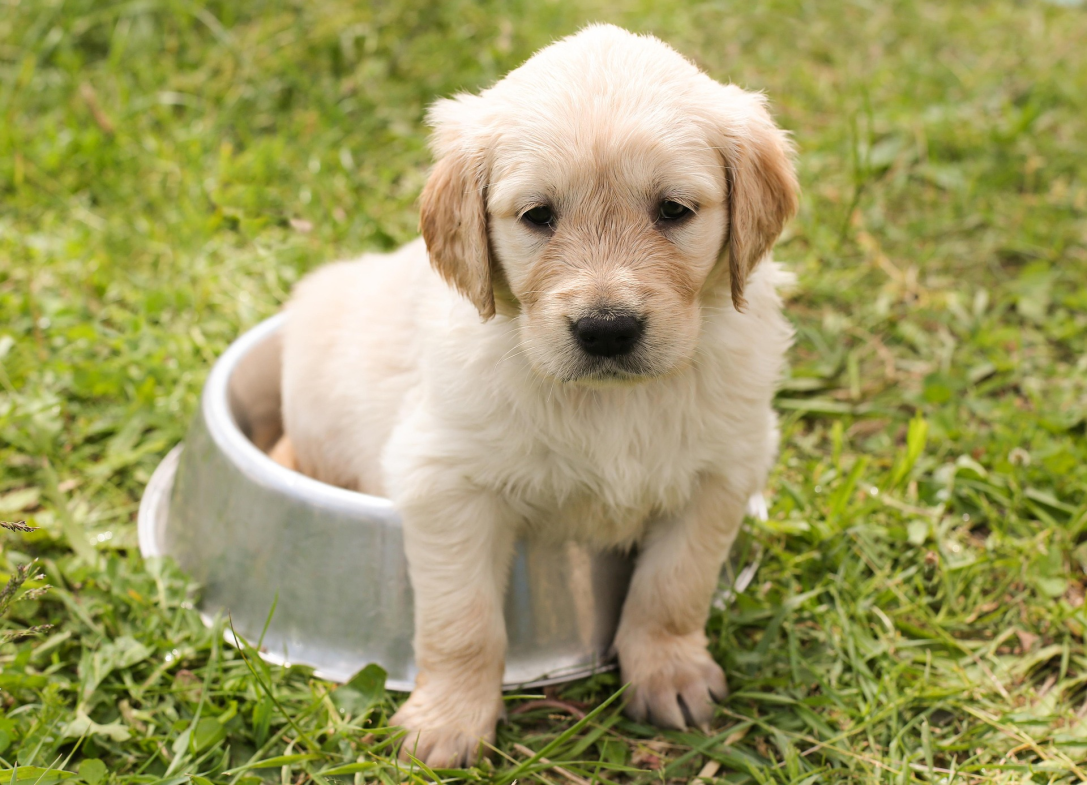
Dogs are omnivores, but they don’t eat like we do. They need a precise balance of animal protein, healthy fats, fiber, and complex carbohydrates.
Pampering them with food means:
• Choosing real protein as the first ingredient. Whether it’s chicken, turkey, beef, or fish, the meat should be the main ingredient, not some anonymous byproduct. Protein is essential for muscles, a shiny coat, and energy.
• Don’t forget fiber. A little steamed vegetables like zucchini, carrots, squash, or green beans aids digestion and promotes satiety without weighing them down. They’re like a small, healthy side dish.
• Good fats, in moderation. A teaspoon of fish oil or flaxseed oil can make their coat softer and shinier. It’s the beauty treat that comes from within.
• Always fresh water. It seems obvious, but it’s essential. A bowl that’s always clean and filled with fresh water encourages drinking and protects the kidneys.
What should you avoid to truly pamper your dog?
Leftovers from our table that are overly seasoned, salty, or contain onion and garlic. True pampering isn’t about giving your dog what we eat—it’s about preparing something specially made for him.
2. The Cat: The Elegant and Independent Gourmet
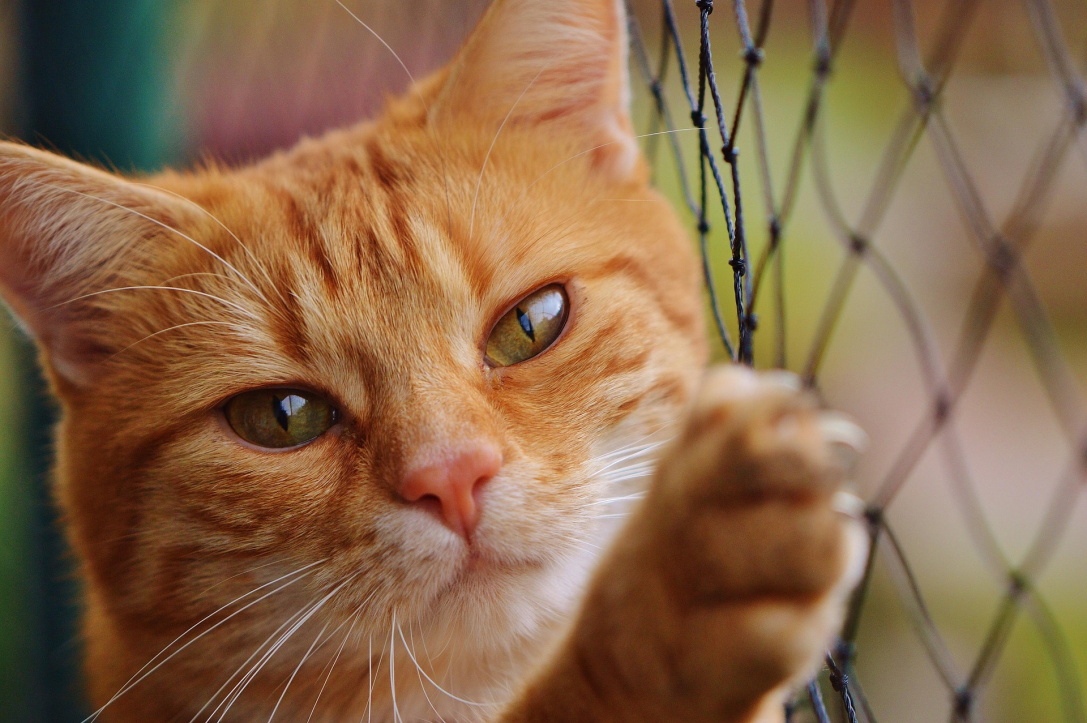
Cats are strict carnivores. Unlike dogs, they need much more animal protein and an essential amino acid called taurine, which is found only in meat.
To pamper a cat with high-quality food:
• Focus on texture and aroma. Cats are very sensitive to smell. High-quality wet food, with chunks of meat in jelly or soft pâté, is often more appealing and also helps maintain proper hydration, since many cats don’t drink much.
• Protein and no fuss. Good cat food has a short, easy-to-understand ingredient list. Less unnecessary grains and more meat.
• Routine is a treat. Cats love schedules. Feeding them at the same time every day, in a quiet, clean spot away from the litter box, makes them feel safe. It’s not an obsession—it’s well-being.
• Playtime before dinner. In the wild, cats hunt first, then eat. Letting your cat play for 10 minutes before a meal stimulates its appetite and makes mealtime even more rewarding.
3. Our Little Friends: Rabbits, Hamsters, and Birds
Although they’re often overlooked, even the smallest pets deserve the best.
• For rabbits: The foundation is never just feed. It’s high-quality hay, always available. Hay keeps their teeth and digestive system healthy. As an extra treat, offer a few fresh herbs like basil, parsley, and dandelion, along with a small piece of apple or carrot once or twice a week.
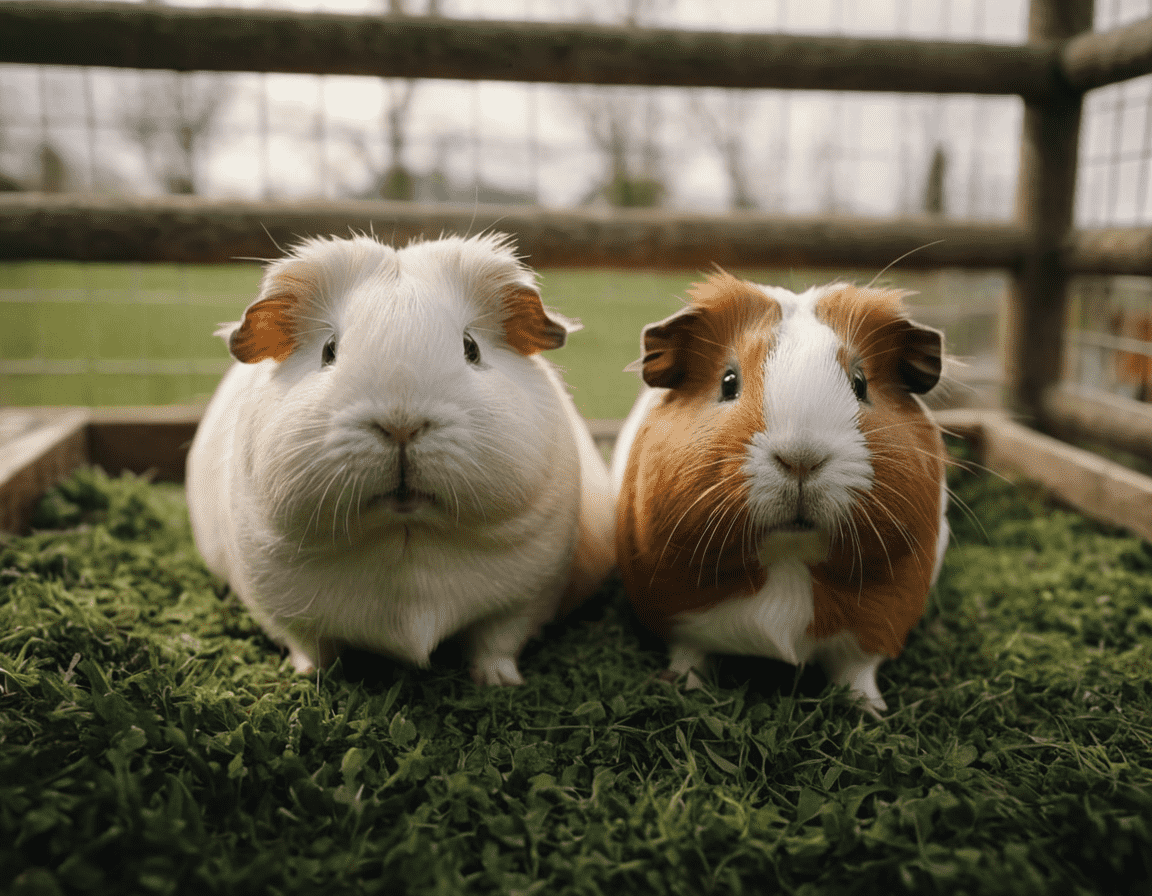
• For hamsters and guinea pigs: In addition to a good-quality seed mix, offer a small amount of fresh vegetables and fruit every day. For guinea pigs, vitamin C is essential and should be supplemented with bell peppers or fresh vegetables.
• For small birds: Clean, dust-free seeds, and always a cuttlebone for calcium. A special treat is a sprig of millet or a few pieces of fresh fruit and vegetables.
Three golden rules for pampering everyone with food
1. Quality, not quantity. The right portion—measured based on weight, age, and activity level—is better than an overflowing bowl. Being overweight is the number one enemy of pets.
2. Read the label as if it were for you. If you don’t understand the ingredient list, it’s probably not high-quality. Look for ingredients you recognize.
3. A clean bowl is love. Washing bowls every day prevents bacteria and makes the food more appetizing. No one would want to eat from a dirty plate.
After all, treating them to good food isn’t spoiling them. It’s a way of telling our pet: I see you, I care for you, and I want you to be happy and stay with me for a long time. And they, with a glance or a purr, thank us in the most beautiful way possible.