Vietnam: A Journey Through the Treasures of Indochina
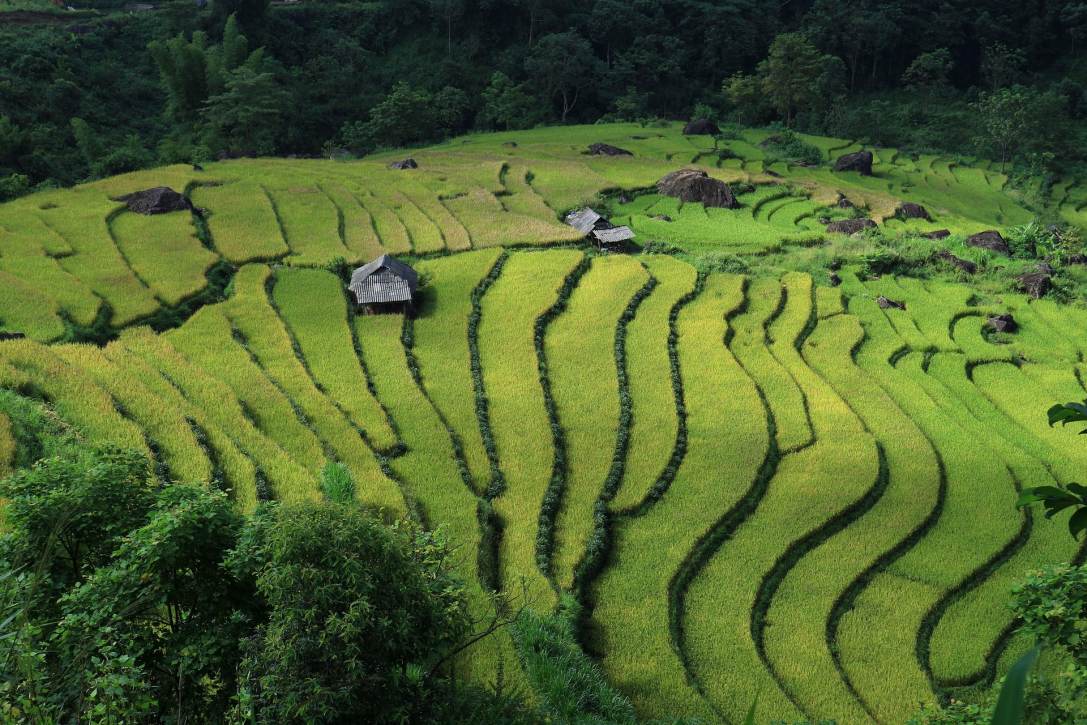
Vietnam is a land of extraordinary natural beauty and vibrant culture, a destination that captivates travelers from every corner of the globe. Picture a country stretching over 1,600 kilometers of coastline, embracing everything from the misty mountain peaks of the north to the tropical jungles and sprawling deltas of the south. Vietnam offers a complete travel experience, capable of fulfilling every traveler's dreams: ancient history, hyper-modern cities, breathtaking landscapes, and a cuisine that ranks among the most celebrated in the world. It is a country that, despite its growing popularity, still manages to surprise and offer corners of authenticity far from the beaten paths.
An Itinerary from North to South: The Essence of Vietnam
For those visiting Vietnam for the first time, the classic north-to-south itinerary is often the most recommended way to grasp the country's extraordinary variety.
The journey begins in Hanoi, the capital, where the chaos of motorbikes and the charm of tree-lined boulevards blend into an unforgettable mix. The Old Quarter is the city's pulsating heart, a labyrinth of streets where every corner tells a story, and where a stop to savor a bowl of pho in what is considered its birthplace is a must. The city also hosts Ho Chi Minh's Mausoleum and the Temple of Literature, the country's first university.
Heading east, nature takes center stage with the legendary Ha Long Bay. This UNESCO World Heritage site is a masterpiece of nature, with thousands of limestone islands rising from emerald waters. For a more intimate and less crowded experience, many experts recommend exploring the nearby Lan Ha Bay, which offers equally spectacular scenery in a peaceful atmosphere. An equally evocative alternative for nature lovers is the Pu Luong nature reserve, southwest of Hanoi, with its rice terraces and ethnic minority villages.
Moving down to the center, the imperial city of Hue will take you on a leap into the past. The ancient capital of the Nguyen dynasty, Hue is the keeper of the Imperial Citadel and the tombs of the emperors, nestled in lush landscapes. The city is also a paradise for food lovers, famous for its refined cuisine that blends history and unique flavors. The scenic route from Hue to Hoi An over the Hai Van Pass is considered one of the most beautiful in Vietnam, offering breathtaking coastal views. Hoi An, with its ancient wooden houses, colorful fabric shops, and thousands of lanterns reflecting on the river, is a timeless city. Here, you can have a custom-made suit crafted in just a few hours or explore the surrounding countryside by bicycle.
The journey concludes in bustling Ho Chi Minh City (formerly Saigon), a metropolis in constant evolution that symbolizes the dynamism of modern Vietnam. Futuristic skyscrapers stand alongside French colonial buildings, such as Notre Dame Cathedral and the Central Post Office. The city is a melting pot of cultures and flavors, where you can enjoy authentic street food, including the famous cơm tấm (grilled pork with rice). A visit to the Cu Chi tunnels, the vast underground network used during the Vietnam War, offers a poignant and profound perspective on the country's recent history.
Beyond the Beaten Path: Discovering Authenticity
While the main attractions are unmissable, the true heart of Vietnam sometimes reveals itself when you move away from the more touristy routes. For the more adventurous travelers, the far north offers unforgettable experiences. The Ha Giang loop, a route traversable by motorbike among limestone peaks and deep valleys, is an adventure for the senses, allowing you to connect with the cultures of ethnic minorities. Places like the Pu Luong Nature Reserve or the idyllic Ba Be Lake, the largest natural freshwater lake in Vietnam, offer a peaceful retreat into nature, where you can stay in authentic family-run homestays.
In the south, the Con Dao archipelago, once a place of exile for political prisoners, is now a corner of paradise with pristine beaches and a national park protecting rich marine and terrestrial biodiversity. Likewise, the Nam Du islands, in the Gulf of Thailand, are a rustic alternative to the more famous Phu Quoc, perfect for those seeking a slow and authentic pace of life.
A Heritage of Culture and Flavors
Vietnam boasts a rich cultural heritage, recognized by UNESCO with 17 intangible cultural heritages. Among these, the court music of Hue, the cultural space of the Gong in the Central Highlands, and the quan họ folk music are unique expressions of the country's soul.
But perhaps it is the cuisine that serves as Vietnam's most famous calling card. From pho, the symbol of national cuisine, to banh mi, the French legacy reinterpreted in a Vietnamese key, every dish is an explosion of freshness and flavor. Street food is an experience not to be missed, as demonstrated by the success of a simple bowl of crab noodle soup in Hai Phong, capable of conquering the most discerning palates at a negligible cost. For a more refined culinary experience, Ho Chi Minh City boasts Michelin-starred restaurants that reinterpret tradition in a modern key.
Vietnam is a destination that leaves its mark. Whether you are seeking adventure, relaxation, history, or flavors, this country will welcome you with its energy and hospitality, gifting you an unforgettable journey.