The Ancient Maya Civilization: A Journey into the Heart of Mesoamerica
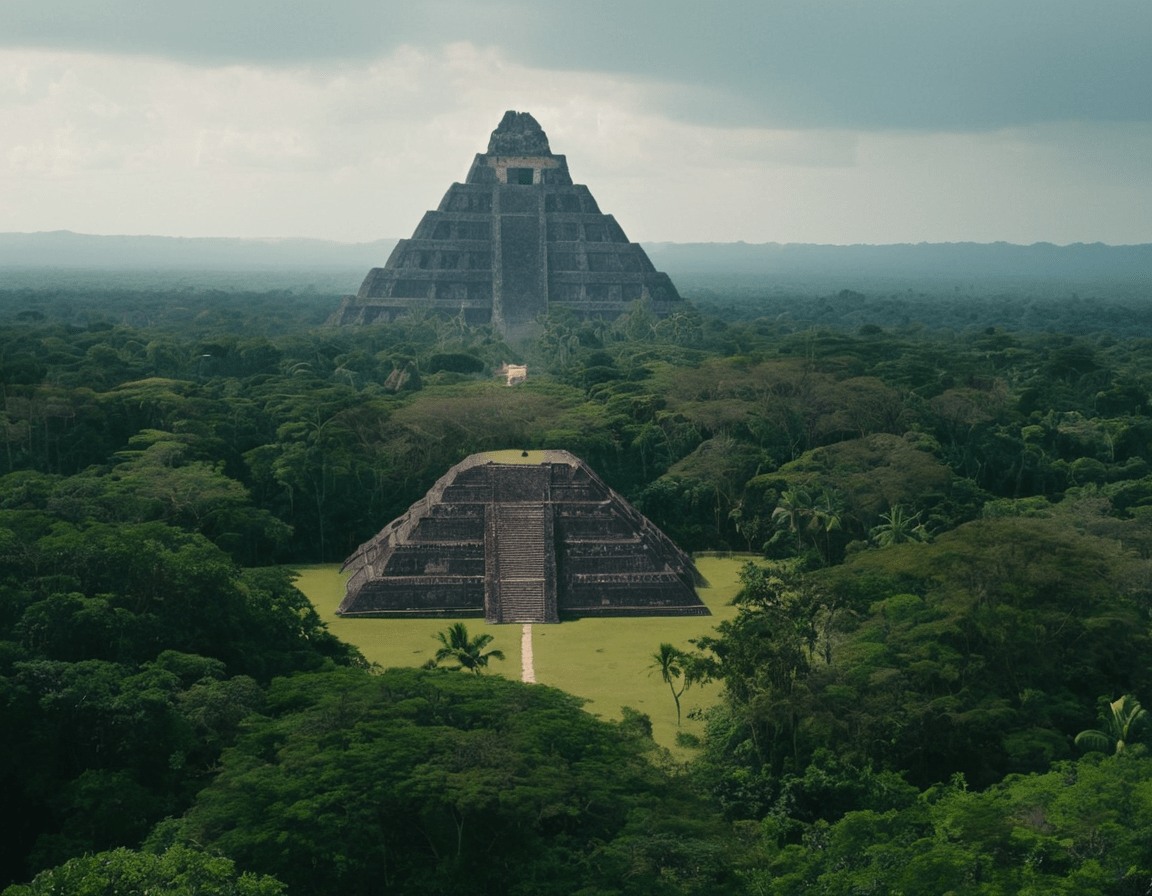
The ancient Maya civilization, which thrived in the Mesoamerican region between 2000 BCE and 900 CE, is one of the most fascinating and complex cultures in human history. With their imposing cities, sophisticated writing system, and advanced knowledge in astronomy, agriculture, and architecture, the Maya have left a lasting legacy that continues to captivate and inspire the modern world.
Origins and Development
The origins of the Maya civilization date back thousands of years, when small agricultural settlements began to develop in the region now known as Mesoamerica, which includes parts of Mexico, Guatemala, Belize, Honduras, and El Salvador. Over the centuries, these settlements evolved into flourishing city-states with a sizable population and a rich culture.
Social and Economic Organization
Maya society was stratified, with a ruling class comprised of nobles and priests who governed over a peasant population. The primary source of livelihood was agriculture, with crops such as maize, beans, squash, cacao, and seaweed. Trade also played a significant role in the Maya economy, with local markets and trade routes connecting the different city-states.
Architecture and Sculpture
The Maya are renowned for their extraordinary architecture and sculpture. Their cities, built with precisely cut limestone, included towering pyramids, temples, palaces, and structures for observing the sky. Numerous sculptures depicting gods, rulers, and scenes of daily life adorned the temples and plazas of the cities, showcasing a high degree of artistic skill and technical mastery.
Religion and Cosmology
Religion held a central place in Maya life, with a complex pantheon of gods governing various aspects of nature and the universe. Religious practice included elaborate ceremonies, human sacrifices, and offerings of food, blood, and precious objects. The Maya also had a sophisticated understanding of astronomy and developed complex lunar and solar calendars that influenced their daily life and agricultural activities.
Decline and Legacy
By the end of the first millennium CE, many Maya cities had experienced significant decline, with many of the great cities abandoned and covered by the jungle. The exact causes of this decline remain a subject of debate among scholars, but factors such as warfare, climate change, and political instability may have contributed to the collapse of the Maya civilization. Despite the fall of the cities, Maya culture and traditions continued to live on through the descendants of modern Maya, who preserve their languages, religions, and cultural practices.
In conclusion, the ancient Maya civilization continues to exert a profound influence on our understanding of Mesoamerican history and culture. With their extraordinary achievements in architecture, writing, religion, and science, the Maya remind us of the complexity and beauty of ancient civilizations and invite us to explore the mysteries and wonders of the past.