The Art of Murals: Creative Expression and Social Commitment
Introduction
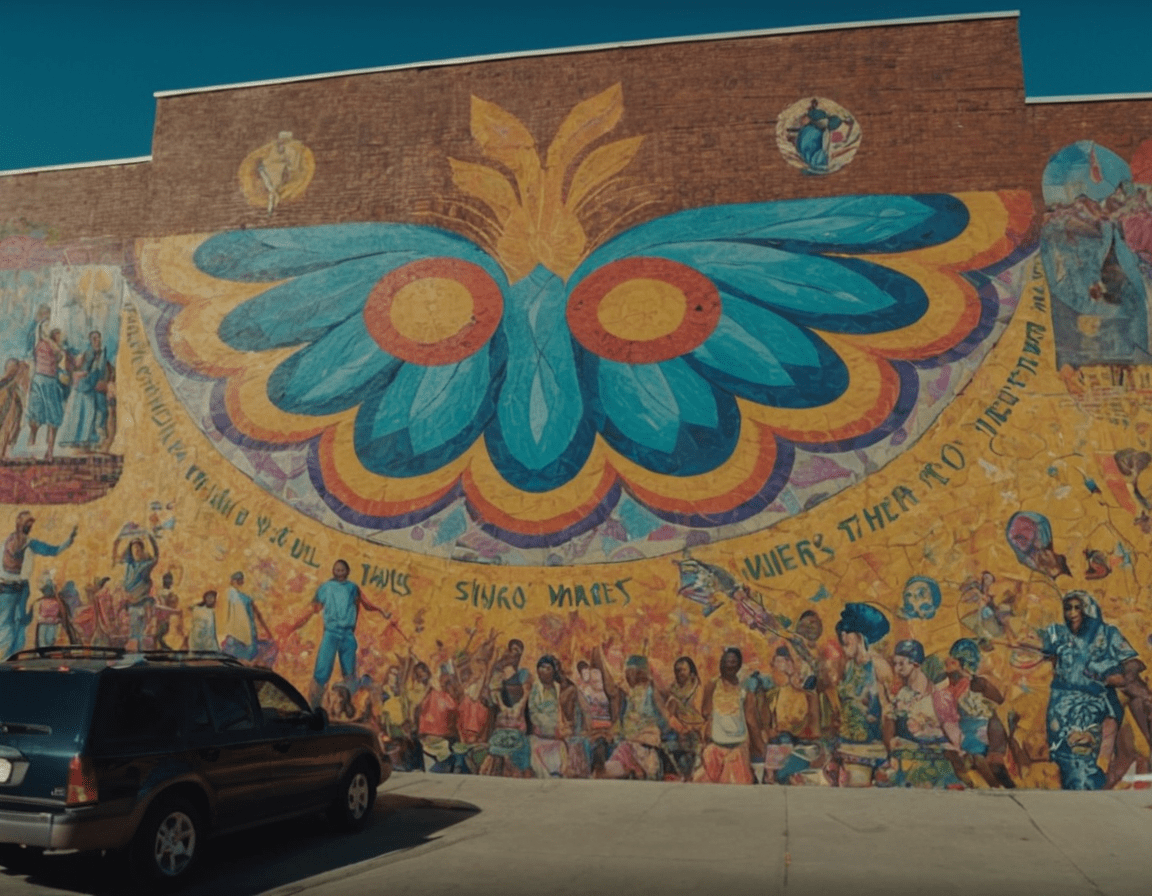
The art of murals is a form of visual expression that has gained increasing recognition and appreciation worldwide. Characterized by often monumental images painted on public and private walls, murals can transform urban landscapes, tell community stories, and convey powerful messages. This article explores the origins, development, and cultural and social impact of murals, offering an in-depth look at how this art form has influenced and continues to influence modern societies.
Origins and History
Ancient Murals:
Prehistory and Antiquity: The earliest forms of murals can be traced back to prehistoric cave paintings, such as those found in the Lascaux caves in France and Altamira in Spain. These paintings depict everyday life, hunting scenes, and spiritual rituals.
Ancient Civilizations: Mesoamerican civilizations, such as the Maya and Aztecs, were known for their complex and colorful murals that adorned temples and palaces, depicting religious and mythological scenes.
Modern Murals:
Revolutionary Mexico: Modern mural art is often associated with the Mexican muralist movement of the 1920s and 1930s, featuring artists like Diego Rivera, José Clemente Orozco, and David Alfaro Siqueiros. These murals celebrated Mexico's history, social struggle, and workers' rights.
Social Movements: In the 1960s and 1970s, murals became tools of political and social expression in the United States and Europe, particularly in the Latino neighborhoods of Los Angeles and post-industrial cities in Britain.
Techniques and Materials
Wall Preparation:
Surface: The wall surface must be cleaned and adequately prepared to ensure the paint adheres well. This may include removing old paint, plastering, and applying a primer.
Sketch: Artists often prepare a preliminary sketch of the mural, which can be scaled up and transferred to the wall using a grid or projections.
Materials:
Paints: Acrylic paints are commonly used for their durability and resistance to weather. For indoor murals, tempera or oil-based paints may also be used.
Tools: Artists use a variety of tools, including brushes, rollers, and spray cans. In some cases, mixed techniques and unconventional materials are integrated for special effects.
Techniques:
Direct Painting: Many murals are painted directly onto the wall surface, layering colors and details as the work progresses.
Stencils and Spray: In some cases, artists use stencils to create intricate designs, while spray allows for quick application of color and shaded details.
Cultural and Social Impact
Urban Transformation:
Space Rehabilitation: Murals can transform degraded and abandoned areas into vibrant and attractive spaces, improving the aesthetic appearance and identity of neighborhoods.
Cultural Tourism: Many cities have embraced mural art as a tourist attraction, organizing festivals and tours that draw visitors from around the world.
Message and Social Commitment:
Message Vehicle: Murals often address social, political, and environmental themes, becoming powerful tools for communication and awareness.
Community Voice: Through mural art, communities can tell their own stories, express their concerns, and celebrate their cultural identity.
Education and Inclusion:
Educational Projects: Many mural projects involve schools and youth, teaching artistic techniques and promoting community participation.
Social Inclusion: Mural art can foster inclusion by involving marginalized groups and creating a sense of belonging and pride.
Famous Murals and Prominent Artists
Diego Rivera:
Famous Works: Rivera is known for his murals that celebrate Mexico's history and culture, such as those in the National Palace in Mexico City.
Banksy:
Unique Style: The mysterious British artist is famous for his satirical and provocative murals, often related to social and political themes.
Keith Haring:
Pop Iconography: Haring brought mural art to the streets of New York, using a distinctive and accessible style that addressed themes like love, war, and the AIDS epidemic.
Conclusion
The art of murals continues to evolve, maintaining its relevance as a form of artistic and social expression. Murals not only beautify our cities but also serve as mirrors of our societies, reflecting hopes, struggles, and collective identities. Exploring mural art is a journey through human creativity and social commitment, an experience that enriches both spectators and the communities that host it.