Abstract Art: Exploring the Limits of Creativity
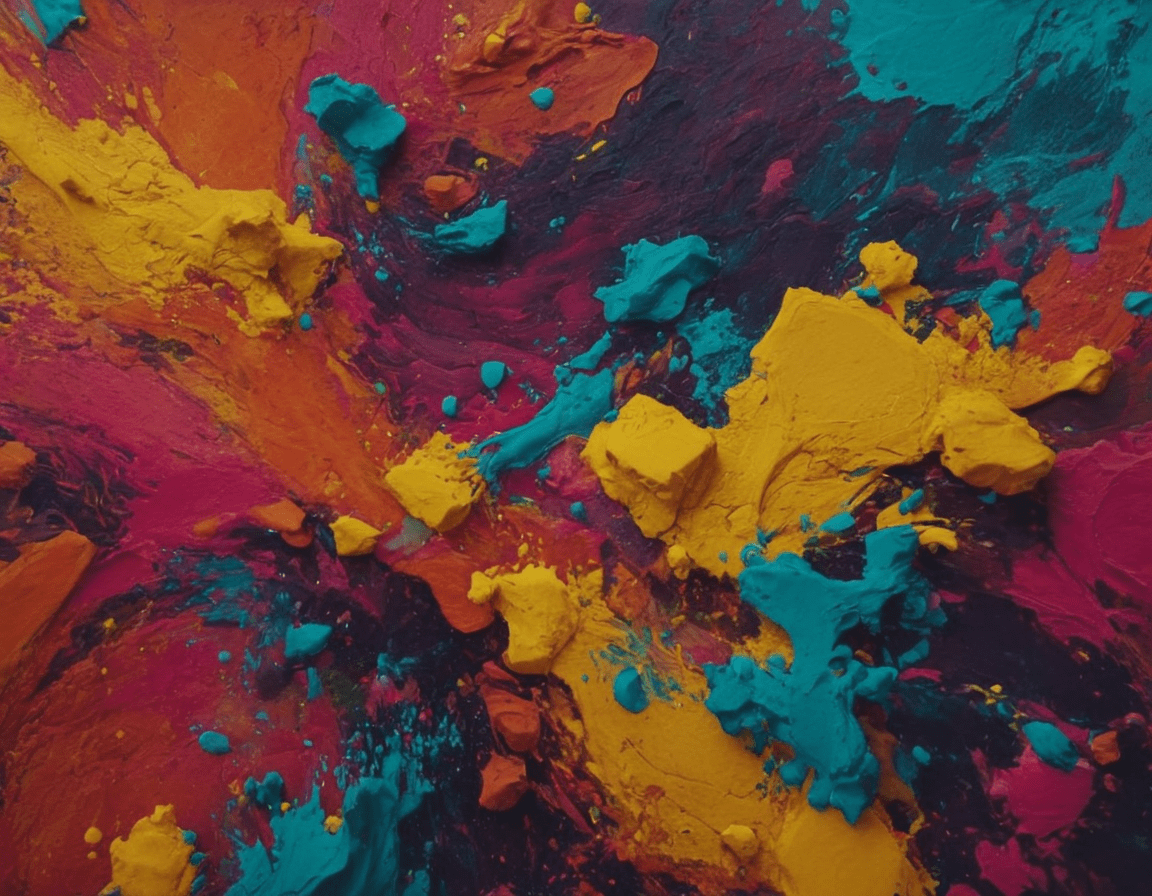
Abstract art represents a fascinating and diverse movement within the art world, characterized by its departure from representational forms and its emphasis on color, shape, line, and form to convey emotion, concept, or sensation. In this article, we will delve into the origins, key characteristics, influential artists, and enduring impact of abstract art on the art world.
Origins and Evolution
Abstract art emerged in the late 19th and early 20th centuries as artists began to explore new ways of expressing themselves beyond traditional representational forms. The movement gained momentum with the pioneering works of artists like Wassily Kandinsky, who sought to evoke emotion and spirituality through non-representational compositions. Over time, abstract art evolved into various styles, including Cubism, Expressionism, Surrealism, and Abstract Expressionism, each offering unique approaches to abstraction.
Key Characteristics
At its core, abstract art seeks to evoke emotion, provoke thought, or challenge perceptions through the use of color, shape, line, and form. Artists often abandon recognizable subject matter in favor of pure abstraction, allowing viewers to interpret and engage with the artwork on a more personal level. Abstract art can range from geometric precision to fluid spontaneity, reflecting the diverse visions and intentions of individual artists.
Influential Artists
Numerous artists have made significant contributions to the development and popularity of abstract art. Wassily Kandinsky, often considered the father of abstract art, paved the way with his groundbreaking explorations of color and form. Other notable figures include Piet Mondrian, known for his geometric compositions; Jackson Pollock, famous for his dynamic drip paintings; and Mark Rothko, celebrated for his expansive color fields that evoke profound emotional responses.
Enduring Impact
Abstract art has had a profound and enduring impact on the art world, influencing subsequent movements and inspiring generations of artists. Its emphasis on experimentation, innovation, and individual expression has challenged traditional notions of art and expanded the boundaries of creativity. Abstract art continues to evolve and thrive in contemporary art, remaining a vibrant and influential force in the global artistic landscape.
Conclusion
Abstract art represents a bold and dynamic exploration of form, color, and emotion, inviting viewers to engage with art in new and unexpected ways. From its humble beginnings to its current status as a cornerstone of modern and contemporary art, abstract art continues to captivate audiences and challenge perceptions. As we continue to explore the limitless possibilities of abstraction, we celebrate the enduring legacy and boundless creativity of abstract art.