Exploring the World of Forensic Science: Unraveling Mysteries Through Evidence

Forensic science, the application of scientific principles and techniques to solve crimes and legal issues, has captured the imagination of the public through popular media and real-life cases. This multidisciplinary field encompasses various scientific disciplines, including biology, chemistry, physics, and psychology, to analyze evidence and provide impartial answers to questions raised in legal proceedings. In this article, we will delve into the fascinating world of forensic science, exploring its techniques, applications, and significance in modern society.
History of Forensic Science:
The roots of forensic science can be traced back to ancient civilizations, where rudimentary methods were used to investigate crimes. However, it wasn't until the late 19th and early 20th centuries that forensic science began to evolve into a formal discipline. Pioneers such as Sir Arthur Conan Doyle and Dr. Edmond Locard laid the groundwork for modern forensic techniques, including fingerprint analysis and the principle of "every contact leaves a trace."
Techniques and Methods:
Forensic scientists employ a wide range of techniques and methods to analyze evidence collected from crime scenes. These may include:
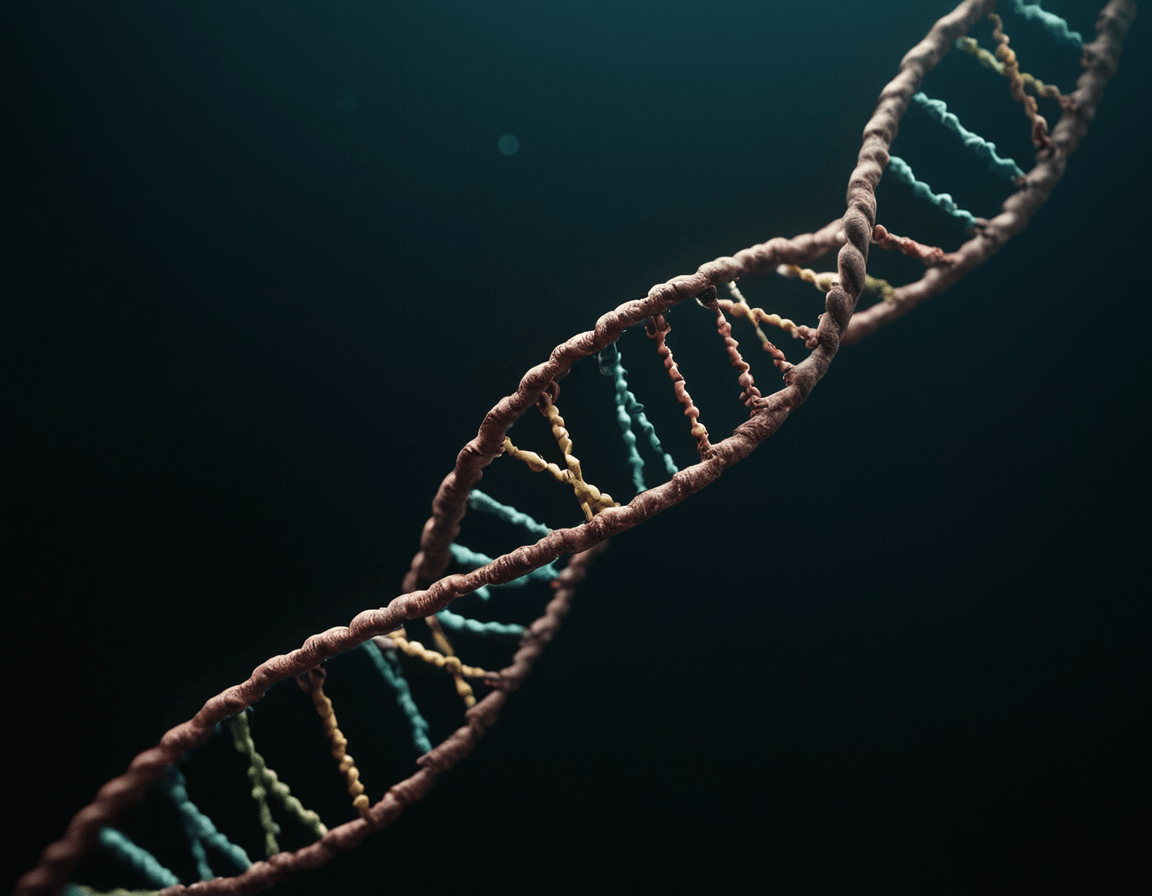
DNA Analysis: DNA profiling is one of the most powerful tools in forensic science, allowing scientists to identify individuals with a high degree of accuracy using genetic markers.
Fingerprint Analysis: Fingerprint patterns are unique to each individual and can be used to positively identify suspects or link them to crime scenes.
Ballistics: The study of firearms and ammunition, including the analysis of bullets, casings, and gunshot residue, can provide valuable information in shooting investigations.
Toxicology: Toxicologists analyze bodily fluids and tissues to detect the presence of drugs, alcohol, or poisons, which can be crucial in cases of overdose or poisoning.
Forensic Anthropology: Anthropologists examine skeletal remains to determine factors such as age, sex, and cause of death, aiding in the identification of unknown individuals.
Applications of Forensic Science:
Forensic science plays a vital role in various aspects of the legal system, including:
Criminal Investigations: Forensic evidence can help establish guilt or innocence in criminal cases by linking suspects to crime scenes or providing insights into the circumstances surrounding a crime.
Missing Persons Cases: Forensic techniques such as DNA analysis and forensic anthropology are used to identify human remains and provide closure to families of missing persons.
Mass Disasters: In the aftermath of natural disasters or mass casualty events, forensic scientists assist in the identification of victims and the determination of causes of death.
Challenges and Ethical Considerations:
Despite its valuable contributions to the legal system, forensic science faces several challenges, including:
Backlog of Cases: The demand for forensic analysis often exceeds the capacity of crime labs, leading to backlogs and delays in processing evidence.
Quality Assurance: Ensuring the accuracy and reliability of forensic techniques requires rigorous quality control measures and adherence to ethical standards.
Changing Technology: Advances in technology bring new forensic tools and methods, but also require ongoing training and education for forensic professionals to stay current.
Conclusion:
Forensic science is a powerful tool for uncovering the truth and delivering justice in legal proceedings. By applying scientific principles to the analysis of evidence, forensic scientists play a crucial role in solving crimes, identifying victims, and exonerating the innocent. As technology continues to advance and new challenges emerge, the field of forensic science will remain at the forefront of investigations, helping to unravel mysteries and bring closure to those affected by crime.