Microbiology: The Invisible World that Shapes Life on Earth
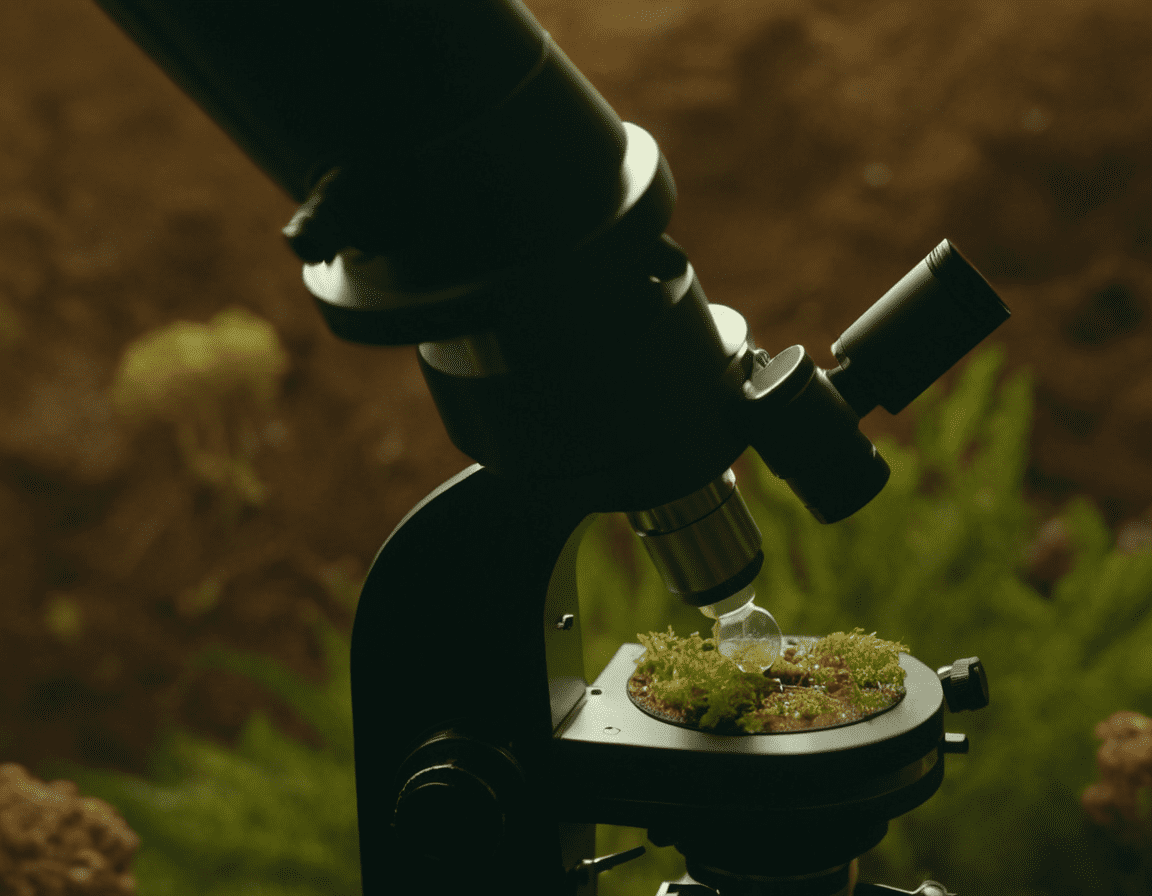
Microbiology is the science that studies microorganisms, microscopic living beings that include bacteria, viruses, fungi, algae, and protozoa. Despite their minute size, these organisms have a profound impact on all aspects of life on Earth, from human health to the environment, industry, and agriculture.
Origins and Development of Microbiology
Microbiology as a scientific discipline originated in the 17th century when Antoni van Leeuwenhoek, using a rudimentary microscope, first observed "animalcules" invisible to the naked eye, paving the way for the discovery of the microbial world. However, it was only in the 19th century, with the studies of Louis Pasteur and Robert Koch, that microbiology began to develop as a modern science. Pasteur demonstrated the role of microorganisms in fermentation and disease, while Koch developed methods to isolate and identify pathogenic bacteria.
Fields of Study in Microbiology
Microbiology is an extremely broad field that is divided into numerous specialized branches:
Bacteriology: It deals with the study of bacteria, unicellular organisms that can live in extreme environments and play essential roles in biogeochemical cycles.
Virology: It studies viruses, non-cellular entities that need a host cell to replicate. Virology is particularly relevant in research on infectious diseases.
Mycology: It is dedicated to the study of fungi, a heterogeneous group of organisms that includes molds, yeasts, and macroscopic fungi. Fungi are important both as pathogens and for their utility in the food and pharmaceutical industries.
Parasitology: It examines protozoa and other parasites that can infect humans and other animals, causing diseases such as malaria and giardiasis.
Microbial Ecology: It studies the interaction of microorganisms with their environment and with each other, analyzing microbial communities and their role in ecosystems.
Importance of Microorganisms
Microorganisms are fundamental to life on Earth. Here are some of their key functions:
Biogeochemical Cycles: Microorganisms actively participate in the carbon, nitrogen, and sulfur cycles, contributing to the recycling of nutrients essential for life.
Fermentation: Yeasts and bacteria are used in the production of fermented foods and beverages such as bread, beer, wine, and yogurt.
Biotechnology: Microorganisms are used in the production of antibiotics, vaccines, industrial enzymes, and biofuels. Genetic manipulation of bacteria has opened new frontiers in the production of high-value medical and industrial substances.
Human Health: The human microbiome, the collection of microorganisms that live in our bodies, is essential for digestion, vitamin synthesis, and protection against pathogens. Dysbiosis, an alteration of the microbiome, is associated with various diseases, including gastrointestinal disorders, obesity, and autoimmune diseases.
Challenges and Future Prospects
Microbiology faces significant challenges, such as antibiotic resistance, which threatens the ability to treat bacterial infections. Research is focused on developing new antibiotics and therapeutic alternatives, such as bacteriophages and probiotics.
Moreover, exploring the microbiome and its interactions with the host opens new perspectives for personalized medicine and disease prevention. Bioinformatics and high-speed DNA sequencing technologies are revolutionizing our ability to study and understand microorganisms.
In conclusion, microbiology is a dynamic and interdisciplinary science that continues to unveil the secrets of the invisible world, offering innovative solutions to improve human health, protect the environment, and enhance industry. Its importance cannot be overstated, as microorganisms are the very foundation of life and its balance on our planet.