Interactions Between Species: A Complex Dance in the Natural World
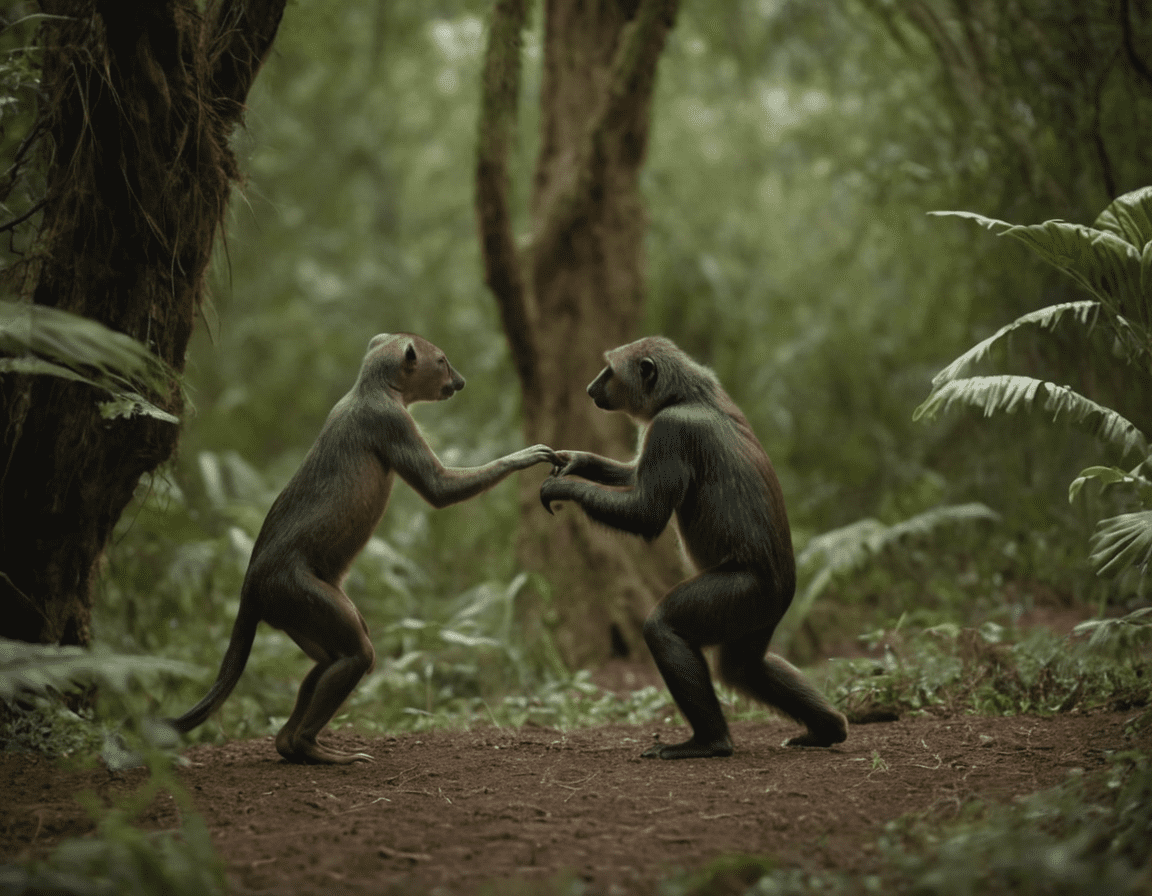
In the vast fabric of life on Earth, interactions between species are one of the most fascinating and complex phenomena. These interactions, which can be cooperative, competitive, or neutral, play a crucial role in shaping biodiversity, ecosystem structure, and the functioning of natural environments. Understanding these relationships is fundamental to biology, ecology, and conservation.
Types of Interactions Between Species
Interactions between species are classified into several main categories:
Competition: This occurs when two or more species compete for the same limited resources, such as food, water, or space. This competition can be intraspecific (within the same species) or interspecific (between different species). Competition can lead to adaptive evolution, where species develop strategies to reduce mutual interference.
Predation: This is a relationship in which an individual of one species (predator) captures and consumes an individual of another species (prey). This type of interaction has significant ecological implications, influencing the populations of both prey and predators and contributing to natural selection.
Parasitism: This is an interaction where one organism (parasite) lives at the expense of another organism (host), causing harm to the host. Parasites can be external (ectoparasites) or internal (endoparasites) and can significantly affect the host's health and behavior.
Mutualism: This is a relationship in which both species benefit. A classic example is the relationship between flowers and pollinating insects, where flowers get pollinated and insects receive nectar. Another example is the symbiosis between mycorrhizal fungi and plants, where fungi enhance nutrient absorption for the plants and receive carbohydrates in return.
Commensalism: This is an interaction where one species benefits while the other is neither helped nor harmed. An example is epiphytes, plants that grow on other plants without extracting nutrients from them, simply using them for support.
Amensalism: This is an interaction where one species is harmed while the other is unaffected. An example is allelopathy, where some plants release chemicals into the soil that inhibit the growth of other plants.
Ecological Impacts of Species Interactions
Interactions between species have profound ecological implications:
Population Regulation: Interactions such as predation and parasitism can regulate population sizes, preventing overpopulation and maintaining ecological balance.
Nutrient Cycles: Mutualistic relationships, such as those between plants and mycorrhizal fungi, play a crucial role in nutrient cycles, enhancing soil fertility and ecosystem productivity.
Coevolution: Interactions between species can lead to coevolution, where species develop reciprocal adaptations. An example is the evolutionary arms race between predators and prey, where each improvement in a predator's hunting ability leads to improvements in the prey's escape abilities.
Ecosystem Structure: Species interactions influence ecosystem structure, determining which species can coexist and how resources are distributed.
Examples of Species Interactions
Wolves and Elk: In North American forests, the relationship between wolves and elk is a classic example of predation. Wolves hunt elk, influencing their population sizes and distribution. This, in turn, has cascading effects on the ecosystem, affecting vegetation and other animal species.
Ants and Acacias: In some tropical regions, ants and acacias have a mutualistic relationship. Acacias provide food and shelter to ants, while ants defend acacias from herbivores and competitors.
Orchids and Mycorrhizal Fungi: Orchids often rely on mycorrhizal fungi for seed germination. The fungi help orchids obtain essential nutrients, improving their chances of survival.
Challenges and Future Prospects
Understanding interactions between species is fundamental for biodiversity conservation and ecosystem management. However, human activities, such as deforestation, the introduction of invasive species, and climate change, are altering these interactions, often with unpredictable consequences.
Ecologists are working to better understand how networks of species interactions respond to such changes and how we can mitigate negative impacts. Ecosystem-based conservation, which considers species interactions and their environment, is a promising strategy for preserving biodiversity and ecosystem functionality.
In conclusion, interactions between species represent a complex and interconnected dance that shapes life on Earth. Studying them provides valuable insights into how ecosystems function and how we can protect them for future generations.