Unraveling the Mysteries of DNA: The Blueprint of Life
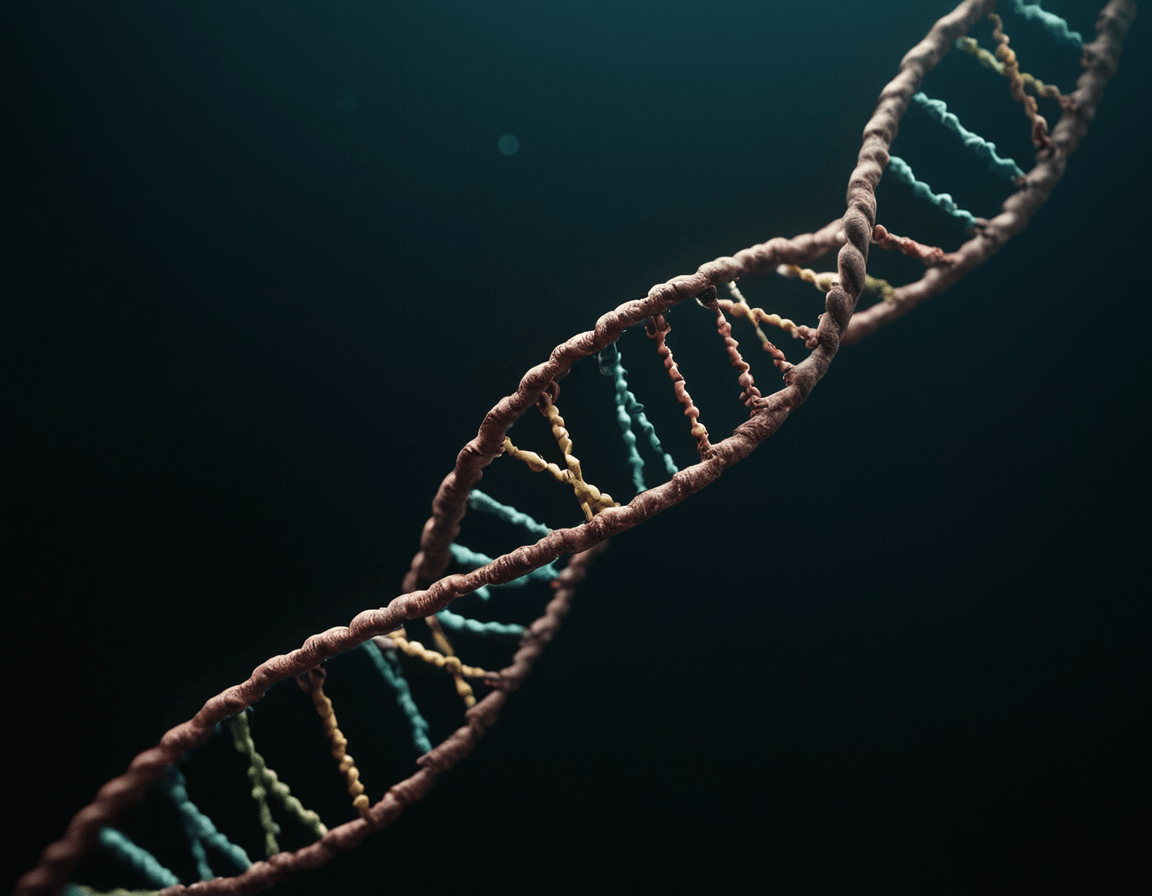
Deoxyribonucleic acid, commonly known as DNA, serves as the fundamental building block of life. This remarkable molecule contains the genetic instructions that dictate the development, functioning, and reproduction of all living organisms. In this article, we will explore the fascinating world of DNA, its structure, functions, and significance in various aspects of science and everyday life.
The Structure of DNA:
DNA is composed of two long strands that coil around each other to form a double helix. Each strand consists of repeating units called nucleotides, which are made up of a sugar molecule (deoxyribose), a phosphate group, and one of four nitrogenous bases: adenine (A), thymine (T), cytosine (C), and guanine (G). The structure of DNA is often likened to a twisted ladder, with the base pairs forming the rungs and the sugar-phosphate backbone comprising the sides.
Functions of DNA:
DNA carries out several critical functions within living organisms:
Genetic Information Storage: DNA contains the genetic code that encodes the instructions for building and maintaining an organism. This code is organized into genes, which determine an organism's traits and characteristics.
DNA Replication: Before a cell divides, its DNA must be replicated to ensure that each daughter cell receives a complete set of genetic information. DNA replication is a highly accurate process that occurs prior to cell division.
Gene Expression: The process of gene expression involves transcribing the information stored in DNA into messenger RNA (mRNA), which is then translated into proteins. Proteins are the primary functional molecules in cells and play essential roles in virtually every biological process.
Mutation and Variation: DNA is subject to occasional changes called mutations, which can alter an organism's genetic code. These mutations contribute to genetic variation within populations and are a driving force of evolution.
Applications of DNA:
DNA has numerous practical applications in various fields, including:
Forensic Science: DNA analysis is commonly used in forensic investigations to identify suspects, victims, and individuals involved in criminal cases. DNA evidence can be collected from sources such as blood, saliva, hair, and skin cells left at crime scenes.
Medical Diagnostics: DNA testing is used in medical diagnostics to detect genetic disorders, identify disease-causing mutations, and personalize treatment plans for patients. Genetic testing can provide valuable insights into an individual's risk of developing certain diseases and inform preventative measures.
Biotechnology: DNA technology is employed in biotechnology to produce genetically modified organisms (GMOs), develop new pharmaceuticals, and create diagnostic tools for medical and research purposes. Techniques such as polymerase chain reaction (PCR) and DNA sequencing have revolutionized the fields of genetics and molecular biology.
Ethical and Social Considerations:
The use of DNA technology raises various ethical and social issues, including concerns about privacy, consent, and genetic discrimination. As DNA testing becomes more accessible and widespread, it is essential to address these ethical considerations and ensure that DNA information is used responsibly and ethically.
Conclusion:
DNA is a powerful tool for uncovering the truth and delivering justice in legal proceedings. By applying scientific principles to the analysis of evidence, forensic scientists play a crucial role in solving crimes, identifying victims, and exonerating the innocent. As technology continues to advance and new challenges emerge, the field of forensic science will remain at the forefront of investigations, helping to unravel mysteries and bring closure to those affected by crime.