Oceanography: Exploring the Depths of the Blue Planet
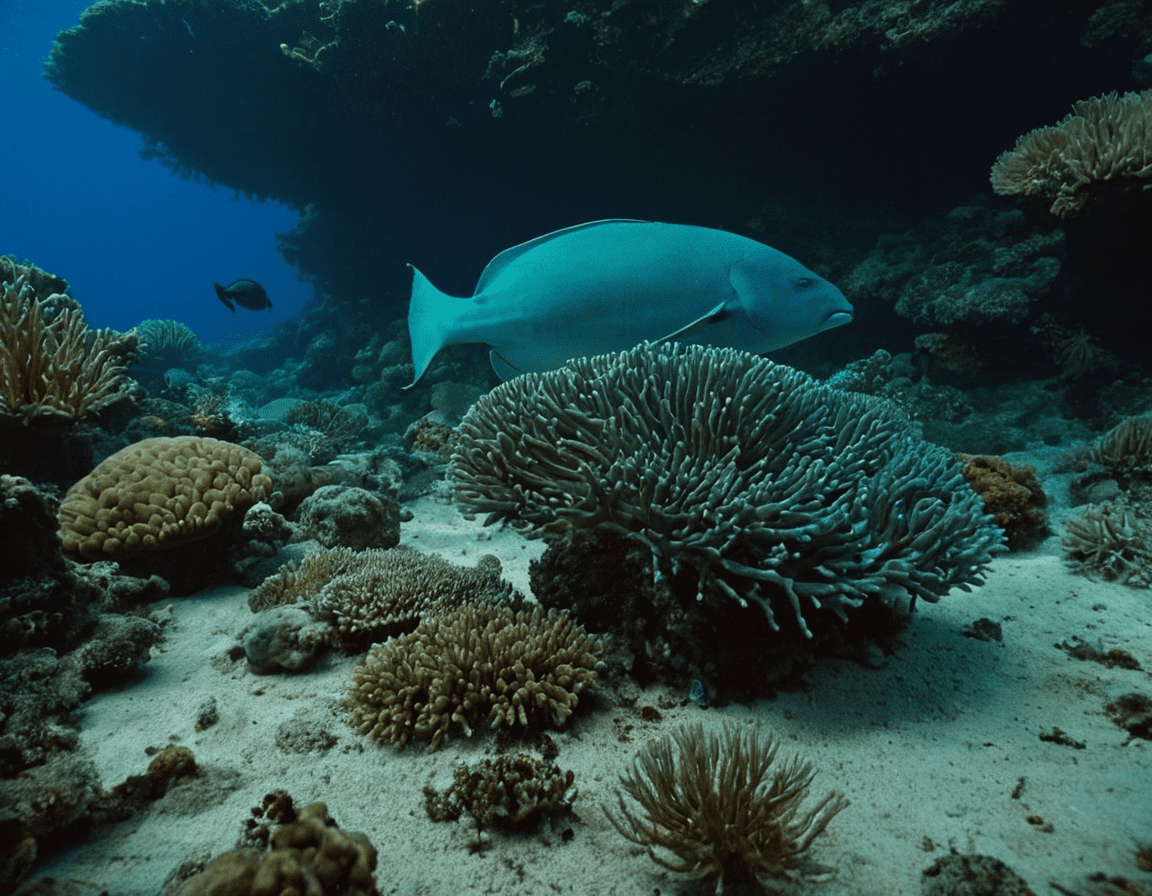
Oceanography is the science that studies the Earth's oceans and seas, encompassing a wide range of disciplines, including marine biology, marine geology, marine chemistry, and marine physics. With oceans covering over 70% of the Earth's surface, understanding them is crucial for our planet. Oceans not only influence climate and weather but are also a vital source of biodiversity, food, and mineral resources.
The Disciplines of Oceanography
Marine Biology: This branch of oceanography focuses on marine life and ocean ecosystems. It studies a vast range of organisms, from tiny phytoplankton to large marine mammals like whales. Marine biology is essential for understanding ocean biodiversity and the impacts of human activities, such as fishing and pollution, on marine ecosystems.
Marine Geology: This discipline explores the structure and composition of the ocean floor. It includes the study of mid-ocean ridges, oceanic trenches, underwater volcanoes, and marine sediments. Marine geology is crucial for understanding the geological processes that shape our planet, such as plate tectonics and the formation of continents.
Marine Chemistry: This branch studies the chemical composition of seawater and the chemical processes occurring in the oceans. It includes the analysis of dissolved elements, nutrients, and gases, as well as understanding the impacts of ocean acidification and chemical contamination. Marine chemistry is vital for understanding the carbon cycle and the role of oceans in the global climate.
Marine Physics: This discipline deals with the physical properties of the ocean, such as currents, waves, tides, and temperature. It also studies phenomena like El Niño and La Niña, which have significant impacts on global climate. Marine physics is essential for predicting ocean behavior and its effects on climate and coastal ecosystems.
Importance of the Oceans
Oceans play a fundamental role in regulating the Earth's climate. They act as a massive heat reservoir, absorbing and releasing thermal energy, which helps moderate global temperatures. Ocean currents, such as the Gulf Stream, transport heat from one part of the globe to another, influencing climate and weather patterns.
Additionally, oceans are a major source of oxygen due to the photosynthesis of phytoplankton, which produces about half of the Earth's atmospheric oxygen. They are also rich in biodiversity, hosting millions of species ranging from microorganisms to large cetaceans.
Threats to the Oceans
Oceans face numerous threats due to human activities:
Pollution: The release of plastics, heavy metals, and other chemicals into the oceans has a devastating impact on marine life. Plastic pollution is particularly concerning as it can be ingested by marine fauna, causing severe harm.
Climate Change: Global warming is causing rising ocean temperatures and ocean acidification, which threaten coral reefs and other forms of marine life sensitive to changes in temperature and pH levels.
Overexploitation: Overfishing has led to the decline of many fish populations, putting the balance of marine ecosystems and the food security of millions of people at risk.
Research and Innovation
Oceanographic research is essential for understanding and mitigating threats to the oceans. Advanced technologies such as satellites, autonomous underwater vehicles, and ocean sensors are revolutionizing our ability to study the oceans. These technologies allow for real-time data collection on a large scale, improving our understanding of ocean dynamics.
Additionally, global initiatives like the United Nations Decade of Ocean Science for Sustainable Development (2021-2030) aim to mobilize the international community to promote oceanographic research and the sustainable use of oceans.
Conclusion
Oceanography is a vital science for understanding our blue planet. Oceans are essential for regulating climate, supporting biodiversity, and sustaining human livelihoods. Protecting and preserving these vast ecosystems requires a concerted effort from the scientific community, governments, and the public. Only through research, innovation, and global collaboration can we ensure that the oceans continue to thrive for future generations.