Home Aquariums: An Underwater World Within Reach
Introduction
Home aquariums are not only decorative but also offer a relaxing and educational experience. Watching fish swim calmly can reduce stress and bring a sense of peace to our homes. However, setting up and maintaining an aquarium requires knowledge and dedication. This article explores the benefits of having a home aquarium, how to set one up, and the care needed to keep it healthy.
Benefits of Having a Home Aquarium
Stress Reduction:
Watching fish can have a calming effect, reducing stress and anxiety.
The presence of an aquarium at home can improve mental well-being by creating a relaxing environment.
Decoration and Aesthetics:
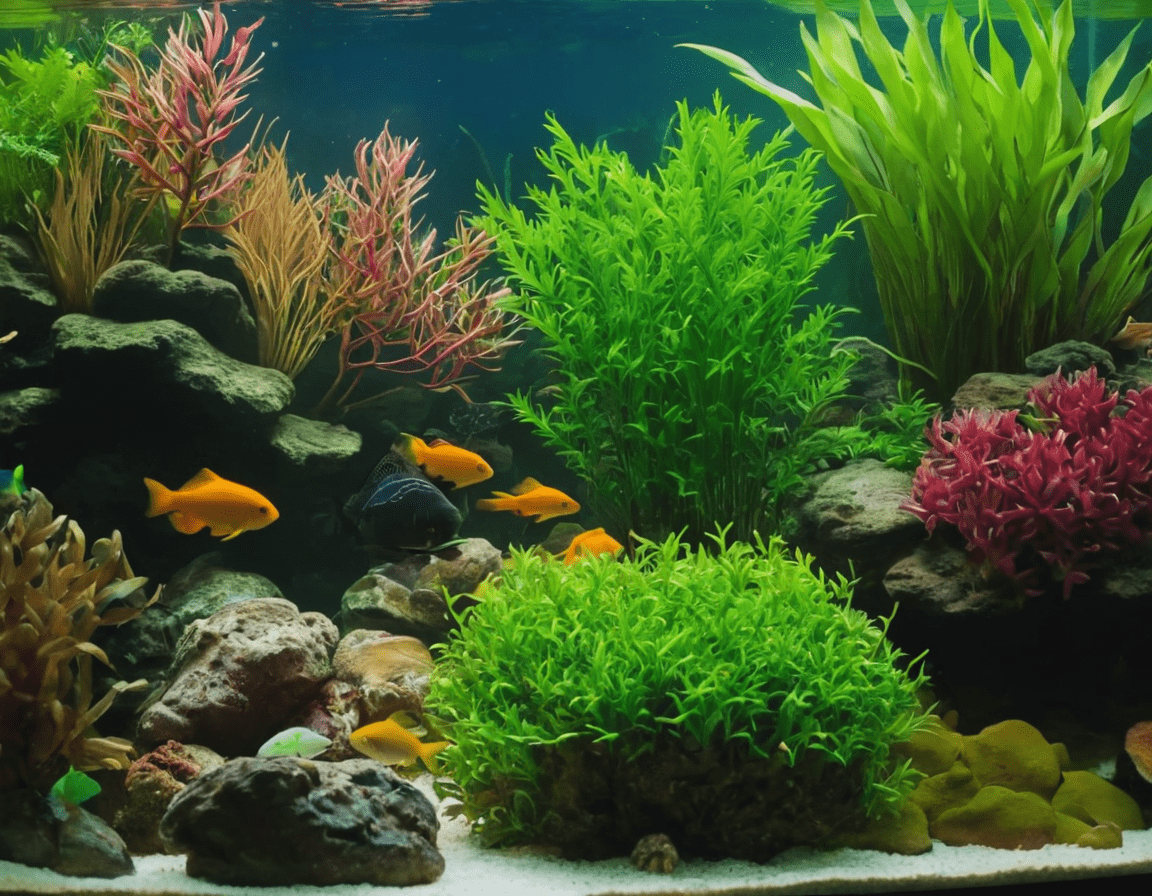
A well-set-up aquarium can become a focal point in the house, adding beauty and visual interest.
Aquariums can be customized with various styles, plants, and decorations to match the home decor.
Education and Entertainment:
Aquariums offer an educational opportunity, especially for children, to learn about biology and marine ecology.
Taking care of an aquarium can be a rewarding hobby, teaching responsibility and attention to detail.
How to Set Up an Aquarium
Choosing the Aquarium:
Size: Choose the size of the aquarium based on the available space and the type of fish you want to keep. A larger aquarium is generally more stable and easier to maintain.
Type of Aquarium: Decide whether you want a freshwater or saltwater aquarium. Freshwater aquariums are generally easier and less expensive to manage than saltwater ones.
Necessary Equipment:
Filter: A good filtration system is essential to keep the water clean and the fish healthy. There are various types of filters, including external, internal, and under-gravel filters.
Heater: Most tropical fish require warm water. A heater with a thermostat helps maintain a constant temperature.
Lighting: Lights are important not only for aesthetics but also for the health of aquatic plants and to maintain the day/night cycle for the fish.
Substrate and Decorations: Choose an appropriate substrate, such as sand or gravel, and add decorations like rocks, driftwood, and aquatic plants to create a natural environment.
Preparing the Water:
Fill the aquarium with tap water treated with a conditioner to remove chlorine and other harmful substances.
Nitrogen Cycle: Before adding the fish, it is important to cycle the aquarium to establish a biological balance. This process can take a few weeks.
Choosing the Fish:
Choose compatible fish that can coexist peacefully. Consider the size of the fish, their space needs, and the water conditions.
Add fish gradually to avoid overloading the biological system of the aquarium.
Aquarium Maintenance
Feeding the Fish:
Feed the fish a balanced diet specific to their needs. Avoid overfeeding to prevent water quality issues.
Remove uneaten food to avoid waste buildup.
Water Changes:
Perform partial water changes regularly (about 20-30% every 1-2 weeks) to keep the water clean and free of nitrate buildup and other harmful substances.
Use treated water at a temperature similar to that of the aquarium to avoid thermal shock to the fish.
Filter Cleaning:
Clean the filter regularly, following the manufacturer's instructions, to maintain the efficiency of the filtration system.
Avoid cleaning all filter components at once to preserve beneficial bacteria.
Monitoring Water Parameters:
Regularly monitor water parameters such as pH, hardness, ammonia, nitrites, and nitrates using specific tests.
Adjust the water parameters, if necessary, to maintain a healthy environment for the fish.
Conclusion
Having an aquarium at home can be an extremely rewarding experience, offering beauty, relaxation, and education. Although it requires some initial effort and regular maintenance, the benefits far outweigh the efforts. With proper attention and care, an aquarium can become a centerpiece of your home, bringing a piece of the underwater world directly into your living room.