Guinea Pigs: A Comprehensive Guide to Their Care and Well-being
Introduction
Guinea pigs, also known as cavies, are small rodents native to the Andes in South America. Known for their docile nature and sociable behavior, guinea pigs are popular and beloved pets worldwide. This article provides a comprehensive guide on how to care for guinea pigs, ensuring their well-being and a healthy, happy life.
Characteristics and Behavior
Physical Appearance:
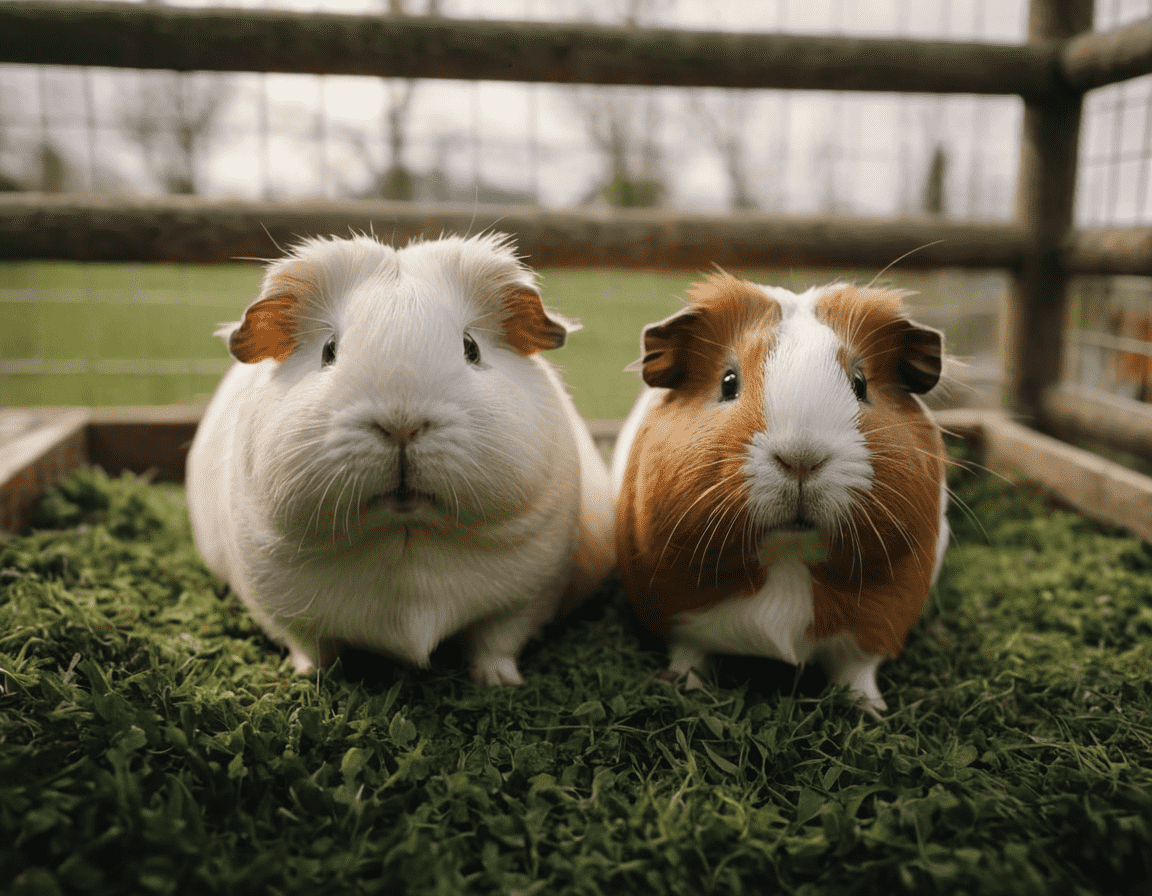
Guinea pigs have a compact, robust body, weighing between 700 and 1200 grams.
Their fur can be short, long, smooth, or curly, and can come in a wide range of colors and patterns.
They have small ears and large, bright eyes.
Behavior:
Guinea pigs are social animals and thrive in the company of other guinea pigs.
They are known for their distinctive vocalizations, which they use to communicate with their companions and owners.
They have a curious and friendly nature, making them excellent pets.
Habitat and Care
Cage:
The cage should be spacious, with a minimum size of 100x50 cm for a pair of guinea pigs.
The bottom of the cage should be solid and covered with absorbent bedding, such as wood shavings (not cedar or pine), recycled paper, or hay.
The cage should be placed in a quiet area, away from drafts and excessive heat sources.
Accessories:
Provide shelters and hiding places, such as wooden houses or tunnels, to allow guinea pigs to feel secure.
Offer toys and chew items, such as untreated wood branches and rodent toys, to stimulate their mind and keep their teeth healthy.
Hygiene:
Clean the cage at least once a week, removing soiled bedding and replacing it with fresh material.
Regularly clean food bowls and water bottles to prevent bacterial growth.
Feeding
Diet:
Guinea pigs are herbivores, and their diet should consist mainly of high-quality hay, which is essential for their digestion and to keep their teeth healthy.
Provide fresh vegetables daily, such as romaine lettuce, bell peppers, carrots, and cucumbers. Avoid vegetables with high calcium content, such as spinach and kale, as they can cause urinary problems.
Include a small amount of fruit, such as apples and strawberries, as occasional treats.
Vitamin C:
Guinea pigs cannot synthesize vitamin C and therefore must obtain it from their diet. Providing a vitamin C supplement may be necessary, especially if the diet is not rich enough in this vitamin.
Specific vitamin C supplements for guinea pigs can be used, or vegetables rich in vitamin C, such as bell peppers and parsley, can be provided.
Health and Well-being
Veterinary Check-ups:
Take guinea pigs to a veterinarian specialized in exotic animals for regular check-ups.
Monitor the health of guinea pigs by checking their weight, fur, eyes, and ears.
Signs of Illness:
Pay attention to signs of illness such as loss of appetite, lethargy, difficulty breathing, or changes in feces.
If suspicious symptoms are observed, consult a veterinarian immediately.
Dental Care:
Guinea pigs' teeth grow continuously and must be kept at a proper length with a diet rich in hay and chew items.
Dental problems can cause pain and difficulty eating, so it is important to regularly check the length and health of their teeth.
Socialization and Play
Interaction:
Guinea pigs enjoy the company of their peers and humans. Spend time with them daily to build a bond of trust.
Avoid sudden movements and loud noises that can scare them.
Safe Exploration:
Allow guinea pigs to explore safely outside the cage in a controlled area. Ensure the area is free of hazards and that there are no electrical cords or toxic plants within reach.
Conclusion
Guinea pigs are fascinating and affectionate pets that can bring much joy to their owners' homes. With proper care, including a balanced diet, a safe and stimulating habitat, and regular socialization, guinea pigs can live a long and healthy life. It is essential to be informed about their specific needs and to dedicate time and attention to ensure their well-being.