Domestic Turtles: A Guide to Their Care and Well-being
Introduction
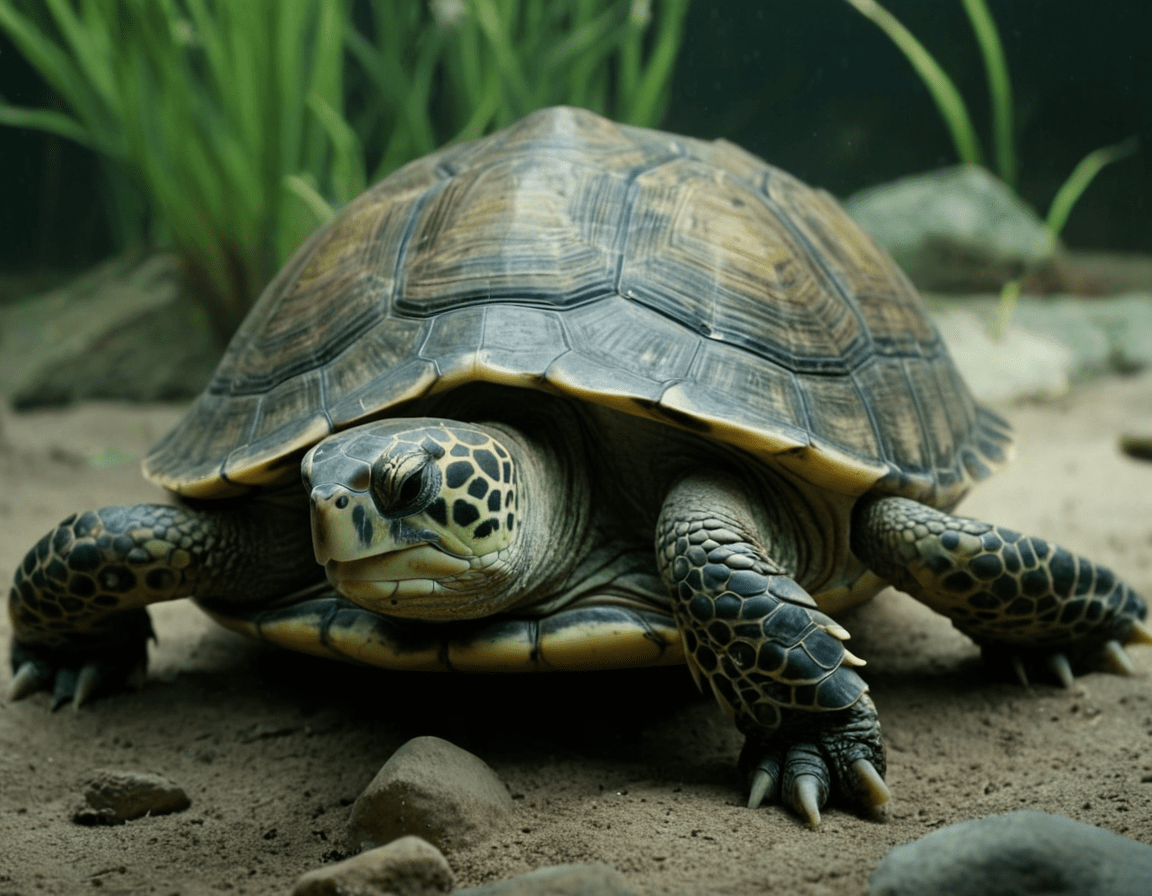
Domestic turtles are among the most fascinating and long-lived pets. Appreciated for their calm nature and unique appearance, turtles require specific care to thrive in a domestic environment. This article provides a comprehensive guide on how to care for domestic turtles, ensuring their well-being and longevity.
Types of Domestic Turtles
There are two main categories of turtles that can be kept as pets: aquatic turtles and terrestrial turtles.
Aquatic Turtles:
Trachemys scripta elegans (Red-eared Slider):
One of the most common aquatic turtles, recognizable by the red spots behind its eyes.
Pseudemys concinna (Florida Cooter):
Known for its beauty and significant size.
Terrestrial Turtles:
Testudo hermanni (Hermann's Tortoise):
One of the most popular species in Europe, characterized by its domed and colorful shell.
Testudo graeca (Greek Tortoise):
Known for its robustness and ease of care.
Habitat and Care
Habitat for Aquatic Turtles:
Aquarium: It should be large enough to allow the turtle to swim freely. An aquarium of at least 100 liters is recommended for an adult turtle.
Basking Area: Aquatic turtles need a dry area where they can rest and bask.
Water Filtration: A good filtration system is essential to keep the water clean and prevent diseases.
UVB Lighting: Essential for the synthesis of vitamin D3, necessary for calcium absorption and shell health.
Habitat for Terrestrial Turtles:
Terrarium: It should be spacious, with appropriate substrate like soil, sand, and coconut fiber. Ventilation is important to avoid excess humidity.
Heating Area: Terrestrial turtles need a heated area with a UVB lamp and a heat lamp to maintain the temperature between 26°C and 32°C during the day.
Hiding Spots: These can be rocks, bark, or small shelters where the turtle can feel secure.
Feeding
Aquatic Turtles:
Diet: The diet should include turtle-specific pellets, fresh vegetables like romaine lettuce, spinach, and carrots, and animal proteins like fish, shrimp, and insects.
Supplements: Calcium supplements are crucial to prevent shell problems.
Terrestrial Turtles:
Diet: They prefer a diet based on herbs, flowers, leafy green vegetables, and fruits. Examples include dandelions, clover, hibiscus, and romaine lettuce.
Supplements: Calcium supplements are also important for terrestrial turtles to maintain a healthy shell.
Health and Well-being
Health Monitoring:
Regular Check-ups: Regularly check the shell, eyes, nose, and mouth for signs of infection or disease.
Veterinary Visits: Take the turtle to a veterinarian specialized in reptiles for periodic check-ups and vaccinations if necessary.
Behavior and Environment:
Limited Handling: While turtles can tolerate some handling, it is important not to stress them excessively.
Environmental Enrichment: Enrich the habitat with plants, rocks, and other elements to stimulate physical and mental activity.
Reproduction
Mating:
Mating Behavior: During the breeding season, turtles exhibit specific behaviors such as courtship. It is important to ensure a safe and suitable environment for mating.
Egg Laying:
Nesting: Female turtles look for a suitable place to lay their eggs. For terrestrial turtles, this can be a soft soil area. Aquatic turtles may need a dry area.
Incubation: The eggs must be incubated at controlled temperatures to ensure proper embryo development.
Conclusion
Domestic turtles are fascinating animals that can live for decades if properly cared for. It is essential to provide an appropriate environment, a balanced diet, and regular veterinary care to ensure their well-being. With the right attention and care, turtles can become long-term companions and offer much satisfaction to their owners.