All About Hybrid Cars: Pioneering the Future of the Automotive Industry
In recent years, hybrid cars have emerged as a prominent solution to the challenges posed by traditional combustion engine vehicles. With a combination of electric motors and gasoline engines, hybrid cars offer improved fuel efficiency, reduced emissions, and increased sustainability. In this article, we'll delve into the world of hybrid cars, exploring their technology, benefits, and the role they play in shaping the future of the automotive industry.
Understanding Hybrid Technology
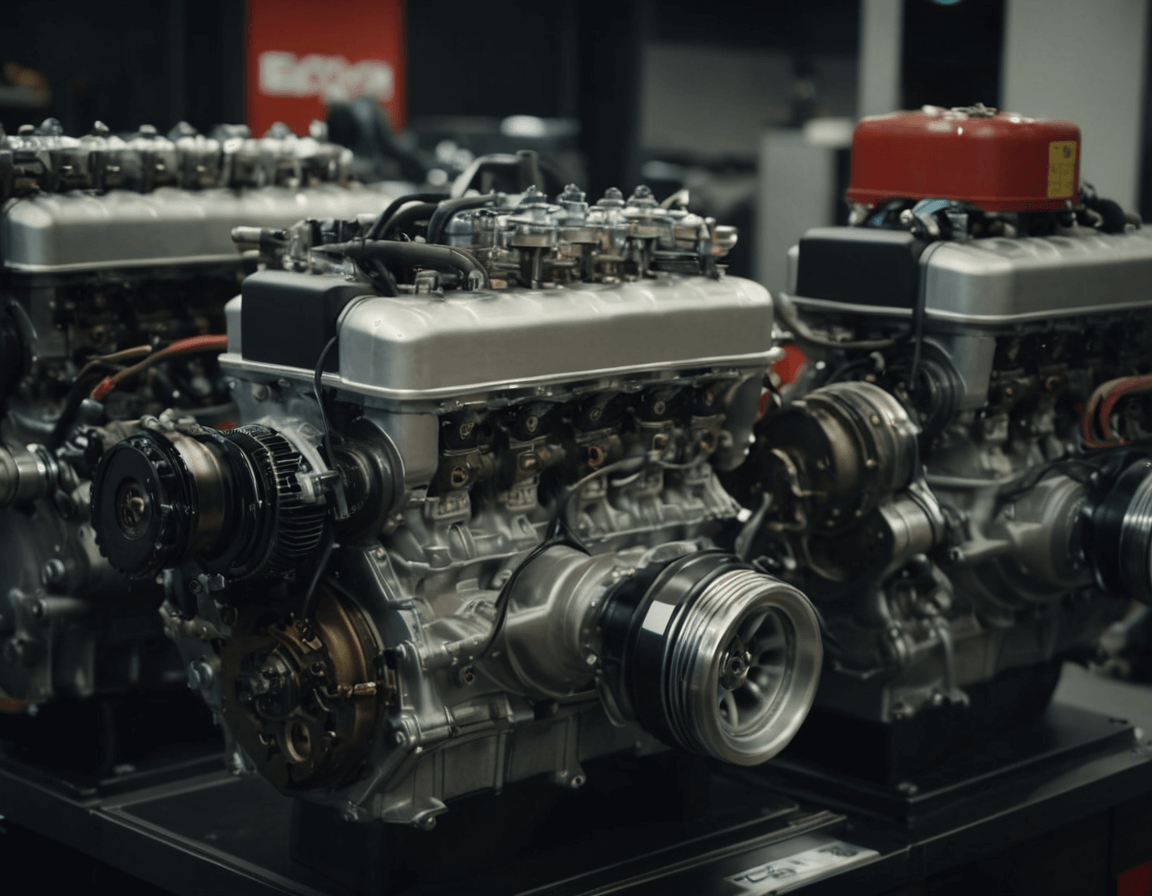
At the heart of hybrid cars lies their innovative technology, which seamlessly integrates electric propulsion with conventional gasoline engines. There are two main types of hybrid systems:
Parallel Hybrid: In this setup, both the electric motor and the gasoline engine are connected to the transmission and can power the vehicle independently or simultaneously. The electric motor assists the engine during acceleration, reducing fuel consumption and emissions.
Series Hybrid: In this configuration, the gasoline engine serves solely as a generator, charging the batteries that power the electric motor. The electric motor drives the wheels, providing propulsion, while the engine operates at its most efficient speed, optimizing fuel efficiency.
Benefits of Hybrid Cars
Hybrid cars offer a range of benefits compared to traditional gasoline-powered vehicles:
Improved Fuel Efficiency: By combining electric propulsion with gasoline engines, hybrid cars achieve higher fuel efficiency, resulting in reduced fuel consumption and lower operating costs.
Lower Emissions: With electric motors supplementing or replacing gasoline engines, hybrid cars produce fewer emissions, contributing to cleaner air and reduced environmental impact.
Regenerative Braking: Hybrid cars utilize regenerative braking technology, which captures energy during braking and stores it in the battery for later use. This feature enhances efficiency and extends the vehicle's range.
Quiet Operation: Electric motors operate silently, providing a smoother and quieter driving experience compared to conventional engines, enhancing comfort for passengers and reducing noise pollution.
Challenges and Considerations
While hybrid cars offer numerous benefits, they also present some challenges and considerations:
Higher Initial Cost: Hybrid vehicles often come with a higher upfront cost compared to traditional gasoline-powered cars, although this expense may be offset by long-term fuel savings and potential tax incentives.
Limited Electric Range: Most hybrid cars have a limited electric-only range, relying on gasoline engines for longer trips. However, advancements in battery technology are continually extending the electric range of hybrid vehicles.
Complexity of Technology: Hybrid systems involve complex technology, which may require specialized maintenance and repairs. Owners should ensure access to qualified technicians and service centers for proper care and maintenance.
Shaping the Future of Mobility
Hybrid cars represent a significant step towards a more sustainable and environmentally friendly transportation future. As automakers continue to invest in hybrid technology and develop more advanced models, the popularity and adoption of hybrid vehicles are expected to increase. With their combination of fuel efficiency, reduced emissions, and innovative technology, hybrid cars are poised to play a pivotal role in shaping the future of mobility and driving towards a greener tomorrow.