Car Sharing: Sustainable Mobility and Social Benefits
Introduction
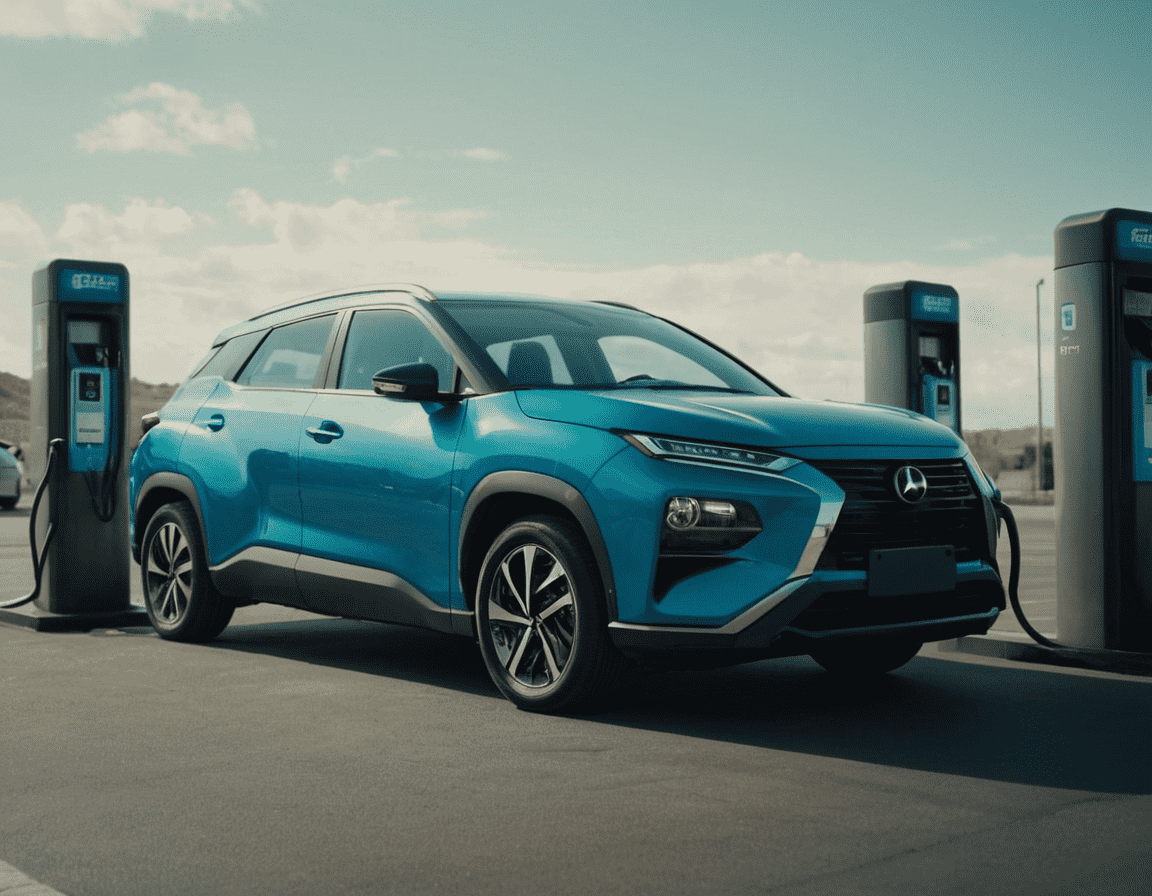
Car sharing is a form of shared mobility that is gaining increasing popularity in cities worldwide. This service allows users to rent a car for short periods, paying only for the time actually used. Car sharing offers several advantages, including reducing traffic, CO2 emissions, and transportation costs. In this article, we will explore what car sharing is, the different models available, its benefits, and the challenges it faces.
What is Car Sharing?
Car sharing is a service that allows the use of a car in a shared manner. Users can book a car through an online platform or app, use it for the necessary time, and then return it to a designated station or specific area of the city. There are various car sharing models, each with different characteristics to meet users' needs.
Car Sharing Models
Round-Trip Car Sharing:
Description: Users pick up and return the car at the same location. This model is ideal for those who need a car for an entire day or for round trips.
Examples: Zipcar, Uhaul Car Share.
One-Way Car Sharing:
Description: Users can pick up the car at one point and return it at another. This model is useful for one-way trips or urban commuting.
Examples: Car2Go, DriveNow.
Free-Floating Car Sharing:
Description: Cars can be picked up and returned at any point within a designated area, without fixed stations. This model offers great flexibility.
Examples: Share Now, Enjoy.
Peer-to-Peer (P2P) Car Sharing:
Description: Private car owners make their vehicles available when they are not using them. Users can book these cars through an online platform.
Examples: Turo, Getaround.
Benefits of Car Sharing
Reduction of Traffic and Pollution:
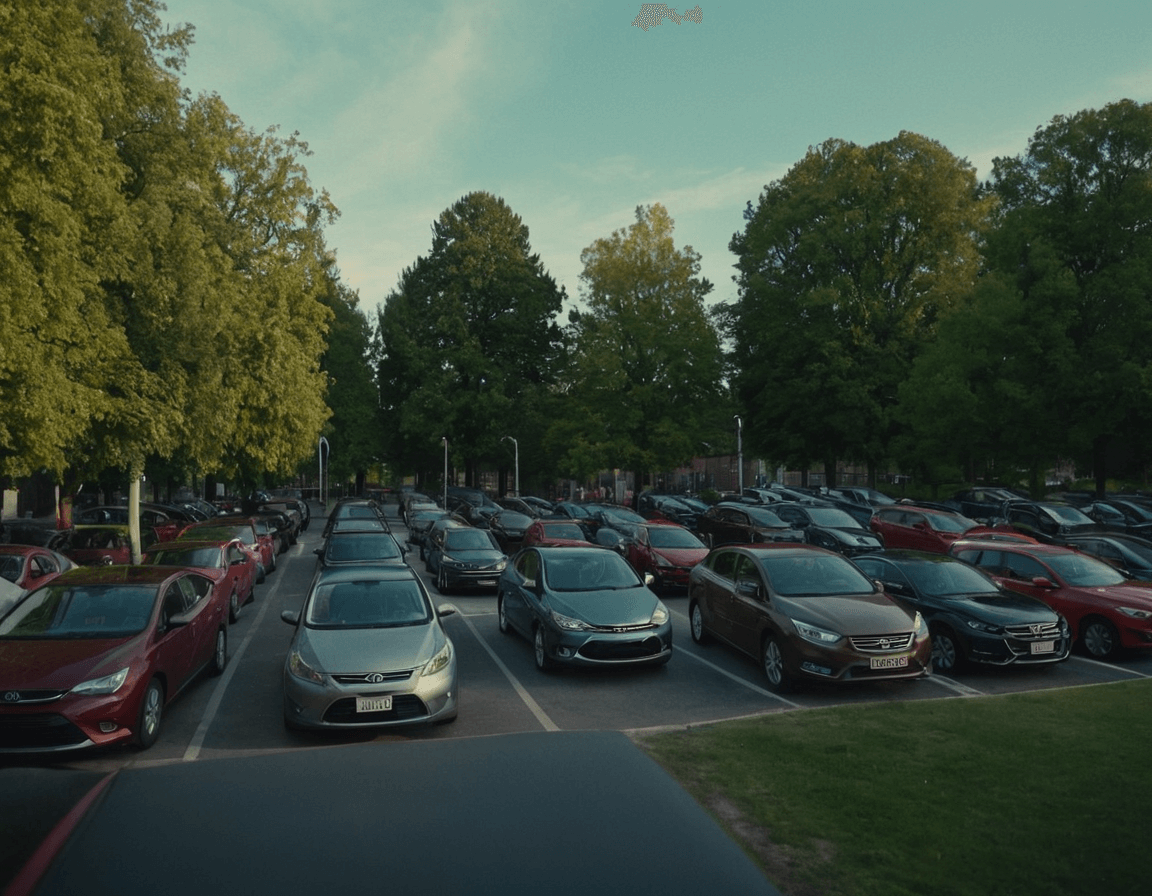
Fewer Cars on the Road: By sharing cars, the number of private vehicles in circulation is reduced, alleviating traffic.
Reduced Emissions: Many car sharing services use electric or hybrid cars, contributing to the reduction of CO2 emissions.
Economic Savings:
Maintenance and Parking Costs: Users do not have to worry about maintenance, insurance, or long-term parking costs.
Pay for Use: Users pay only for the time actually used, making car sharing an economical solution for those who do not need a car every day.
Convenience and Flexibility:
Easy Access: Cars can be booked via apps and are available 24/7.
Variety of Vehicles: Users can choose the type of car that best suits their specific needs, such as a city car for short trips or a larger car for group travel.
Social Benefits:
Inclusive Mobility: Car sharing offers an accessible transportation option for people who cannot afford to own a car.
More Cohesive Communities: It promotes a culture of sharing and sustainability within communities.
Challenges of Car Sharing
Logistics and Availability:
Vehicle Density: The availability of cars can be limited in some areas, making it difficult to find a vehicle during peak times.
Fleet Management: Companies must effectively manage the distribution and maintenance of vehicles to ensure a reliable service.
Operational Costs:
Maintenance and Insurance: The costs of maintaining and insuring vehicles can be high, affecting the profit margins of car sharing companies.
Pricing: Determining competitive yet sustainable pricing can be challenging, especially in markets with strong competition.
Cultural Acceptance:
Changing Habits: Convincing people to give up private car ownership in favor of car sharing can require time and significant cultural changes.
Safety and Trust: Users need to feel safe and trust the system, especially in the case of P2P car sharing.
Future Prospects
Integration with Other Modes of Transport:
Multimodal Mobility: Car sharing could be integrated with other transportation services, such as shared bicycles and scooters, public transport, and ride-hailing services, to create multimodal mobility solutions.
Unified Platforms: Applications that combine various mobility services into a single platform could simplify access to and use of car sharing.
Advanced Technologies:
Autonomous Cars: Autonomous vehicles could revolutionize car sharing, making services even more convenient and accessible.
Artificial Intelligence: The use of artificial intelligence to optimize vehicle distribution and predict demand could improve service efficiency.
Expansion in Emerging Markets:
Global Accessibility: Expanding car sharing in emerging markets could provide sustainable mobility solutions to an increasing number of people.
Local Adaptation: Car sharing models adapted to local needs and infrastructures could positively impact urban mobility in developing countries.
Conclusion
Car sharing represents one of the most promising solutions to address the challenges of sustainable urban mobility. By reducing the number of cars on the road, lowering CO2 emissions, and offering an economical alternative to car ownership, car sharing has the potential to transform the way we move in cities. However, to fully leverage its benefits, it is necessary to address the logistical, cultural, and economic challenges that limit its spread. With the continuous advancement of technologies and the evolution of mobility habits, the future of car sharing looks promising and full of opportunities.