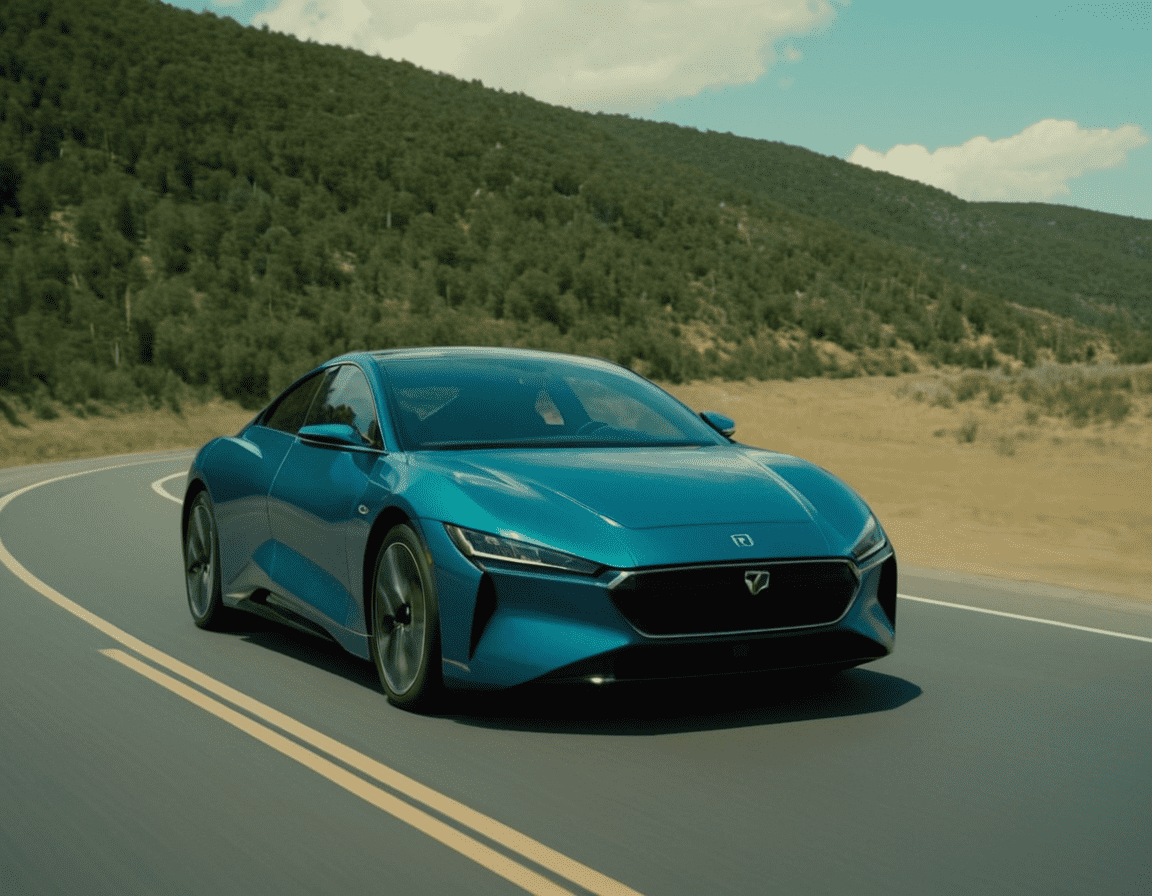
The Rise of Hydrogen Cars: Towards Sustainable and Clean Mobility

With increasing concerns about air pollution and climate change, the automotive industry is facing an unprecedented challenge to develop cleaner and more sustainable technologies. Among these, hydrogen cars emerge as one of the most promising solutions to reduce greenhouse gas emissions and promote zero-emission mobility. In this article, we will explore the potential of hydrogen cars, their distinctive features, and the challenges they face for widespread adoption.
How Hydrogen Cars Work
Hydrogen cars, or fuel cell vehicles, use fuel cells to convert hydrogen into electricity, powering the vehicle's electric motor. The only byproduct of this process is water, making hydrogen cars an eco-friendly zero-emission option when fueled with hydrogen produced from renewable sources.
Advantages of Hydrogen Cars
Hydrogen cars offer several advantages over traditional internal combustion vehicles and even battery electric vehicles:
Range and Refueling Speed: Hydrogen cars offer a range similar to gasoline and diesel vehicles and can be refueled in a matter of minutes, similar to the time needed to fill a fuel tank.
Zero Emissions: Since the only byproduct of the hydrogen combustion process is water, hydrogen cars do not emit harmful greenhouse gases, contributing to reducing air pollution and slowing down climate change.
Versatility: Hydrogen cars can be used in a wide range of applications, including light vehicles, buses, trucks, and even trains, offering a sustainable solution for road and rail transport.
Challenges to Overcome
Despite their advantages, hydrogen cars still need to overcome some challenges before widespread adoption:
Refueling Infrastructure: Currently, hydrogen refueling stations are limited and scattered, making it difficult for drivers to find convenient refueling points.
High Costs: Hydrogen cars are still relatively expensive to produce compared to traditional internal combustion vehicles and battery electric vehicles, making them less accessible to the average consumer.
Hydrogen Production: Hydrogen production requires energy, which currently mainly comes from non-renewable sources like natural gas. Developing more sustainable hydrogen production methods is essential to ensure the true positive impact of hydrogen cars on the environment.
Conclusions
Hydrogen cars represent a promising alternative to traditional internal combustion vehicles and battery electric vehicles, offering a clean and sustainable mobility option. However, to fully realize their potential, continued commitment is needed to develop refueling infrastructures, reduce production costs, and promote hydrogen production from renewable sources. With further investments and innovations, hydrogen cars could become a significant part of the automotive landscape of the future, contributing to creating a cleaner and more sustainable world for future generations.