Virtual Reality and Education
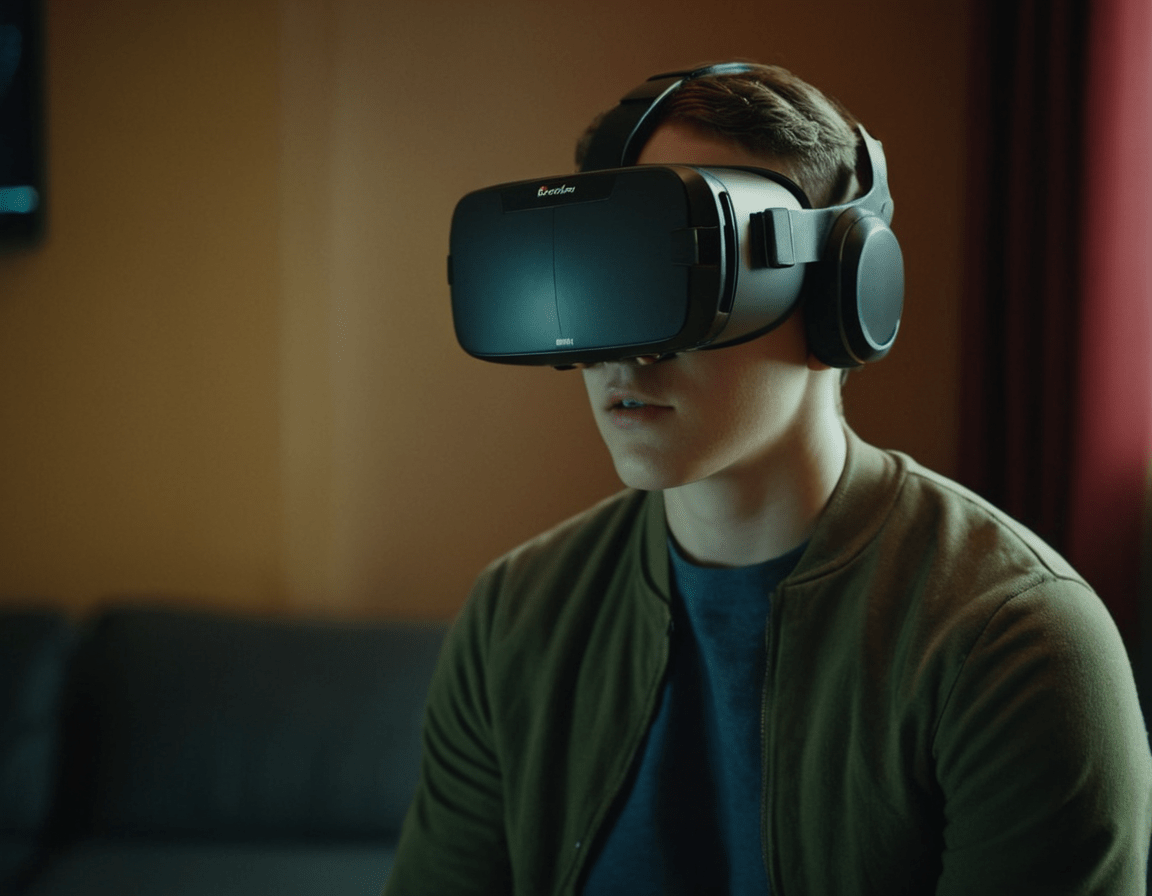
Virtual reality (VR) is revolutionizing the field of education, offering new and engaging learning opportunities. VR allows students to immerse themselves in simulated environments, making education more interactive and stimulating. Here is an overview of the benefits, practical applications, and challenges of using virtual reality in education.
Benefits of Virtual Reality in Education
Immersive Learning:
Description: VR creates three-dimensional environments that engage students more deeply than traditional methods.
Example: Students can explore ancient civilizations or the solar system as if they were actually there.
Increased Motivation and Engagement:
Description: The use of VR can make learning more fun and engaging, increasing student motivation.
Example: Science lessons can become hands-on experiences in virtual labs.
Experiential Learning:
Description: VR allows students to learn through direct experience, facilitating the understanding of complex concepts.
Example: Medical students can practice surgeries in a safe and controlled environment.
Accessibility and Inclusion:
Description: VR can be used to create learning environments accessible to students with diverse abilities.
Example: Students with physical disabilities can participate in virtual field trips to otherwise inaccessible locations.
Collaboration and Social Learning:
Description: VR facilitates collaboration among students, allowing them to work together in virtual environments.
Example: Students can collaborate on group projects in virtual worlds, regardless of their geographical location.
Practical Applications of VR in Education
Simulations and Training:
Description: Using VR to simulate real-life scenarios for professional training.
Example: Training for airplane pilots, firefighters, and medical personnel.
Virtual Field Trips:
Description: Virtual school trips to museums, art galleries, national parks, and historical sites.
Example: Exploring the Louvre or visiting the pyramids of Giza without leaving the classroom.
Virtual Labs:
Description: Creating virtual science labs where students can conduct experiments without risks.
Example: Virtual chemistry labs where students can safely mix chemicals.
Language Learning:
Description: Immersion in virtual environments where students can practice a foreign language.
Example: Conversations with virtual native speakers in everyday situations.
Special Education:
Description: VR tools to help students with special educational needs develop social and cognitive skills.
Example: Virtual environments that simulate social situations for students with autism.
Challenges of Implementing VR in Education
High Costs:
Description: Purchasing and maintaining VR hardware and software can be expensive.
Solution: Seek external funding, grants, and partnerships with technology companies.
Teacher Training:
Description: Teachers need to be adequately trained to effectively integrate VR into the curriculum.
Solution: Offer training courses and ongoing professional development for teachers.
Technical Issues:
Description: The use of VR can involve technical problems, such as hardware malfunctions or software compatibility.
Solution: Have dedicated technical support and regularly update equipment.
Accessibility:
Description: Not all students may have access to VR technology due to economic or geographical limitations.
Solution: Implement VR solutions in public libraries and community centers to broaden access.
Cybersecurity and Privacy:
Description: The use of VR involves risks related to data security and student privacy.
Solution: Implement strict security protocols and train teachers and students in digital safety practices.
Future of VR in Education
The use of virtual reality in education is expected to grow, with potential developments including:
Integration with Artificial Intelligence (AI): Creating personalized learning environments that adapt to the individual needs of students.
Global Virtual Classrooms: Real-time international classes and collaborations through VR platforms.
Continuing Education and Professional Training: Expanding the use of VR for continuous education and professional development in various sectors.
Virtual reality offers an innovative and effective way to enhance education, making learning more interactive, accessible, and engaging. By adopting VR solutions, schools can better prepare students for the future, equipping them with the skills needed to excel in a constantly evolving world.