The Art of Wood Carving and Decoration: Creating Beauty from Nature
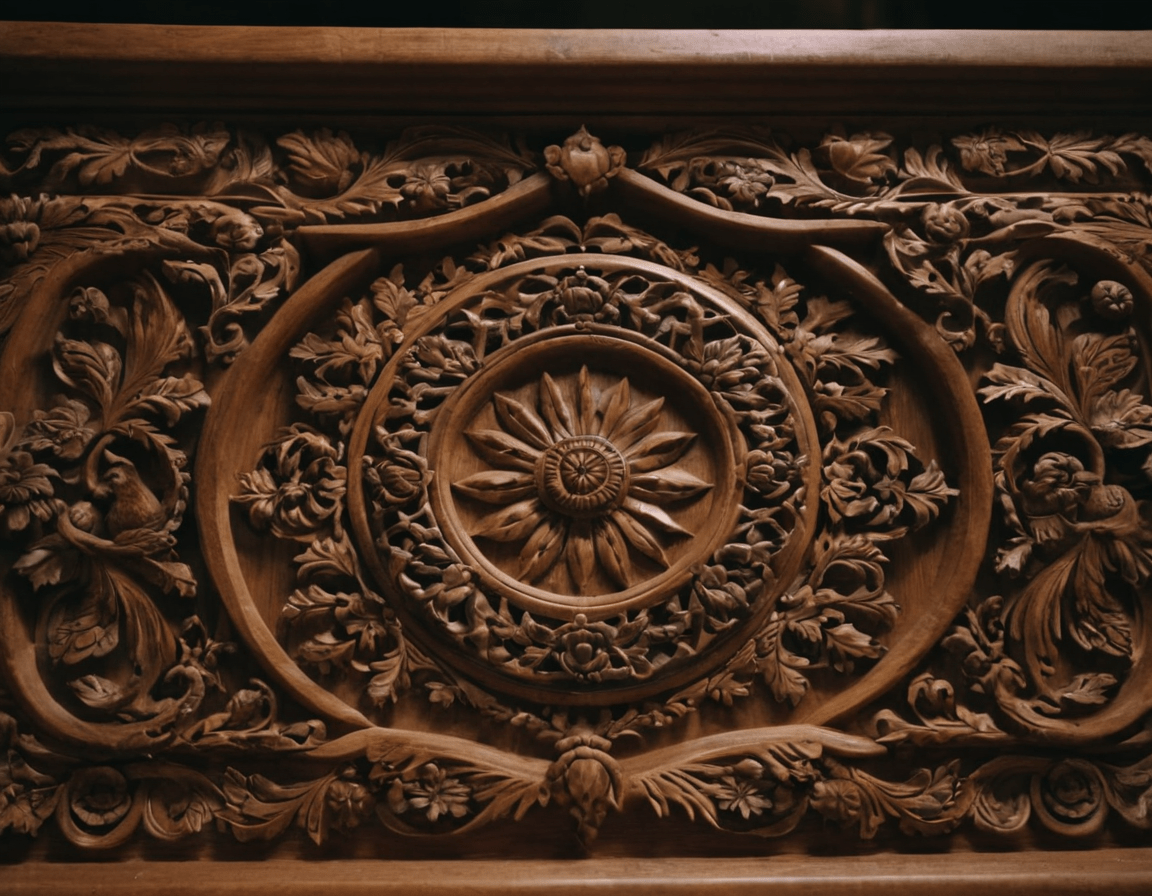
Wood carving and decoration are ancient crafts practiced by artisans for centuries. From intricate sculptures to finely detailed furniture, woodworking has the ability to captivate and inspire with its natural beauty. In this article, we will explore the timeless art of wood carving and decoration, delving into techniques, tools, and the creative process behind these crafts.
Exploring Wood Carving:
Wood carving is the art of shaping wood into intricate designs and forms using various hand tools. From simple whittling to complex relief carving, this craft offers endless possibilities for creativity and expression. Here are some key aspects of wood carving to consider:
Tools of the Trade: Wood carving requires a set of specialized tools, including carving knives, gouges, chisels, and mallets. Each tool serves a specific purpose, allowing the carver to create different textures, shapes, and details in the wood.
Choosing the Right Wood: The type of wood used for carving can greatly impact the final result. Softwoods like pine and cedar are easier to carve and are ideal for beginners, while hardwoods like oak and walnut offer durability and fine grain for more intricate projects.
Design and Planning: Before beginning a carving project, it's important to have a clear design in mind. Sketch your design on paper or directly onto the wood surface, outlining the shapes and details you wish to carve.
Techniques and Styles: Wood carving encompasses a wide range of techniques and styles, from traditional relief carving to more contemporary abstract forms. Experiment with different carving techniques to find your own unique style and approach.
Patience and Practice: Wood carving requires patience and practice to master. Start with simple projects and gradually work your way up to more complex designs as you gain confidence and skill.
Finishing Touches: Once the carving is complete, finish the wood with sandpaper to smooth the surface and remove any rough edges. You can then apply a stain, sealant, or wax to enhance the natural beauty of the wood and protect the carving for years to come.
Embracing Wood Decoration:
In addition to carving, wood can also be adorned and embellished through various decorative techniques. Whether it's painting, pyrography, or gilding, these methods allow artisans to add color, texture, and detail to their wooden creations. Here's a closer look at wood decoration:
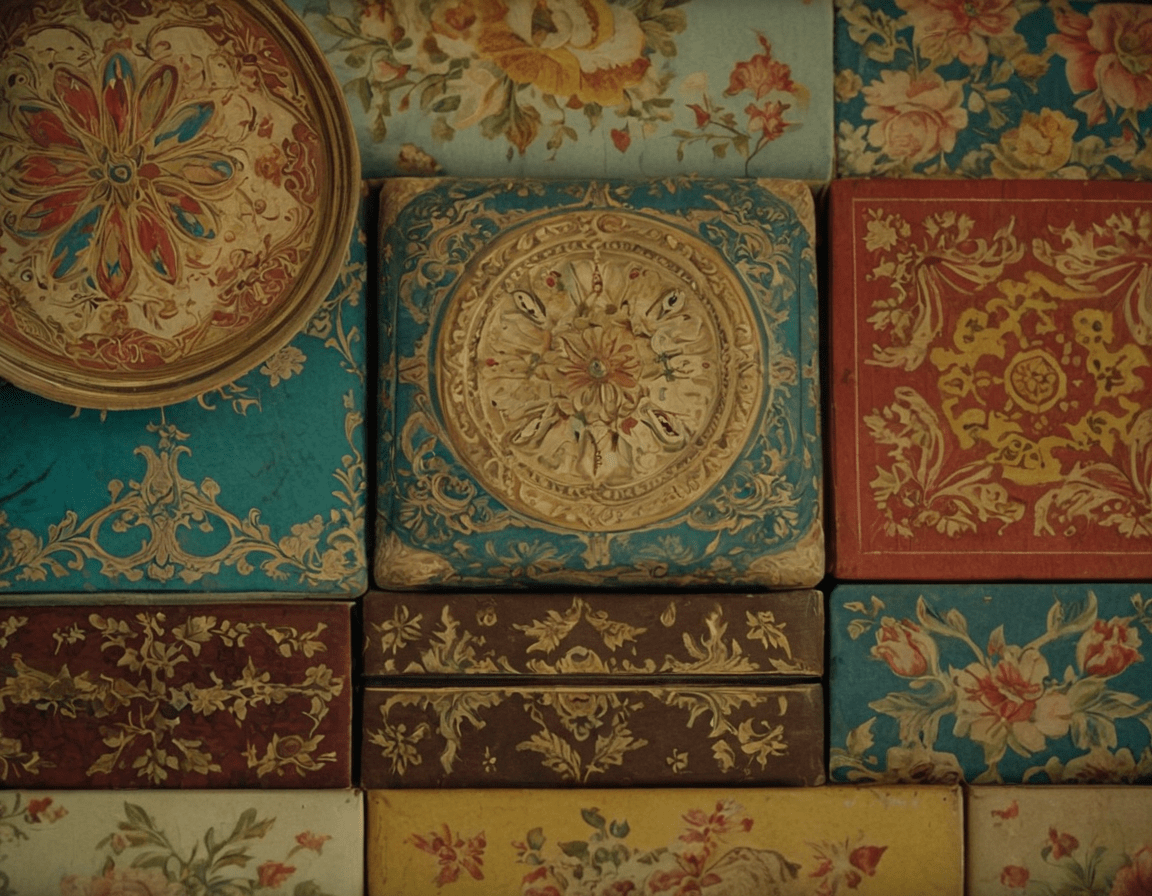
Painting: Painting on wood is a versatile technique that allows artists to add vibrant colors and intricate designs to their creations. Acrylic and oil paints are commonly used for wood painting, while techniques like watercolor and ink washes can create more subtle effects.
Pyrography: Pyrography, or wood burning, involves using a heated metal tool to burn designs onto the surface of the wood. This technique can create rich, detailed patterns and images, ranging from simple outlines to complex shading and textures.
Gilding: Gilding is the process of applying thin sheets of gold leaf or metallic foil to the surface of the wood. This technique adds a luxurious and decorative element to wooden objects, creating a stunning visual impact.
Inlay and Marquetry: Inlay and marquetry are decorative techniques that involve adding pieces of contrasting wood, metal, or other materials to the surface of the wood to create intricate patterns and designs. These techniques require precision and skill but can result in breathtakingly beautiful creations.
Staining and Varnishing: Staining and varnishing are finishing techniques that can enhance the natural color and grain of the wood while also providing protection against moisture and wear. Different stains and varnishes can create a range of effects, from glossy to matte finishes.
The Creative Journey:
Whether you're carving a figurine, painting a mural, or gilding a frame, working with wood offers a deeply rewarding creative experience. Each piece of wood has its own unique character and personality, waiting to be revealed by the hands of a skilled artisan. As you embark on your own wood carving and decoration journey, remember to embrace the beauty of imperfection and allow your creativity to flow freely. With time, patience, and practice, you'll discover the endless possibilities of this timeless craft, transforming raw materials into works of art that will be cherished for generations to come.