Decoupage: A Creative and Versatile Art
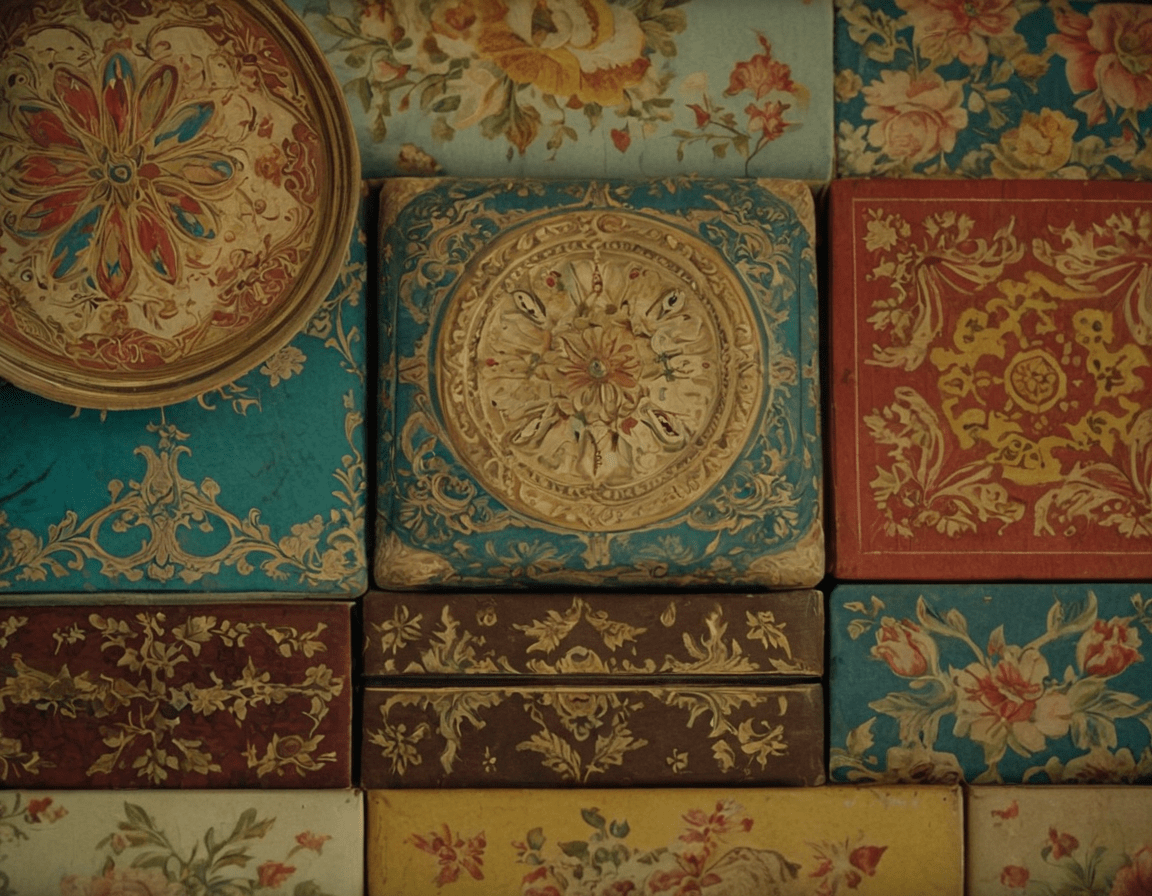
Decoupage, a decorative art with deep roots in the history of craftsmanship, remains a beloved and practiced form of art by many enthusiasts worldwide. This technique, which involves applying paper cutouts or images onto various surfaces, offers endless creative possibilities and lends itself well to a wide range of projects, from simple to intricate.
Origins and History
The origins of decoupage trace back to ancient times, where it was practiced in China, Egypt, and Persia. However, it was in 17th-century Europe that decoupage began gaining popularity, becoming a common pastime among aristocratic classes. Initially used to decorate furniture, household objects, and even walls, decoupage quickly evolved into a refined and fashionable art form.
During the 19th century, decoupage underwent further development, especially in France, where it became particularly popular among bohemian artists and intellectuals of the time. In the following years, the practice spread throughout Europe and beyond, eventually reaching America, where it became an integral part of popular culture.
Techniques and Materials
One of the reasons why decoupage remains so beloved is its accessibility and versatility. The basic techniques are relatively simple to learn, allowing beginners to achieve satisfying results from the early stages.
To start a decoupage project, only a few basic materials are needed:
Object to decorate (such as a vase, box, or plate)
Decorative paper or printed images
Decoupage glue
Brush
Clear protective varnish (optional)
Decoupage techniques can vary depending on the type of surface and desired effects. For example, decoupage on glass requires the use of transparent glue to ensure the image remains visible and intact, while decoupage on wood may require the application of multiple layers of varnish to protect the surface.
Creative Applications
One of the most fascinating aspects of decoupage is its ability to transform common objects into unique and personalized works of art. From home décor items to party decorations, handmade gifts, and collectible art objects, the creative possibilities are virtually endless.
Some popular examples of decoupage projects include:
Decorating jewelry boxes or gift boxes
Customizing vases for flowers or storage jars
Creating canvas art paintings
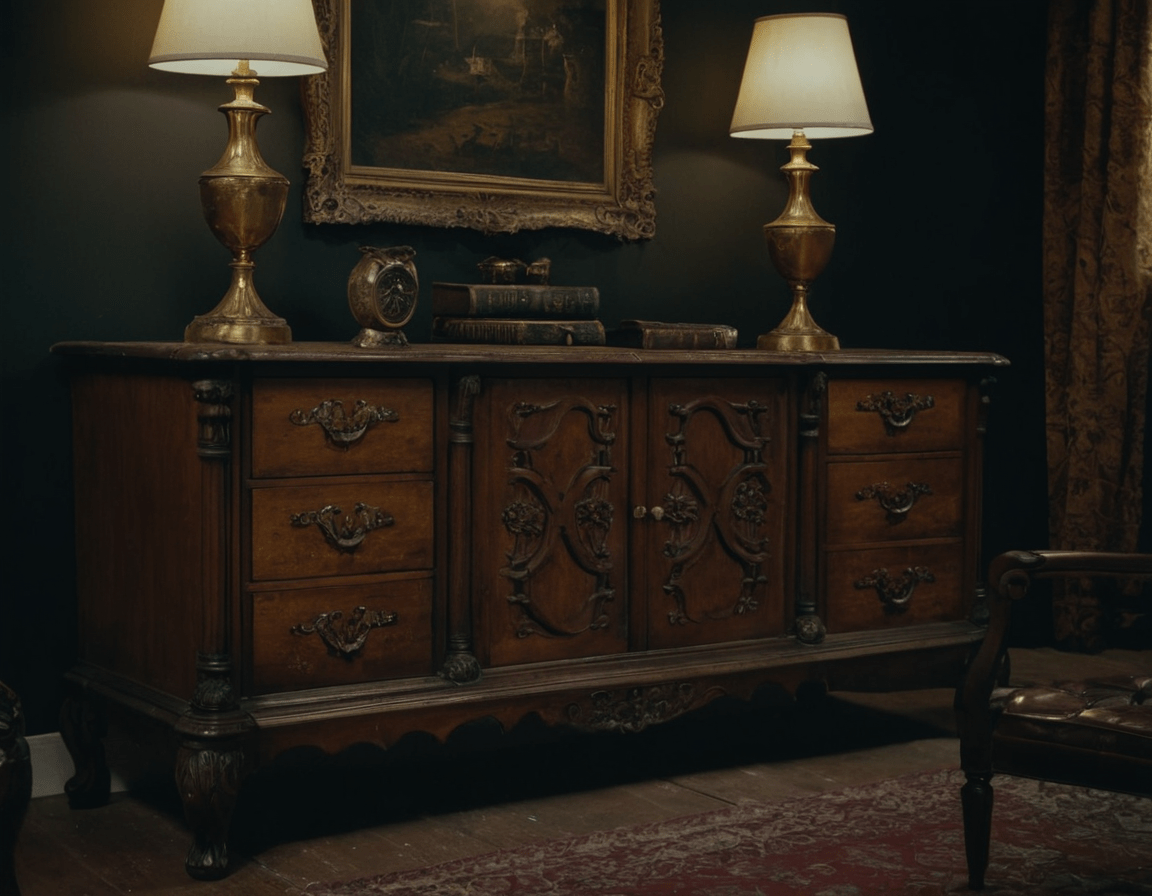
Decorating furniture such as tables, chairs, and dressers
Crafting greeting cards and invitations for special events
Conclusions
In an era where craftsmanship and creativity are increasingly appreciated, decoupage offers a fascinating and rewarding way to express oneself and enrich life with personalized and meaningful artworks. With its rich history and versatile nature, decoupage continues to inspire artists of all ages and abilities, demonstrating that beauty and creativity can be found everywhere, even in the small details of everyday life.