Restoration and Recovery
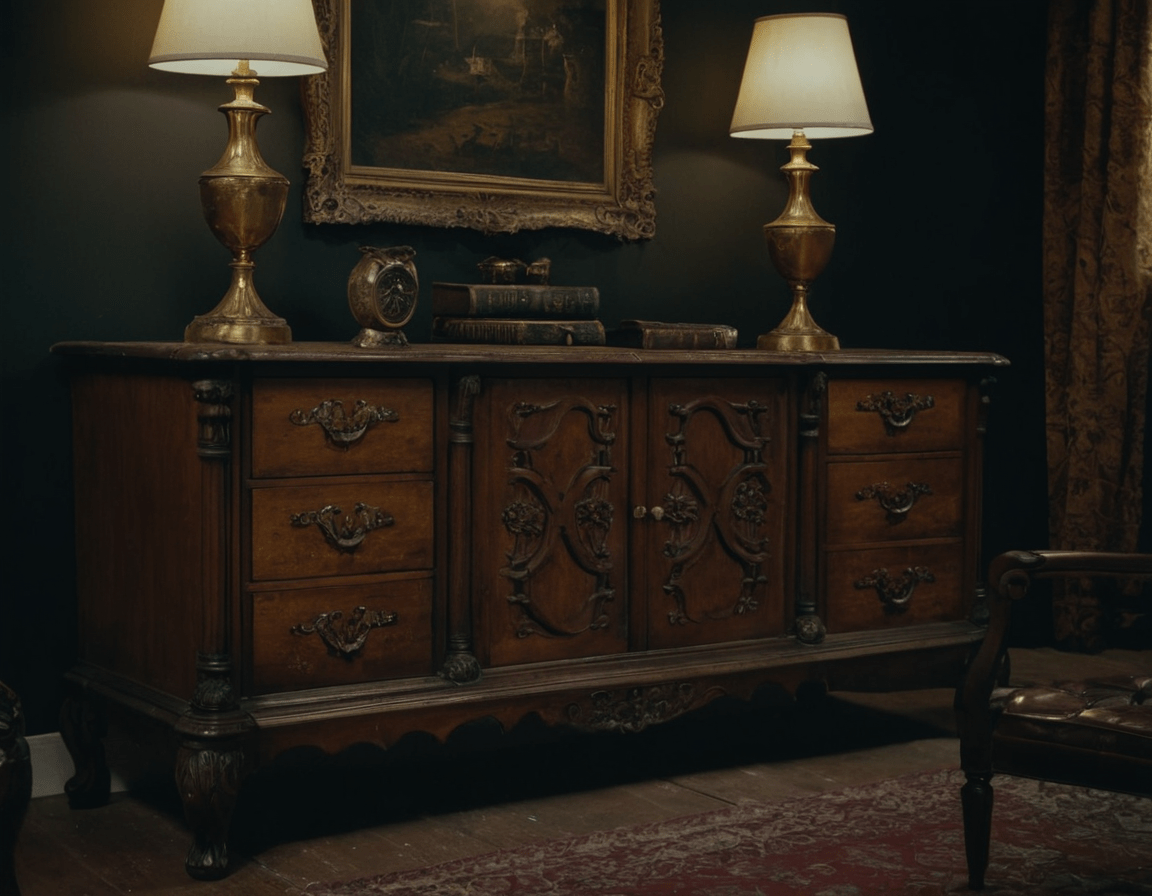
Preparation: Carefully assess the condition of the object to be restored. Take photos from different angles to have a reference before starting the work.
Research: Investigate the type of material you are working with and the restoration techniques specific to that material. There are many online resources and books that can be helpful.
Cleaning: Start with a gentle cleaning to remove dirt and superficial residue. Use mild detergents and non-abrasive tools.
Damage Repair: Identify the damages and plan how to repair them. You may need to fill in cracks, restore missing parts, or reinforce fragile structures.
Reconstruction: If parts of the object are irreparably damaged or missing, you may need to reconstruct them. You can do this using materials compatible with the original.
Finishing: After the repairs, make sure to finish the object so that it has a uniform appearance. This could include sanding, painting, or polishing, depending on the material.
Protection: Apply an appropriate protective coating to preserve the restoration over time. This could be a sealer, a clear varnish, or another type of coating.
Documentation: Document your work with photos and notes. This could be useful in the future for reference or to demonstrate your restoration process.
Conservation: After restoration, store the object appropriately to preserve its condition. Avoid direct exposure to sunlight, moisture, and extreme temperature variations.
Practice and Patience: Restoration takes time, practice, and patience. Take your time and try to learn from your mistakes along the way.
Remember that some more complex repairs may require specialized skills or specific tools, so don't hesitate to seek help if needed. Good luck with your restoration projects!