Formula 1: The Revolution Halfway There
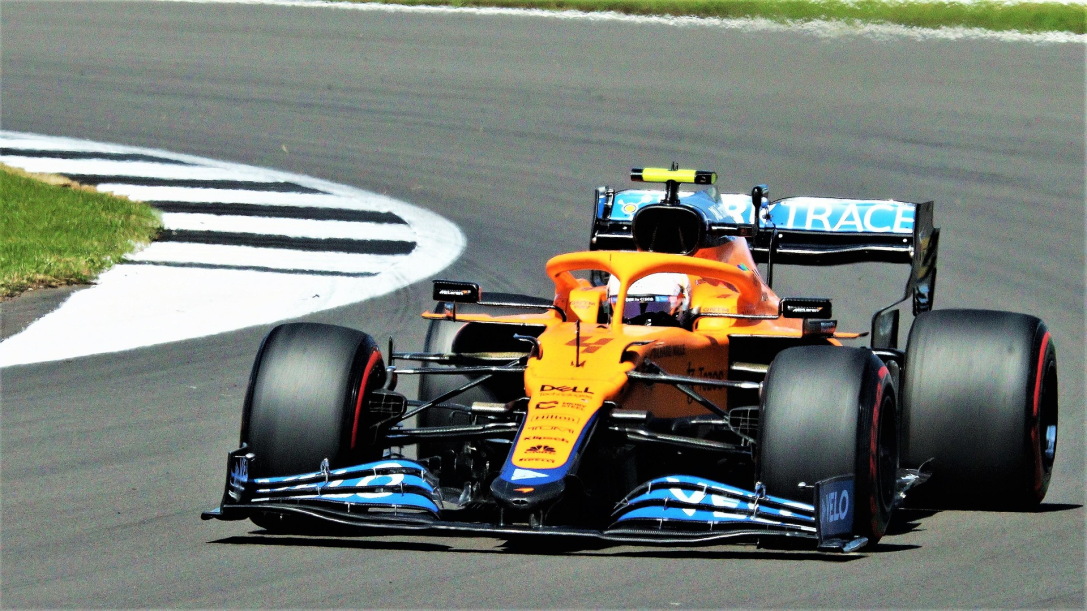
The 2026 Formula 1 season was supposed to be the year of revolution. Lighter, narrower cars, and an engine that was finally a “perfect hybrid”—a blend of internal combustion and electric power: the promise was to put the driver back at the center and bring excitement back to the fans. All it took was the green light in Melbourne to realize that reality, as always, would take a different turn. Amid drivers in revolt, races canceled due to war, a circus that increasingly resembles a theme park, and a federation that basks in its own glory, the 2026 World Championship tells the story of a sport that can no longer decide whether to be a competition or pure entertainment.
The Unreadable Spectacle
It all starts at the very heart of the single-seaters. The new regulations bring the power unit to a perfect balance between combustion and electric power, shifting the technical focus toward battery management rather than pure driving. Fernando Alonso didn’t mince words, arguing that this risks reducing the driver’s role to a marginal one. Verstappen has also joined the chorus of dissenters, and even Hamilton—now with Ferrari—has lamented the Formula 1 of yesteryear, with its roaring engines, describing the new cars as easier to drive but also harder for viewers at home to understand—so much so that he wonders how fans will be able to follow what’s really happening on the track. The paradox is served up on a silver platter: a sport that was meant to be more accessible risks turning into an energy engineering exam disguised as a race.Yet the numbers tell a different story—one that appeals to the top brass. In Melbourne, the number of overtakes nearly tripled compared to the previous season, rising from 45 to 120. Undoubtedly a spectacle, to be sure, but one achieved by sacrificing the technical purity that for decades made Formula 1 an open-air laboratory. Between the “purists” and the “spectacle-seekers”—as the trade press has dubbed them—the divide has widened into a chasm.
The Federation That Applauds Itself
While drivers protest and fans turn up their noses, official Formula 1 takes the easy way out: ignoring the discontent and patting itself on the back. Immediately after the Australian Grand Prix, the series’ official account posted a graphic touting the spectacular nature of the new season, as if the criticism from drivers and fans had never existed. This communication blunder speaks volumes about how the sport’s leadership prefers to craft a winning narrative rather than listen to those who live and breathe the sport every weekend, both inside and outside the cockpit.It’s a radical transformation that divides those in the know. On one hand, there are those who finally see a more spectacular and unpredictable Formula 1. On the other, there are those who fear that electronics and automated systems will end up diminishing the importance of a driver’s raw talent, increasingly turning the Grand Prix into a competition of algorithms and simulations.
The Weight of Sustainability
The most frequently used word in the paddock in recent years has been “sustainability.” The year 2026 represents the ultimate test of this promise.Fully sustainable fuels are expected to drastically reduce environmental impact without sacrificing performance, while the new hybrid power units significantly increase energy efficiency. Formula 1 aims to demonstrate that innovation and environmental responsibility can coexist.Yet the paradox remains evident. The calendar continues to be the longest in history, with races spread across five continents, thousands of intercontinental flights, and a massive organizational machine that moves hundreds of metric tons of equipment every week.The ecological message thus coexists with one of the most logistically complex sporting events. It’s a difficult balance to strike, fueling a debate that is bound to continue well beyond the green light.
An Uncertain Future
This championship represents more than just another racing season: it’s a moment when motorsport is attempting to redefine its future.Like any great revolution, it promises progress, excitement, and innovation. But only the stopwatch will tell us whether the future envisioned by Formula 1 will truly be faster, more sustainable, and more thrilling than the one it has left behind.