The Colosseum of Paradoxes: Power, Money, and Broken Dreams at the 2026 World Cup
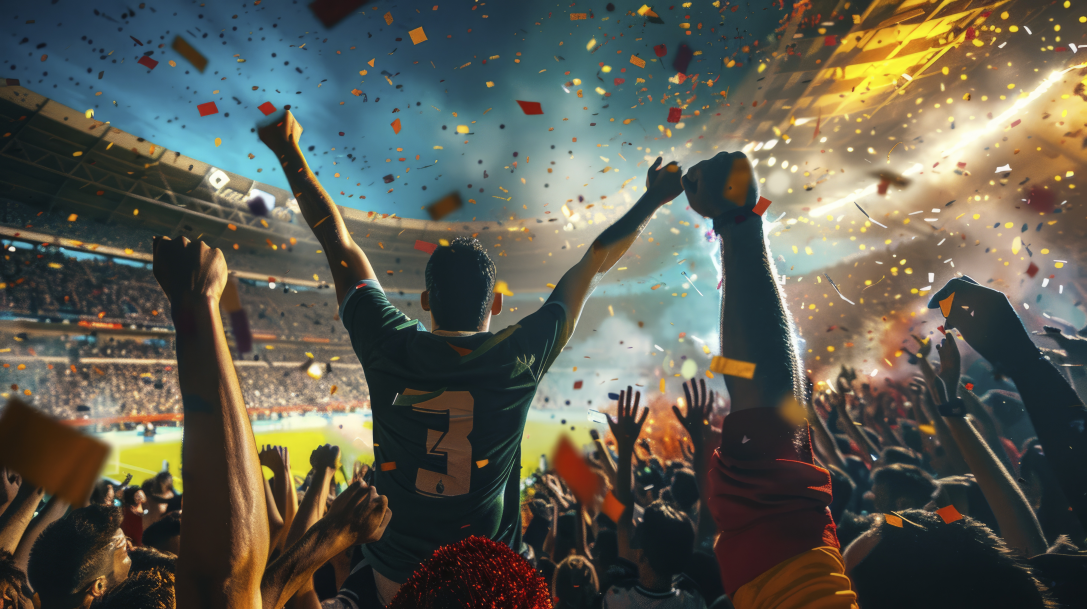
Between the triumph of shocking pink and the shadows of ruthless politics, the three-nation World Cup reflects an era without illusions. *
The 2026 World Cup is the greatest show ever produced on the face of the Earth. And, like any self-respecting blockbuster, it is a mix of dazzling lights and disturbing shadows. Hosted for the first time by three nations – the United States, Canada, and Mexico – this tournament of 104 matches and 48 teams was supposed to be the celebration of sporting globalization. Instead, just days before kick-off, it feels more like a reckoning between ruthless business, geopolitics, and popular passion.
While the pitch promises spectacle, the backdrop is a political thriller that would make John le Carré envious. Starting with the sensational elimination of Italy, missing out for the third consecutive time, the tournament seems intent on telling us an uncomfortable truth: record-breaking football is no longer a game, but a cruel allegory of our times.
The Game of the Powerful
The atmosphere in the North American stadiums is heavy. Beneath the fans' enthusiasm, a much dirtier game than any tackle is being played out. An information mogul and activist who has chosen to remain unnamed to avoid fueling official rhetoric defined these World Cups as "a stage for repression." A harsh judgment, supported by facts.
The Trump administration has turned the entry visa into a real wall. The case of Somali referee Omar Abdulkadir Artan, turned back at Miami's border despite a diplomatic passport, is just the tip of the iceberg . Somalia is considered a "terrorist state," and it matters little if Artan was there to blow the whistle on fouls rather than launch missiles. Iranian fans saw their tickets revoked, while the Iranian delegation – a nation at war with the USA – was forced to stay overnight in Mexico to avoid American soil, facing exhausting journeys . A logistical madness that humiliates the very idea of competition.
And what about the Balogun case, the bomb that risks blowing FIFA's credibility to pieces? The American striker, the tournament's star, receives a straight red card that would cost him a suspension for the round of 16. Too bad the White House has other ideas. Donald Trump, leveraging his friendship with President Infantino, intervenes personally. FIFA, in a plot twist worthy of a movie, turns the suspension into a conditional deferral . A furious UEFA speaks of a "red line" crossed, while Jurgen Klopp thunders: "This is our game, not theirs" . Many are crying scandal: if rules bend to political power, football loses its soul. A soul that seems to have been sold to the highest bidder.
The Pink of Escapism and the Weight of Water
While politics plays chess with the athletes' destinies, the pitch desperately tries to tell another story. The most surprising is the "pink phenomenon." From Messi's boots to the keeper's gloves, passing through Mbappé's socks, electric fuchsia has invaded the green fields of America . It's not a fad. As designers explain, in an era where football is increasingly watched on six-inch screens, pink is the color that guarantees maximum visibility. It's the triumph of marketing over substance, the transformation of the footballer into a pop icon to be showcased on Instagram reels rather than admired for their technique. The ball is no longer just a ball: it's a fashion accessory .
But there is another color that is missing, and that is the color of water. In Mexico, to build or upgrade stadiums, water pipelines for local populations were cut off . While players take to the field in high-tech kits, the poor neighborhoods of Guadalajara and Monterrey suffer thirst for an event that promises development. The paradox is so absurd as to be chilling: the global circus feeds on the lifeblood of local communities. Amnesty International has denounced the risk that these World Cups could become a "platform for authoritarian practices," highlighting how promises of an inclusive tournament have been betrayed by restrictive migration policies and economic exploitation .
The New Face of Football and the Old Exclusion
However, amidst this chaos, some find a glimmer of light. Australia presents itself with a national team that is the perfect mirror of its multicultural present. Players like Nestory Irankunda, son of Burundian refugees born in a refugee camp in Tanzania, wear the Socceroos jersey with the pride of those representing a dream . "Who would have thought?", says Irankunda, incredulous at being the face of a new Australia. His story, together with that of six other players of African origin, is the only authentic message of peace that these World Cups can offer us .
Yet, while celebrating the new frontiers of football, the ghost of the old continent lingers. Italy's absence is not just a sporting loss, but a symbol. The Azzurri, winners of four World Cups, are reduced to being spectators on TV. For Italian fans, following the exploits of others is an exercise in masochism, sharpened by the fact that, had they qualified, they would have found a group that looked manageable on paper . Instead, they are left watching, bitter witnesses to a decline that seems unstoppable.
On the regulatory front, FIFA tries to curb the players' instincts: no hands over the mouth during discussions with the referee, to avoid hiding insults . A decidedly grotesque rule, trying to put a band-aid on a shattered morality, while outside the stadiums the world is falling apart.
The Price of the Dream
These 2026 World Cups are the triumph of gigantism. Tickets costing $12,000, transcontinental trips for fans, stadiums that are cathedrals in the desert . It is football that has devoured its own essence. Controversy is not an incidental issue, but the soundtrack of an edition that will go down in history for its cynicism.
If football truly is the mirror of the world, then this mirror reflects an increasingly divided society, where money and power matter more than rules and fair play. And while shocking pink tries to blind us, reality – made of denied visas, stolen water, and rejected referees – is tougher than the most vicious tackle. Raise your hand who, faced with this spectacle, can still shout "goal" with the same innocence as before.