The Importance of Voting and Democratic Participation: The Role of Citizens in Society
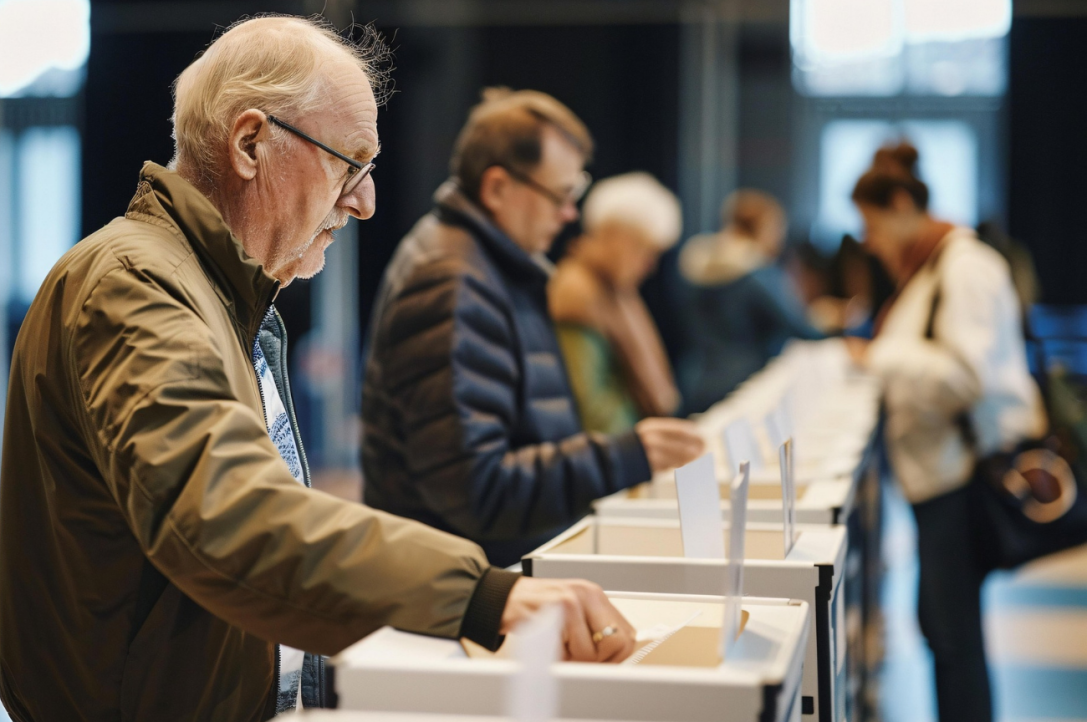
Democratic participation is one of the fundamental principles of a democratic state. Through voting, citizens have the opportunity to express their preferences and contribute to decisions that affect the country’s future. Participating in political life, however, does not simply mean going to the polls during elections, but also staying informed, understanding the institutions, and taking an interest in issues that affect the community. Let’s explore why voting and citizen engagement are so important to the functioning of democracy.
1. The Right to Vote: A Fundamental Principle
Voting is one of the main ways citizens can exercise their democratic participation. In Italy, the Constitution grants the right to vote to all citizens of legal age, establishing that it is personal, equal, free, and secret. Through elections, voters can choose their representatives and contribute to the country’s political direction.
2. Staying Informed Before Voting
Informed participation requires knowledge of the candidates’ campaign platforms, proposals, and positions. Consulting various sources of information, comparing ideas, and delving deeper into the most important issues allows voters to make a reasoned choice, rather than relying solely on impressions or unverified information.
3. The Role of Elections in Democracy
Elections allow citizens to choose their representatives at the local, regional, national, and European levels. Each election has its own specific characteristics and purposes, but all contribute to ensuring the relationship between citizens and institutions, allowing for the periodic renewal of political representation.
4. Participating Beyond the Polling Place
Democracy does not end at the ballot box. Citizens can participate in public life through meetings, associations, local initiatives, debates, and volunteer work. Expressing one’s opinions and contributing to discussions on issues of common interest is also a form of civic participation.
5. Engaging the younger generations
Bringing young people closer to politics and institutions is important for fostering active and informed citizenship. Schools, families, and the media can help spread awareness of rights, duties, and how democracy works, while stimulating interest in social and political issues.
6. Combating Apathy and Misinformation
Low participation and the spread of fake news can make it more difficult to engage in public discourse based on accurate information. For this reason, it is important to develop analytical skills, verify sources, and maintain a critical attitude toward the information being shared, especially on social media.
Democratic participation is essential to the functioning of a free and representative society. Voting, staying informed, and engaging in public life enable citizens to contribute to collective decisions and keep the dialogue with institutions alive. A strong democracy is also built on the awareness and responsibility of every citizen.