The Roman Empire: An Era of Glory and a Lasting Legacy
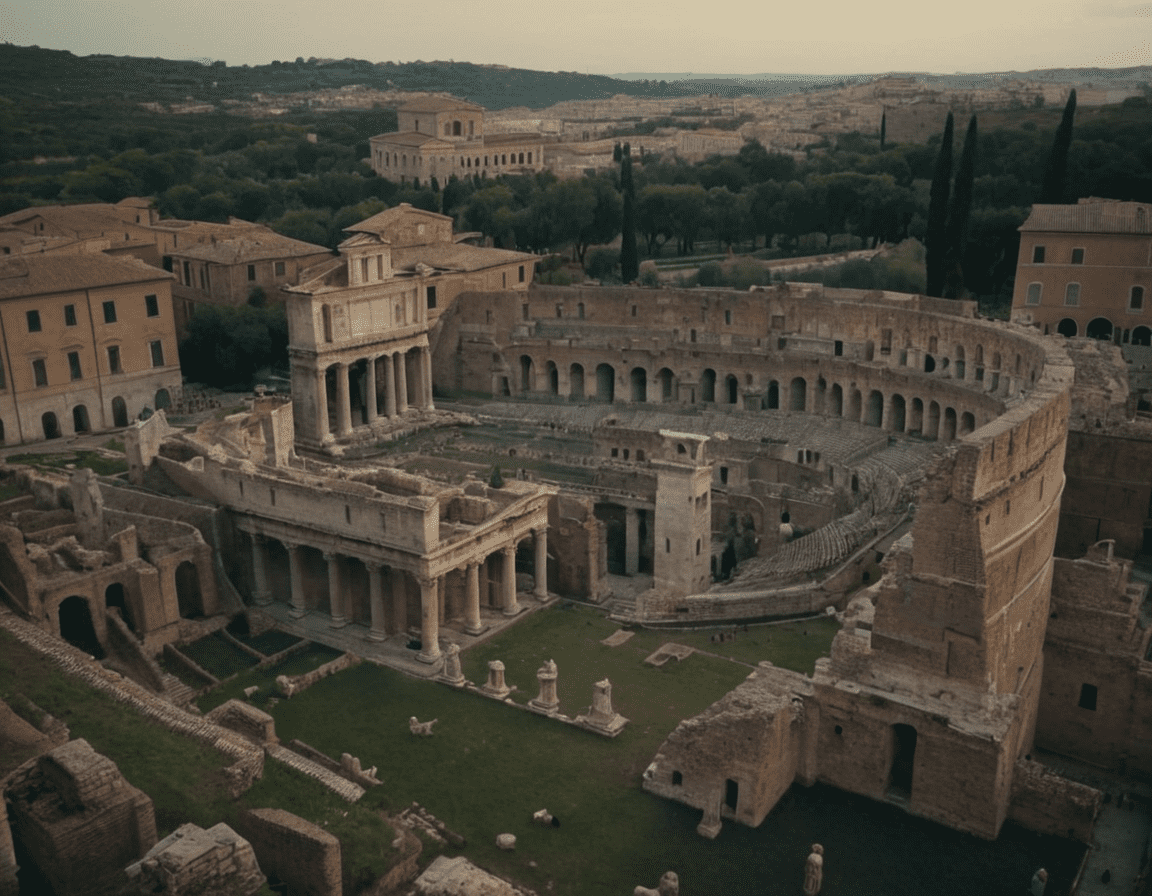
The Roman Empire, one of the greatest civilizations in history, shaped the course of the ancient world and left an indelible mark on culture, politics, and society that endures to this day. In this article, we will explore the rise and fall of the Roman Empire, its vast empire, and its enduring impact on the history of humanity.
Origins and Rise of the Roman Empire
The Roman Empire originated from the Roman Republic, founded in 509 B.C. After centuries of conquests and consolidation of power in Italy and the western Mediterranean, Rome transformed from a city-state into a vast empire that stretched from Western Europe to the Middle East and North Africa. The figure of Julius Caesar and his successor, Augustus, marked a fundamental turning point in Roman history, with the advent of the Principate and the beginning of the Empire.
The Vast Roman Empire
The peak of Roman power was reached in the 2nd century A.D., during the reign of emperors Trajan and Hadrian. The Roman Empire dominated a vast expanse of territories, from Britain to Egypt, and its influence was felt in all aspects of daily life, from politics to culture, from the economy to religion. Roman roads, efficient administration, and Roman law contributed to the cohesion of the empire and its prosperity.
The Fall of the Roman Empire
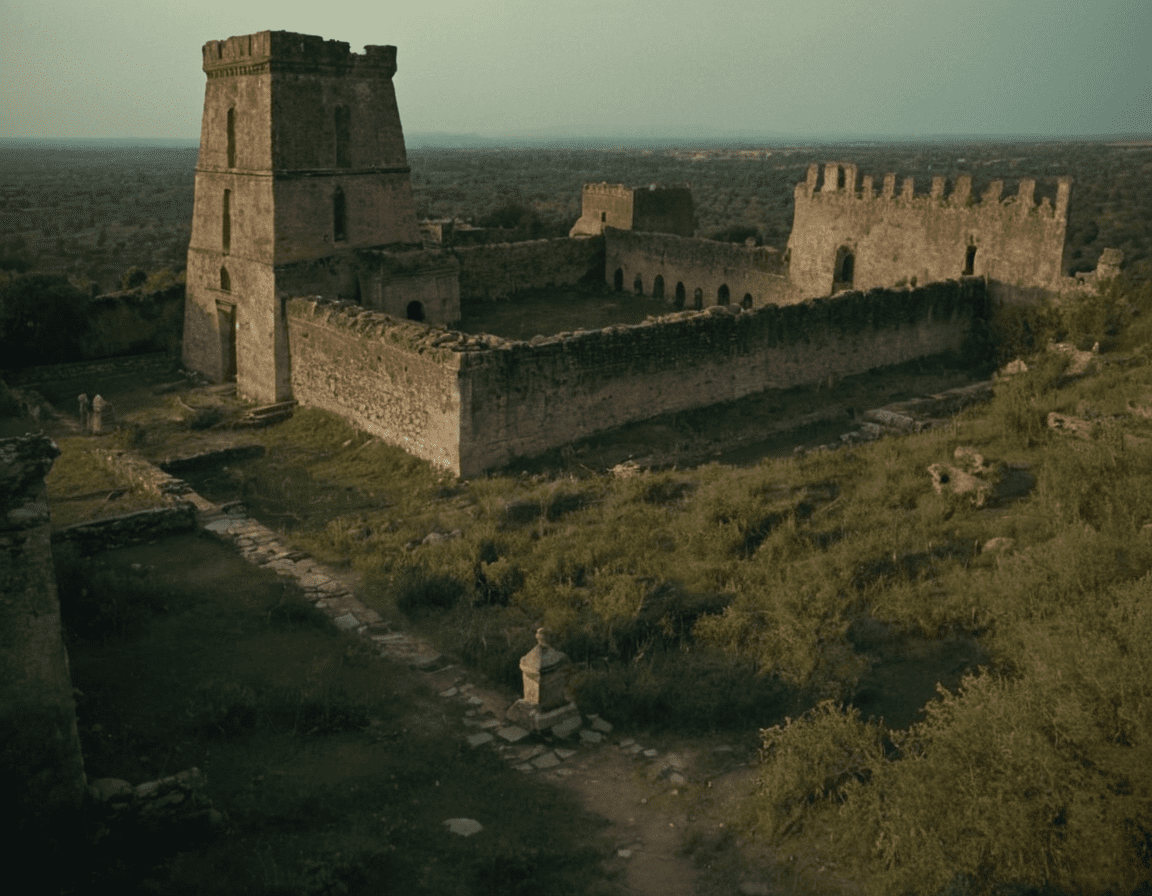
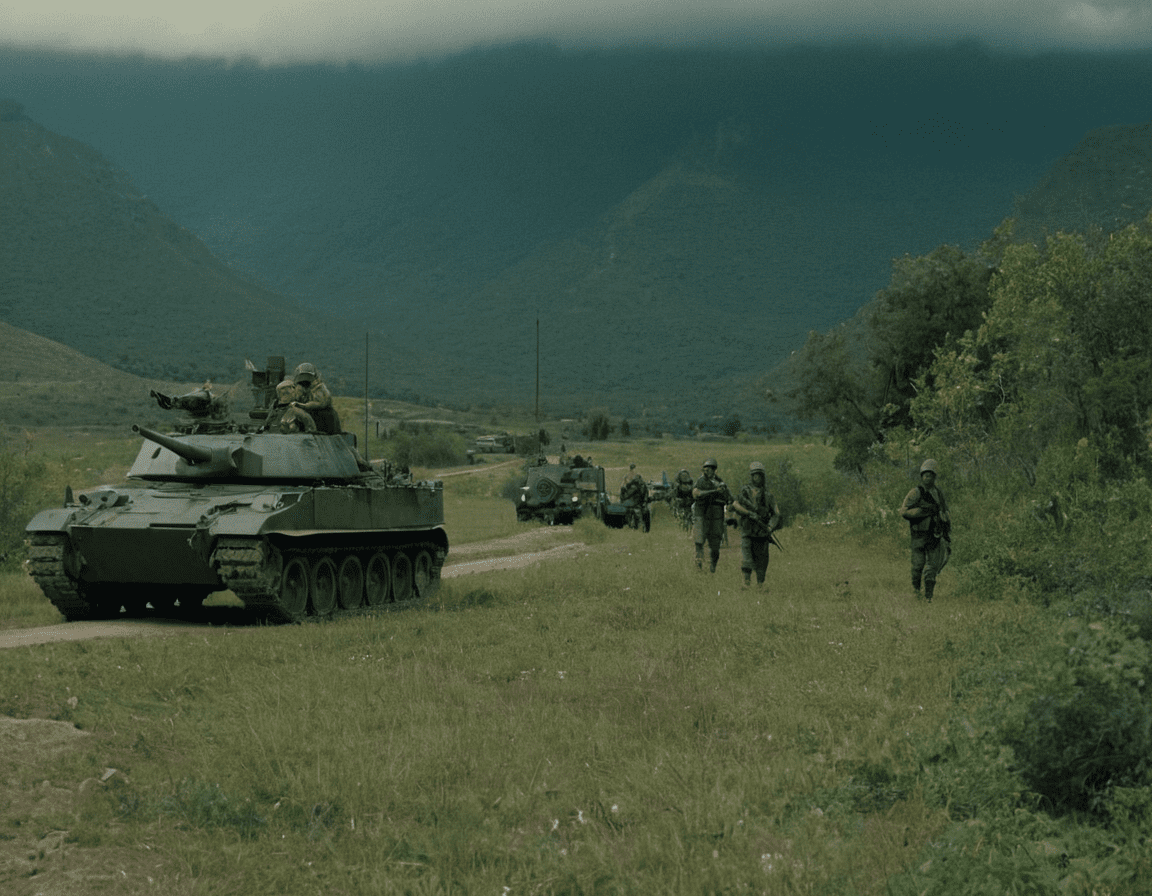
However, the Roman Empire was not immune to internal and external pressures that eventually led to its collapse. Economic decline, barbarian invasions, political corruption, and the division of the empire into West and East contributed to its decline. In 476 A.D., the last Roman emperor of the West, Romulus Augustulus, was deposed, marking the end of the Western Roman Empire. The Eastern Roman Empire, known as the Byzantine Empire, survived for another thousand years before falling to the Ottoman siege in 1453.
Legacy of the Roman Empire
Despite its political fall, the Roman Empire left an indelible mark on world history and culture. Its law, language (Latin), architecture, technology, and system of government profoundly influenced civilizations that followed. The Roman legacy is reflected in the language, law, religion, and culture of many modern nations, especially in Europe and the Western world.
Conclusions
The Roman Empire represents one of the greatest and most influential civilizations in human history. Its rise and fall are a testament to the complexity of human nature and the fragility of imperial power. However, its legacy endures, not only in the physical monuments scattered throughout the Roman world but also in the principles and ideas that have shaped society and culture for centuries after its demise. The Roman Empire remains a subject of study and admiration for historians and history enthusiasts worldwide.