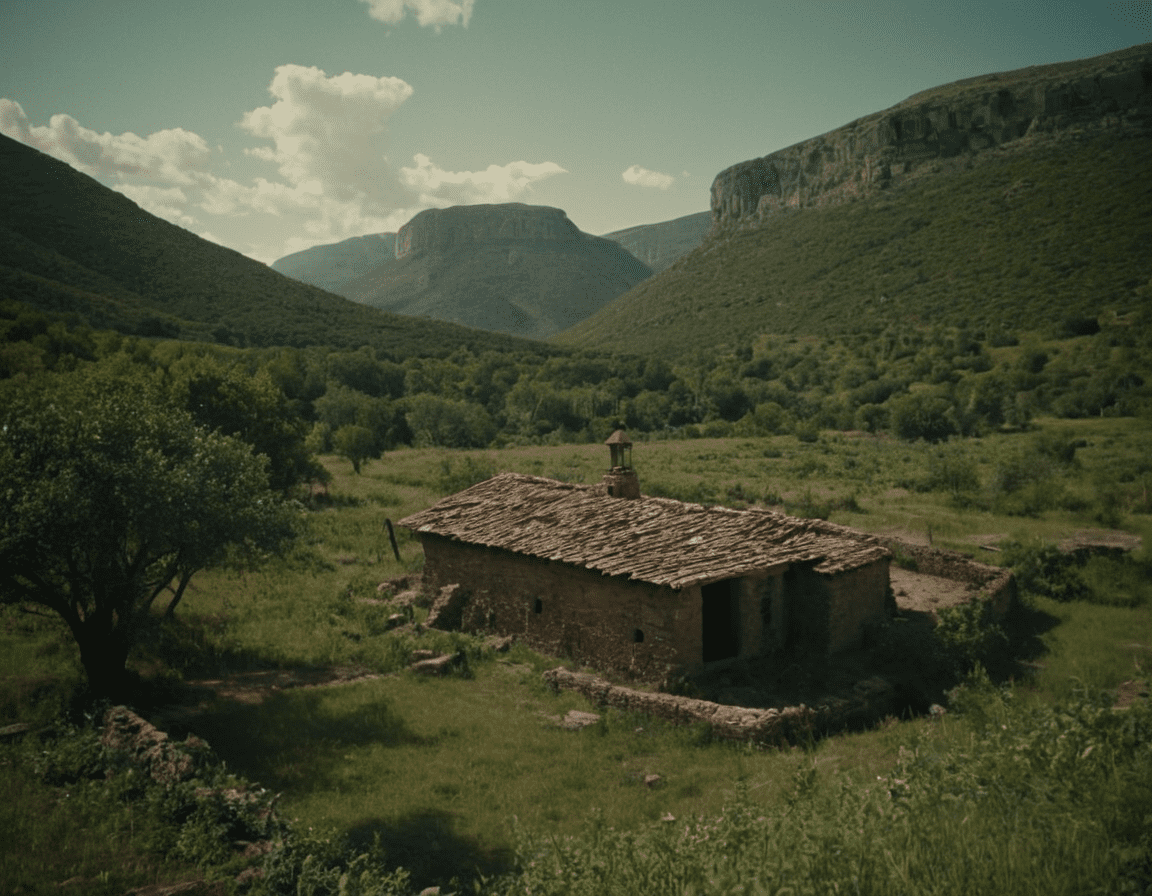
Conservation and Protection of Cultural Heritage: Safeguarding the Past for the Future
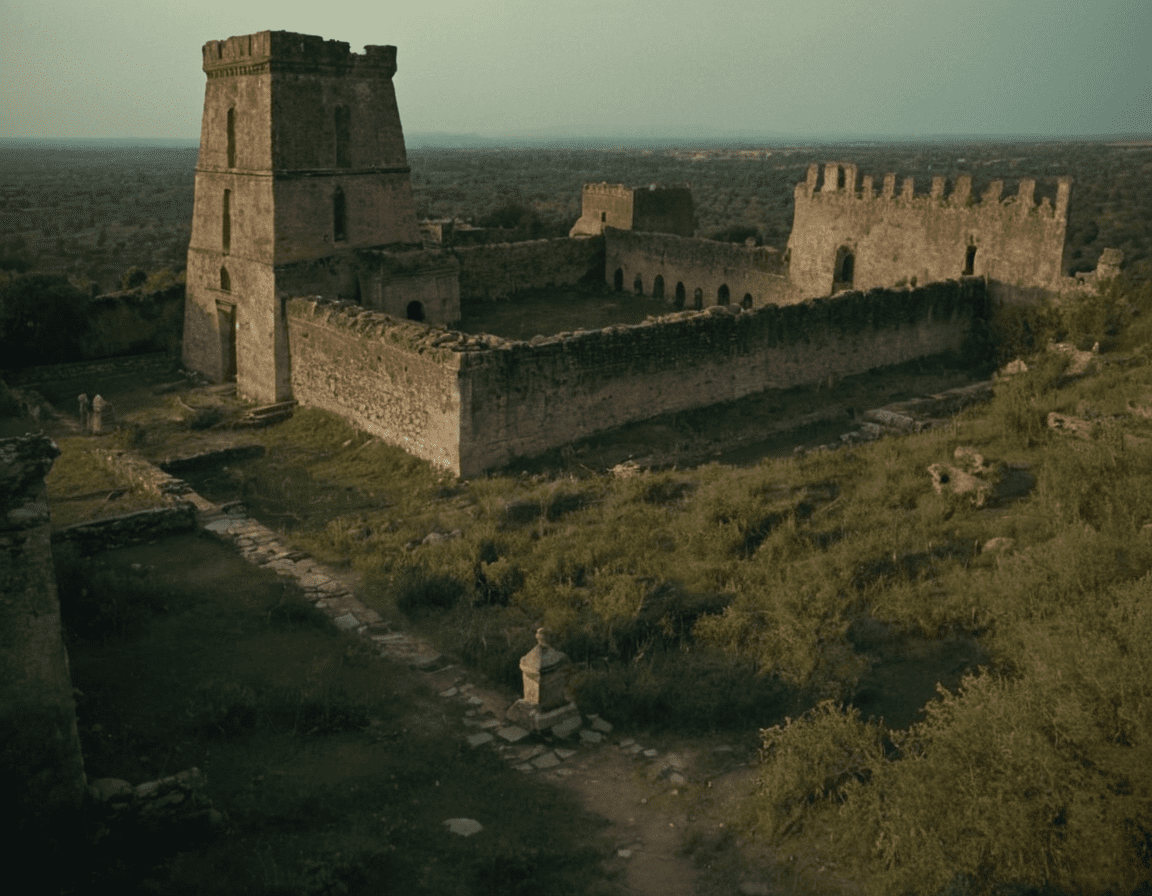
The conservation and protection of cultural heritage are fundamental to preserving the history, identity, and cultural diversity of humanity. Cultural heritage includes both tangible elements, such as historic buildings, monuments, works of art, and archaeological sites, and intangible elements, such as traditions, languages, music, and rituals. Safeguarding this heritage is essential to keep collective memory alive and ensure that future generations can appreciate and learn from the riches of the past.
Importance of Cultural Heritage
Cultural heritage is a testament to the history and traditions of a community. It provides a sense of identity and continuity, connecting people with their historical and cultural roots. Additionally, cultural heritage plays a crucial role in education, offering resources for learning and teaching history and culture.
From an economic perspective, cultural heritage can be a significant source of income through cultural tourism. Historic and cultural sites attract visitors from around the world, contributing to the economic development of local communities.
Threats to Cultural Heritage
Cultural heritage faces various threats, including:
Natural Degradation: Time and weathering can cause the deterioration of the materials that make up cultural assets. Corrosion, erosion, humidity, and natural disasters can severely damage historical sites and objects.
Human Activities: Urbanization, industrial development, mass tourism, and wars represent serious threats to cultural heritage. Unplanned construction can destroy historic sites, while armed conflicts often lead to the deliberate destruction of monuments and artworks.
Vandalism and Theft: Cultural assets are often targets of vandalism and theft. The illegal trade in archaeological artifacts and artworks robs valuable cultural elements from their communities of origin.
Neglect and Lack of Resources: The lack of funds and resources for conservation can lead to the deterioration of cultural assets. Many historic sites and museums struggle to maintain and restore their collections due to limited budgets.
Conservation Strategies
To protect and preserve cultural heritage, effective and sustainable strategies are necessary:
Documentation and Research: Accurate documentation of cultural assets is fundamental for their conservation. Continuous research allows for a better understanding of materials, construction techniques, and environmental conditions, providing the basis for effective restoration interventions.
Conservation Technologies: Advanced technologies, such as 3D modeling, environmental monitoring sensors, and non-invasive restoration techniques, can significantly improve the conservation of cultural assets.
Education and Awareness: Educating the public about the importance of cultural heritage and involving local communities in its protection is crucial. Educational programs, awareness campaigns, and community participation can strengthen the sense of collective responsibility towards heritage conservation.
Legislation and Policies: National and international laws and regulations are essential for protecting cultural heritage. Organizations like UNESCO work to promote international cooperation and establish standards for the conservation and protection of heritage.
Partnerships and Collaborations: Collaboration among governments, non-governmental organizations, academic institutions, and local communities is fundamental for the success of conservation initiatives. Public-private partnerships can mobilize resources and expertise for large-scale conservation projects.
Examples of Best Practices
Restoration of the Sistine Chapel: The restoration of the Sistine Chapel in the Vatican is an excellent example of how advanced technologies and international collaboration can preserve a masterpiece of world cultural heritage. Restorers used innovative techniques to clean and conserve Michelangelo's frescoes, ensuring that future generations can admire this work of art.
UNESCO World Heritage Program: UNESCO has identified and protected thousands of sites of exceptional cultural and natural value worldwide. This program has raised public awareness about the importance of heritage conservation and mobilized resources for the protection of these sites.
Conclusion
The conservation and protection of cultural heritage are essential to preserving the history, identity, and cultural diversity of humanity. Through documentation, the use of advanced technologies, education, legislation, and international collaboration, we can ensure that the riches of our past are transmitted to future generations. Protecting cultural heritage is not only a duty towards our past but also an investment in our future, so that it continues to inspire and enrich the lives of all.