Conflicts and Wars: Causes, Consequences, and Solutions
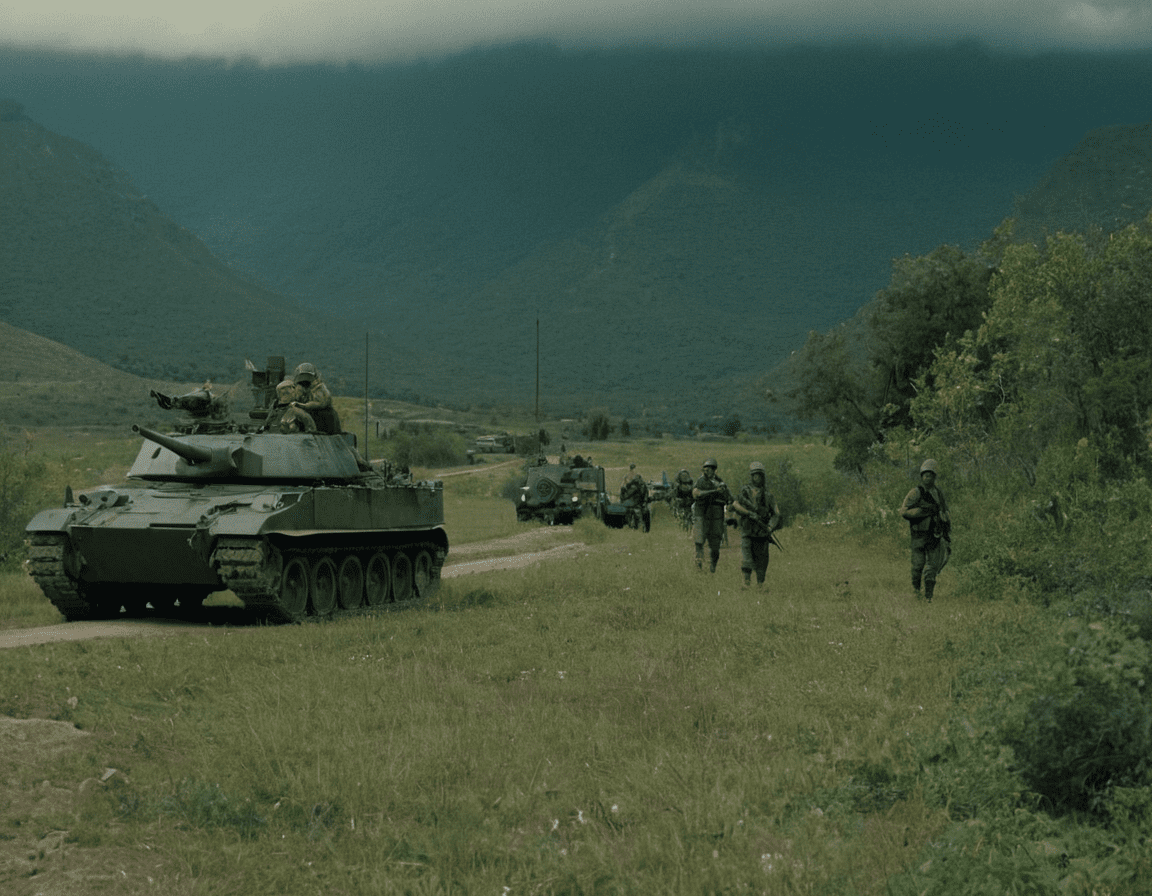
Conflicts and wars have marked the history of humanity, shaping nations, cultures, and civilizations. Although humans have always sought peace, political, economic, and social tensions often lead to violent clashes. This article explores the causes of conflicts and wars, their devastating consequences, and possible solutions to promote peace and stability.
Causes of Conflicts and Wars
Natural Resources: Competition for resources such as land, water, minerals, and fossil fuels is a major cause of conflicts. Access to these resources can determine a nation's prosperity or survival, leading to tensions and confrontations.
Ethnic and Religious Rivalries: Ethnic and religious differences can create deep divisions within a society. When these differences are exploited for political or economic purposes, they can erupt into violent conflicts.
Economic and Social Inequality: Economic and social disparities can generate frustration and resentment, especially when a part of the population feels excluded from economic and political benefits. This can lead to uprisings and civil wars.
Political Control and Power: Struggles for political power, both within a country and between nations, often lead to conflicts. Authoritarian regimes, coups, and wars for independence are examples of how the pursuit of power can escalate into violence.
Territoriality: Disputes over borders and territorial sovereignty are frequent causes of war. History is full of examples of nations fighting for territorial expansion or control of strategic areas.
Consequences of Conflicts and Wars
Humanitarian Losses: Wars cause enormous loss of human life, injuries, and psychological trauma. Innocent civilians often pay the highest price, with millions displaced and becoming refugees.
Economic Destruction: Conflicts destroy infrastructure, reduce economic productivity, and lead to prolonged recessions. Post-war reconstruction requires significant resources and can take decades.
Political Instability: Wars destabilize governments and institutions, often leading to periods of instability and chaos. The lack of order can foster the growth of extremist and terrorist groups.
Environmental Damage: Military operations cause severe environmental damage, contaminating land and water, destroying forests, and natural resources. Environmental consequences can last long after the conflict has ended.
Erosion of Human Rights: During conflicts, human rights are frequently violated. Torture, summary executions, rape, and other atrocities are tragically common.
Solutions to Promote Peace
Diplomacy and Dialogue: Diplomacy and dialogue are fundamental tools for preventing and resolving conflicts. Negotiation and international mediation can help find peaceful and lasting solutions.
Social and Economic Justice: Addressing economic and social inequalities can reduce tensions that lead to conflicts. Policies of inclusion and equitable development are essential for building more stable societies.
Strengthening Democratic Institutions: Transparent and accountable governments, free and fair elections, and respect for the rule of law are crucial for preventing power struggles and political violence.
Peace Education: Promoting a culture of peace through education can help build future generations that value dialogue and cooperation over violence.
International Cooperation: International organizations like the United Nations play a crucial role in maintaining global peace and security. Cooperation among nations is essential for preventing conflicts and resolving them peacefully.
Conclusion
Conflicts and wars are among the most severe challenges facing humanity. Understanding the deep-rooted causes and devastating consequences of these confrontations is essential for finding effective solutions. Through diplomacy, social justice, strengthening democratic institutions, peace education, and international cooperation, we can work together to build a more peaceful and just world for all people. Peace is not just the absence of war, but a continuous commitment to the dignity, equality, and prosperity of all peoples.