Conservation of Collective Memory: A Commitment to the Future
Collective memory represents the shared memories, experiences, and knowledge of a community or society. It forms the foundation of cultural and social identity, providing a sense of continuity and belonging. The conservation of collective memory is essential not only to preserve the past but also to build an aware and cohesive future. This article explores the importance of collective memory, the challenges in its conservation, and strategies to ensure its transmission to future generations.
Importance of Collective Memory
Identity and Belonging: Collective memory helps shape the identity of a social group. Through sharing stories, traditions, and values, people recognize themselves as part of a larger community, reinforcing the sense of belonging.
Lessons from the Past: Knowing and understanding historical events allows us to learn from past mistakes and successes. Collective memory offers valuable lessons that can guide future decisions and actions.
Social Cohesion: Collective memory acts as a social glue, uniting people around common experiences and symbols. This contributes to building a more harmonious and supportive society.
Culture and Traditions: Cultural practices, festivals, and rituals are integral parts of collective memory. Their conservation is crucial for keeping cultural diversity alive and passing down intangible heritage.
Challenges in the Conservation of Collective Memory
Erosion of Memory: Time and forgetting can erode collective memory, leading to the loss of valuable knowledge and traditions. Without adequate conservation measures, many aspects of cultural heritage risk disappearing.
Globalization: Increasing global interconnectedness can lead to cultural homogenization, threatening local identities and unique traditions. The challenge is to find a balance between openness to the world and preserving one's roots.
Conflicts and Disasters: Armed conflicts and natural disasters can destroy archives, monuments, and other symbols of collective memory. Post-conflict reconstruction requires significant efforts to recover and preserve cultural heritage.
Technology and Innovation: Although technology offers advanced tools for conservation, the adoption of new techniques can be slow and costly. Additionally, the rapid pace of technological change requires constant updates and specialized training.
Strategies for the Conservation of Collective Memory
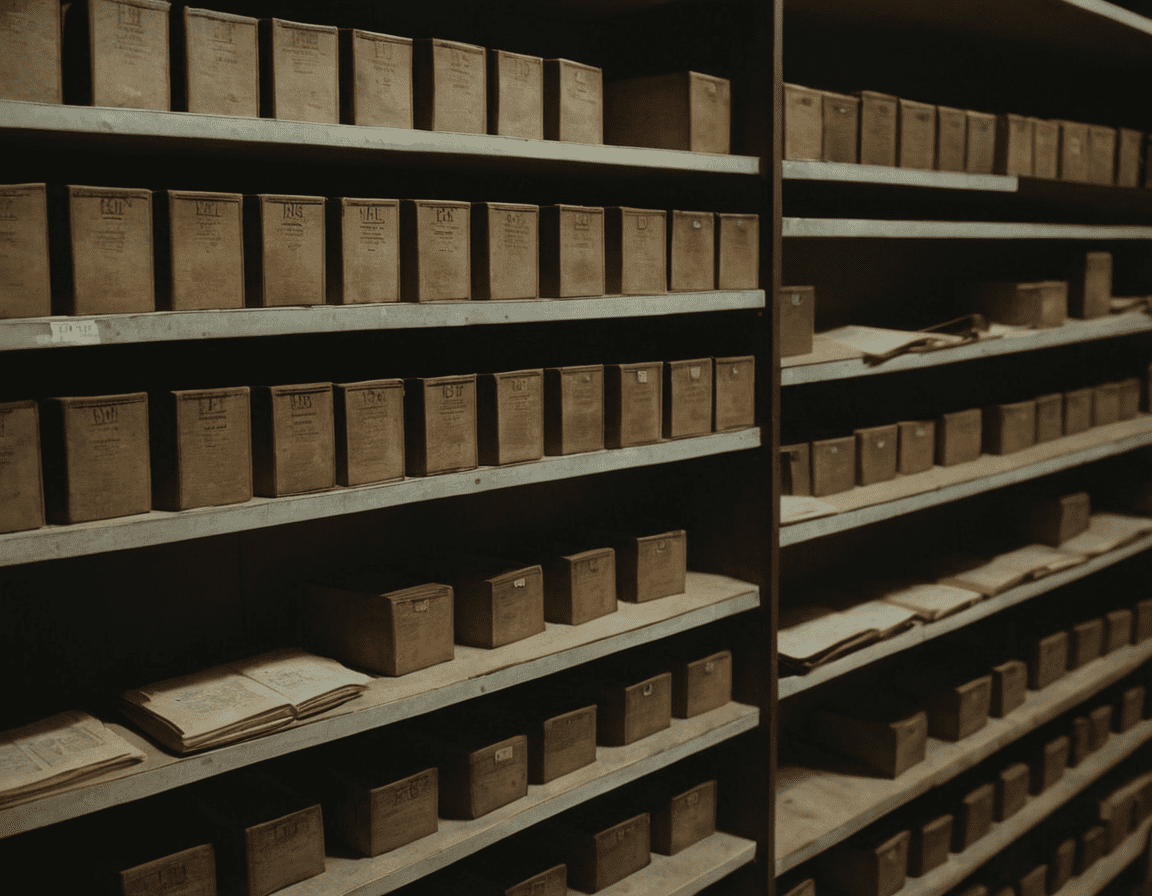
Documentation and Archiving: Creating well-organized and accessible archives is fundamental for the conservation of collective memory. Digitizing documents, photographs, and sound recordings can preserve valuable information and make it easily accessible.
Education and Awareness: Educating new generations about the importance of collective memory is essential. Schools, museums, and cultural institutions play a key role in transmitting cultural heritage through educational programs and awareness initiatives.
Community Participation: Involving local communities in the conservation of their collective memory strengthens the sense of responsibility and belonging. Participatory projects, such as collecting oral testimonies and valuing local traditions, can mobilize valuable resources and knowledge.
Use of Advanced Technologies: Modern technologies, such as augmented reality, virtual reality, and mobile applications, can make collective memory more accessible and interactive. These tools offer new ways to explore and enjoy cultural heritage.
Protection Policies and Funding: Government and institutional support is crucial for the conservation of collective memory. Cultural heritage protection policies and dedicated funding can encourage conservation projects and ensure adequate resources.
Examples of Good Practices
Oral History Projects: In many communities, collecting oral testimonies has preserved stories and experiences that would otherwise have been lost. These projects give voice to often marginalized people and groups, enriching collective memory with diverse perspectives.
Digital Archives: Initiatives like Europeana and the Digital Public Library of America have made millions of historical documents, images, and recordings available online, facilitating global access to collective memory.
Recognition of Intangible Heritage: UNESCO created the Intangible Cultural Heritage List to protect and promote traditions, rituals, and cultural practices worldwide, highlighting the importance of collective memory in keeping cultural diversity alive.
Conclusion
The conservation of collective memory is a fundamental commitment to preserving a society's identity, culture, and history. Through documentation, education, community participation, and the use of advanced technologies, we can ensure that the experiences and knowledge of the past are transmitted to future generations. In a constantly evolving world, collective memory represents a valuable anchor that helps us understand who we are and build a more aware and cohesive future.