The Sassi of Matera: Italy's Ancient Stone City
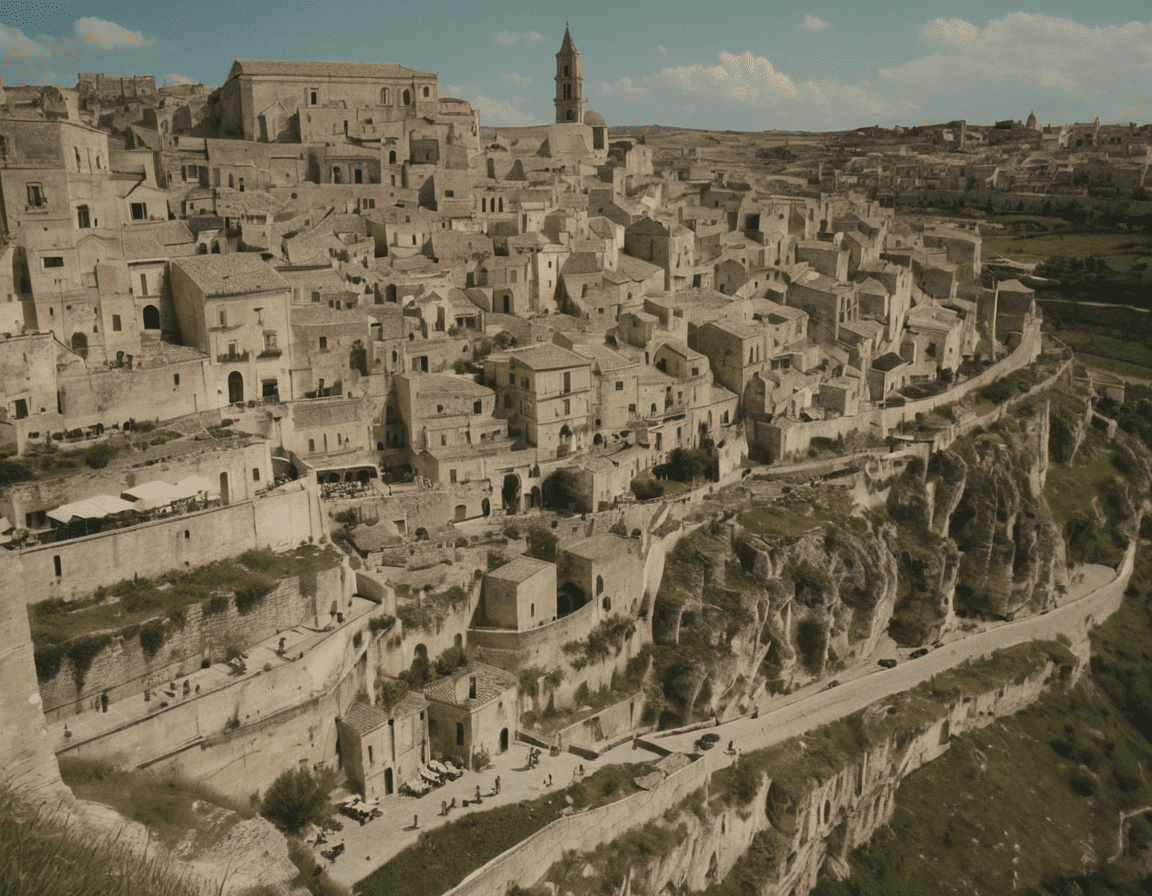
Located in the southern region of Basilicata, Italy, is a place of extraordinary beauty and historical significance: the Sassi of Matera. Carved into the rugged landscape of a rocky ravine, Matera's Sassi (stones) are among the oldest inhabited cave dwellings in the world, with a history spanning millennia. In this article, we will explore the rich heritage and timeless allure of Matera's Sassi.
A Living Testament to History:
The story of Matera's Sassi dates back to prehistoric times, with evidence of human settlement in the area dating as far back as the Paleolithic era. Over the centuries, successive civilizations, including the Romans, Byzantines, and Normans, left their mark on Matera, each contributing to its unique architectural and cultural heritage. However, it was during the Middle Ages that Matera's Sassi flourished, becoming a thriving center of trade and craftsmanship.
The Architecture of the Sassi:
What makes Matera's Sassi truly remarkable is their architectural ingenuity. Carved directly into the soft limestone cliffs, the Sassi are a labyrinth of caves, grottoes, and narrow alleyways, interconnected by winding staircases and hidden passages. These humble dwellings, once home to peasants and artisans, are characterized by their simple yet functional design, with whitewashed facades and flat rooftops that blend seamlessly with the surrounding landscape.
Life in the Sassi:
For centuries, the Sassi of Matera were home to a vibrant community, where families lived in close-knit quarters, sharing communal spaces and resources. Despite the primitive conditions, Matera's inhabitants adapted ingeniously to their environment, using natural caves for shelter and cultivating terraced gardens on the rocky slopes. The Sassi also housed artisan workshops, churches, and monasteries, reflecting the spiritual and cultural life of the inhabitants.
The Resurgence of Matera:
In the mid-20th century, Matera's Sassi fell into a state of neglect and disrepair, earning the city a reputation as the "shame of Italy." However, in the 1950s, a government-led initiative aimed at eradicating poverty and improving living conditions resulted in the forced relocation of the Sassi's inhabitants to modern housing developments on the outskirts of the city. This exodus left the Sassi abandoned and silent for decades.
A UNESCO World Heritage Site:
In 1993, Matera's Sassi were designated a UNESCO World Heritage Site, recognizing their outstanding universal value and cultural significance. Since then, efforts have been made to preserve and revitalize the Sassi, leading to a resurgence of interest in Matera's ancient heritage. Today, the Sassi are once again bustling with life, with many of the caves and grottoes transformed into boutique hotels, restaurants, and artisan workshops.
Conclusion:
The Sassi of Matera stand as a testament to the resilience and ingenuity of the human spirit. From their humble beginnings as prehistoric caves to their modern-day revival as a thriving cultural hub, Matera's Sassi continue to captivate visitors from around the world with their timeless beauty and rich history. As Matera looks towards the future, the Sassi serve as a reminder of the importance of preserving our shared heritage for generations to come.