UNESCO: Promoting Education, Science, and Culture for a Sustainable Future
UNESCO, the United Nations Educational, Scientific, and Cultural Organization, is a specialized agency of the United Nations founded in 1945 with the goal of contributing to peace and security by promoting international collaboration in education, science, culture, and communication. Based in Paris, UNESCO works worldwide to support sustainable development and improve the quality of life through various initiatives and programs.
Mission and Objectives
UNESCO's mission is to build peace, eradicate poverty, promote sustainable development, and foster intercultural dialogue through education, the sciences, culture, communication, and information. The main objectives of UNESCO include:
Promoting Education for All: UNESCO works to ensure that everyone has access to quality, equitable, and inclusive education. This goal includes supporting literacy, girls' education, and teacher training, as well as promoting global citizenship education and sustainable development.
Fostering Science for Sustainable Development: UNESCO promotes international scientific cooperation and the use of science and technology to address global challenges such as climate change, food security, water resource management, and biodiversity.
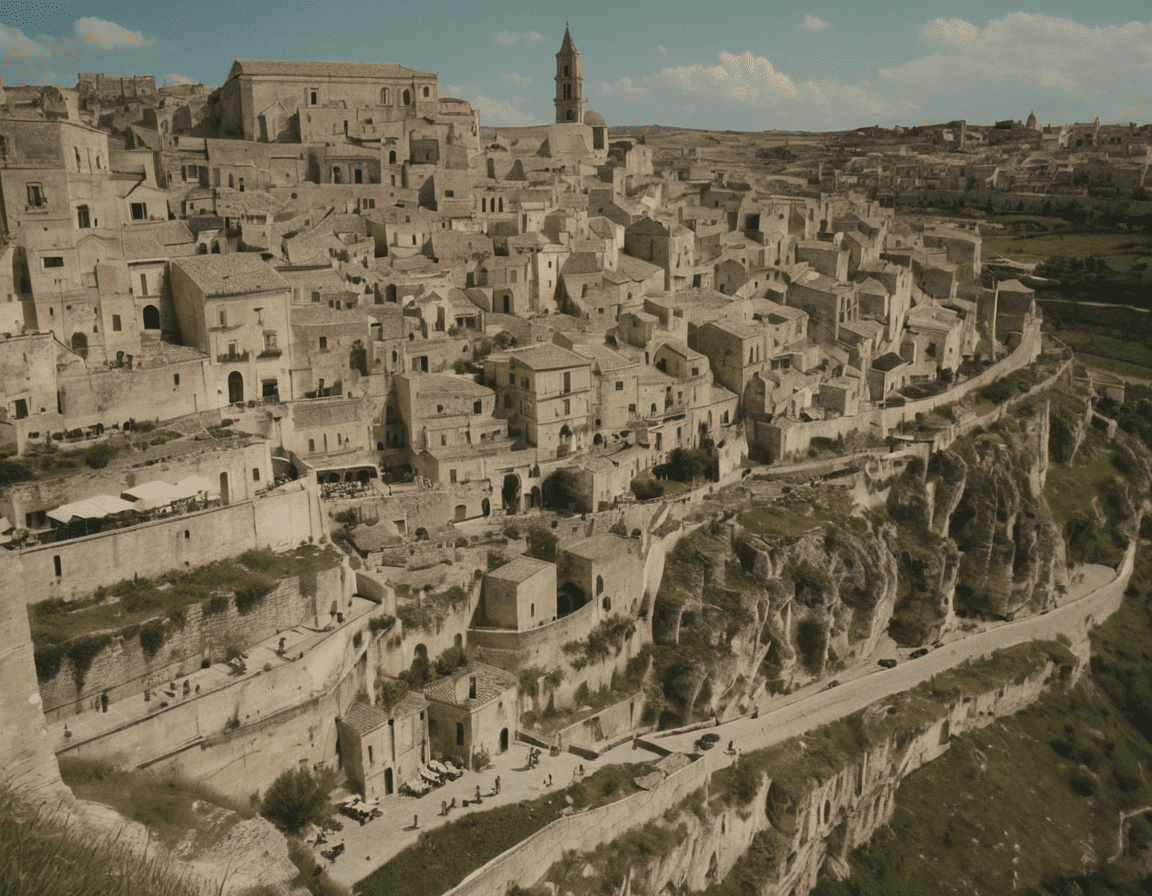
Protecting and Promoting Cultural Heritage: UNESCO works to identify, protect, and preserve the world's cultural and natural heritage through programs such as the World Heritage List, the Convention for the Safeguarding of the Intangible Cultural Heritage, and the Convention on the Protection of the Underwater Cultural Heritage.
Promoting Cultural Diversity and Intercultural Dialogue: UNESCO supports policies and practices that promote cultural diversity and intercultural dialogue, recognizing the importance of culture as a driver of development and social cohesion.
Supporting Freedom of Expression and Access to Information: UNESCO defends press freedom and media independence, promotes universal access to information, and supports the dissemination of knowledge through new technologies.
Key UNESCO Programs
UNESCO manages a series of key programs to achieve its objectives:
World Heritage Program: This program identifies and protects sites of outstanding cultural and natural value worldwide. Currently, there are over 1,100 sites inscribed on the World Heritage List, reflecting the diversity and richness of global heritage.
Education 2030: In line with the United Nations' 2030 Agenda for Sustainable Development, UNESCO leads global efforts to achieve the goal of quality education for all by 2030. This program focuses on themes such as inclusion, equity, teaching quality, and lifelong learning.
Man and the Biosphere (MAB) Program: The MAB program promotes a balanced relationship between people and nature through the creation of biosphere reserves, which are sites recognized for their biodiversity and sustainable land management practices.
Memory of the World Program: This program aims to preserve and provide access to documents and archives of significant historical importance to humanity. The Memory of the World program protects documentary heritage against loss and deterioration.
Communication and Information Program: UNESCO works to improve access to information and communication by promoting freedom of expression, media pluralism, and media literacy.
Achievements and Challenges
UNESCO has achieved many successes in its over 75 years of activity. It has contributed to improving access to education in numerous countries, played a crucial role in protecting and conserving World Heritage sites, and promoted intercultural dialogue and international scientific cooperation.
However, UNESCO also faces many challenges. Increasing urbanization, armed conflicts, climate change, and social and economic inequalities threaten the progress achieved. Additionally, the organization must deal with financial resource shortages and the need to quickly adapt to technological and global changes.
Conclusion
UNESCO plays a vital role in promoting peace, sustainable development, and intercultural dialogue through education, science, culture, and communication. Its programs and initiatives help preserve the world's cultural and natural heritage, improve access to education and information, and promote scientific and cultural cooperation. The continuing evolution of global challenges requires a constant and innovative commitment from UNESCO to ensure that its goals of peace and sustainable development are achieved for the benefit of all future generations.