The Paleochristian Monuments of Ravenna: Treasures of Art and Spirituality
Ravenna, a city located in the Italian region of Emilia-Romagna, is renowned for its extraordinary collection of paleochristian monuments, representing a valuable treasure of art and spirituality from ancient Rome and the early years of Christianity. In this article, we will explore some of Ravenna's most significant monuments and their historical and cultural importance.
The History of Ravenna:
Ravenna was once the capital of the Western Roman Empire and later became an important religious center during the Byzantine period. During this time, between the 4th and 6th centuries, the city experienced a period of great prosperity and artistic fervor, reflected in its paleochristian monuments.
The Mosaics of San Vitale:
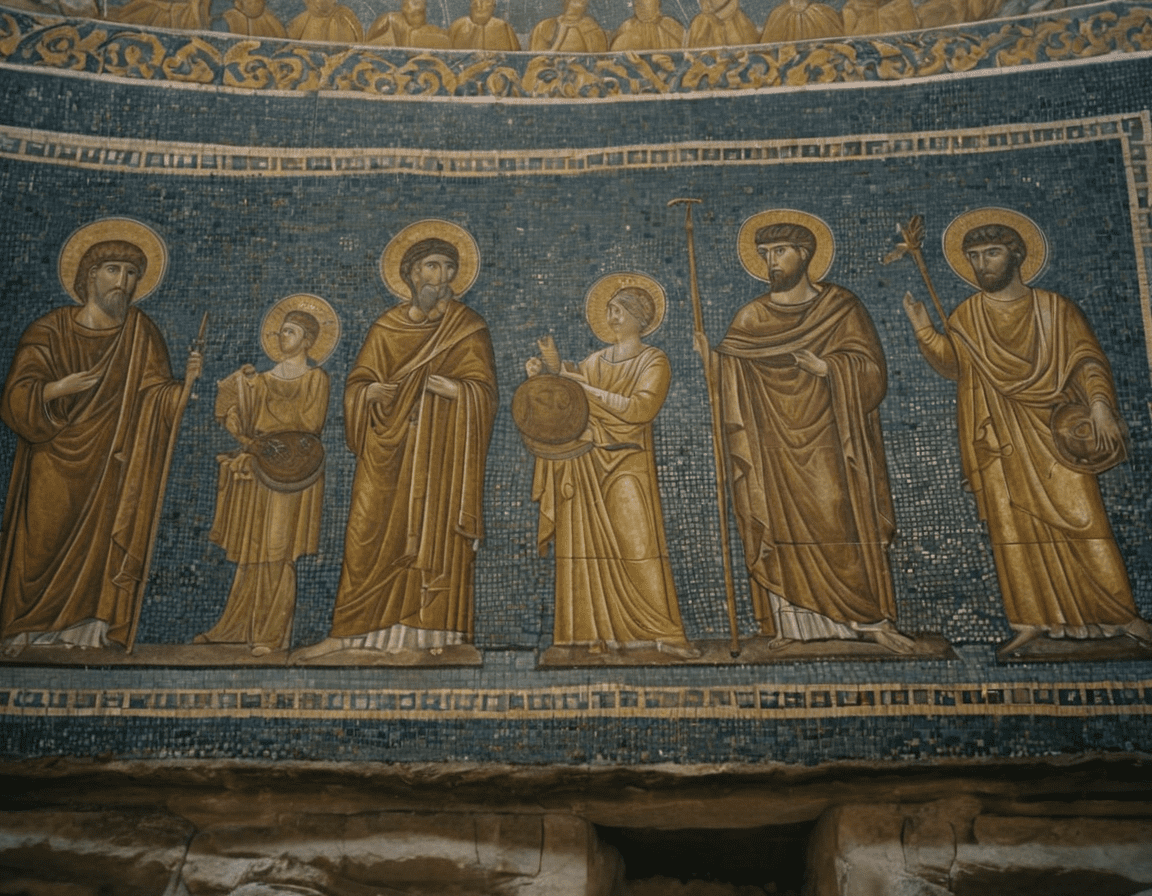
Among Ravenna's most famous monuments are the mosaics of the Basilica of San Vitale, considered some of the most important examples of paleochristian and Byzantine art. The mosaics, created in the 6th century, adorn the walls and dome of the church and depict scenes from the Bible, saints, and figures of Emperor Justinian and his court. The beauty and artistic mastery of the mosaics of San Vitale make them a must-see for visitors to Ravenna.
The Mausoleum of Galla Placidia:
Another monument of great importance is the Mausoleum of Galla Placidia, built in the 5th century for the sister of Emperor Honorius, Galla Placidia. The interior of the mausoleum is decorated with mosaics of extraordinary beauty, depicting scenes of the Crucifixion, the Orant, and the Four Evangelists. These mosaics are considered some of the finest examples of paleochristian art and are a symbol of Ravenna's artistic and spiritual wealth.
The Basilica of Sant'Apollinare Nuovo:
Another masterpiece of paleochristian art is the Basilica of Sant'Apollinare Nuovo, built in the 6th century. Inside the basilica are mosaics depicting the stories of the life of Jesus Christ and the saints, along with figures of martyrs and bishops. The mosaics of Sant'Apollinare Nuovo are an important testimony to the art and Christian faith of the time.
The Baptistery of the Arians:
Finally, the Baptistery of the Arians is another monument of great historical and artistic interest. Built in the 5th century, the baptistery features an impressive dome decorated with mosaics depicting the Baptism of Christ and scenes from the life of John the Baptist. These mosaics are among the oldest in Ravenna and offer a valuable glimpse into the life and culture of the time.
In conclusion, Ravenna's paleochristian monuments are an extraordinary heritage that testifies to the city's rich history and profound spirituality. Through their mosaics and architecture, these monuments speak of a time of great artistic fervor and deep faith that shaped the destiny of the city and the Christian world. Visiting Ravenna and its paleochristian monuments is an experience that leaves an indelible impression on the mind and soul.