Conservation Technologies for Cultural Heritage: Innovation in Service of Memory
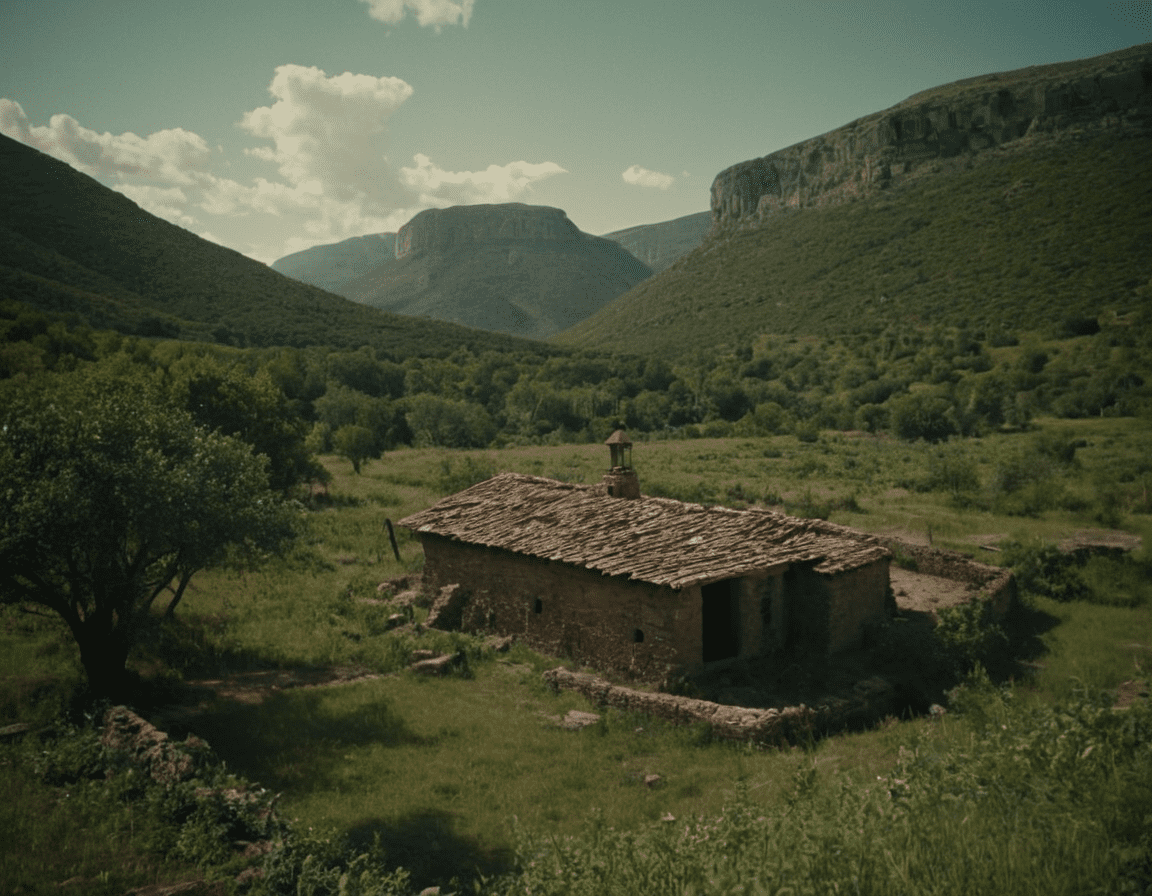
The conservation of cultural heritage is a complex challenge that requires an interdisciplinary approach and the use of advanced technologies. Historic buildings, artifacts, artworks, and archaeological sites are subject to deterioration caused by natural and human factors. Technological innovation offers powerful tools to preserve these cultural assets, ensuring that future generations can continue to enjoy and learn from the riches of the past.
Importance of Technological Conservation
Conservation technologies are essential for addressing degradation issues and accurately documenting the current state of cultural assets. These tools allow for more precise and sustainable monitoring, analysis, and restoration of assets, minimizing direct human intervention and preserving the integrity of original materials.
Key Conservation Technologies
3D Laser Scanning and Photogrammetry: These technologies enable the creation of detailed digital models of buildings, monuments, and artifacts. 3D laser scanning uses a laser beam to measure the dimensions and shape of an object, while photogrammetry uses overlapping photographs to create a three-dimensional model. These models can be used to document the current state, plan restoration interventions, and create digital replicas for research and education.
Environmental Sensors and Remote Monitoring: Environmental sensors can monitor temperature, humidity, air quality, and other variables that influence the conservation of cultural assets in real-time. This data allows for the rapid identification of conditions that could cause deterioration and timely intervention to mitigate risks.
Laser Restoration Techniques: Lasers can be used to gently clean the surfaces of artworks and monuments, removing layers of dirt, paint, and corrosion without damaging the underlying material. This technique is particularly useful for the restoration of sensitive materials such as marble and bronze.
Micro-Robotics and Nanotechnology: Micro-robots can perform small-scale restoration operations, reaching difficult-to-access areas and minimizing direct human intervention. Nanotechnology offers advanced solutions for material conservation, such as nanoparticles that can consolidate degraded materials or protect surfaces from further damage.
Computed Tomography (CT) and Magnetic Resonance Imaging (MRI): These non-invasive imaging techniques allow for the examination of the interior of artifacts and artworks without dismantling or damaging them. CT and MRI are used to identify internal structures, including defects, hidden paint layers, and different materials, providing valuable information for conservation and restoration.
3D Printing: 3D printing can be used to create exact replicas of artifacts and parts of monuments. These replicas can be used for educational purposes, museum exhibitions, or as temporary substitutes during the restoration of original pieces.
Examples of Application of Conservation Technologies
Restoration of the Sistine Chapel: During the restoration of Michelangelo's frescoes in the Sistine Chapel, advanced imaging techniques were used to document and analyze the condition of the paintings. The use of lasers for cleaning allowed the removal of layers of dirt and smoke without damaging the original colors.
3D Scanning of the Ruins of Palmyra: After the partial destruction of the archaeological site of Palmyra in Syria, 3D scanning technologies were used to create digital models of the ruins, enabling precise documentation and future restoration plans.
Monitoring of the Colosseum: The Colosseum in Rome is monitored using environmental sensors that continuously measure humidity, temperature, and vibrations. This data helps prevent structural damage and maintain optimal conditions for the conservation of the monument.
Challenges and Future Prospects
Despite technological advances, the conservation of cultural heritage still presents several challenges. The lack of funding, limited access to advanced technologies in some regions, and the need for specialized training are significant obstacles. Additionally, it is essential to ensure that the technologies used are sustainable and non-invasive.
Looking to the future, research and innovation will continue to play a crucial role. International collaboration, knowledge sharing, and the adoption of interdisciplinary approaches will be fundamental in developing new solutions and ensuring the long-term protection of cultural heritage.
Conclusion
Conservation technologies for cultural heritage offer powerful tools to preserve and protect the riches of our past. Through the innovative use of technologies such as 3D scanning, environmental sensors, laser restoration, and micro-robotics, we can address the challenges of deterioration and ensure that cultural assets continue to inspire and educate future generations. The combination of traditional skills and advanced technologies represents the key to sustainable and respectful conservation of our shared heritage.