Compressed Air Car Engines: An Innovative Vision for Sustainable Mobility

Introduction
Compressed air car engines represent one of the most innovative and promising technologies in the field of sustainable mobility. Using compressed air as an energy source, these engines offer an ecological and potentially more economical solution compared to traditional internal combustion engines and battery electric vehicles. In this article, we will explore how compressed air engines work, their advantages and disadvantages, the current state of the technology, and future prospects.
How Do Compressed Air Engines Work?
Compressed air engines use air stored in high-pressure tanks to generate movement. Here is a detailed description of how they work:
Air Storage:
High-Pressure Tanks: Air is compressed and stored in special tanks, usually made of strong materials like carbon fiber or Kevlar, which can withstand very high pressures, often up to 300 bar.
Generating Movement:
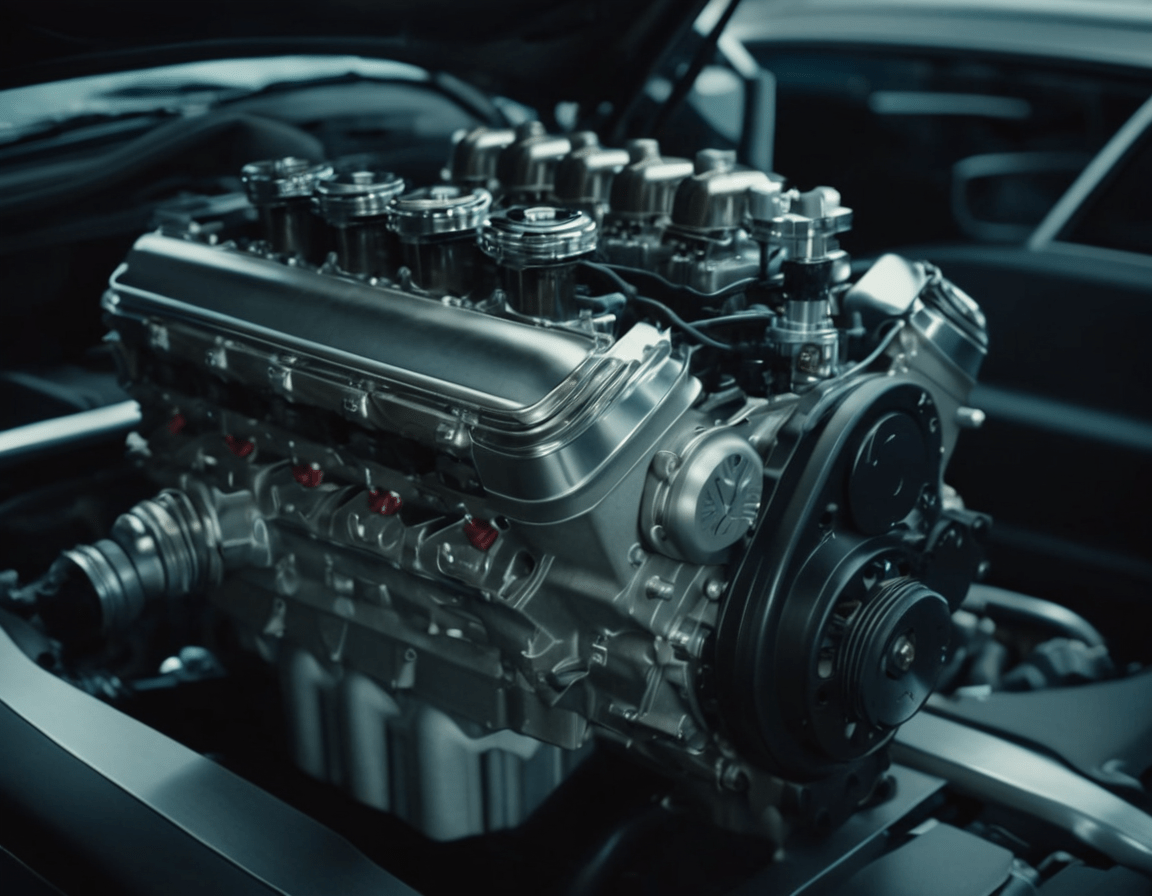
Air Expansion: When the engine is running, compressed air is released from the tanks and directed into the engine's cylinders. The air expands rapidly, pushing the pistons and generating mechanical movement.
Energy Conversion: The kinetic energy produced by the expanding air is converted into rotational movement through a crankshaft, which in turn drives the vehicle's wheels.
Air Recycling:
Recovery System: Some models of compressed air engines include energy recovery systems that capture the air after expansion and recompress it, improving the overall efficiency of the system.
Advantages of Compressed Air Engines
Zero Direct Emissions:
Eco-Friendliness: Compressed air engines do not produce greenhouse gases or pollutants during operation, making them a highly ecological solution.
Pollution Reduction: They help improve air quality in urban areas, reducing the environmental impact of transportation.
Reduced Operating Costs:
Fuel Economy: Compressed air is an abundant and low-cost resource, significantly reducing refueling costs compared to fossil fuels.
Simple Maintenance: Compressed air engines have fewer moving parts compared to internal combustion engines, reducing the need for maintenance and repairs.
Safety:
No Fire Risk: Since they do not use flammable fuels, compressed air engines eliminate the risk of fires and explosions.
Disadvantages of Compressed Air Engines
Limited Range:
Lower Energy Density: Compressed air has a lower energy density compared to fossil fuels and electric batteries, resulting in a more limited range for compressed air vehicles.
Frequent Recharging: Compressed air tanks need to be recharged more frequently, which can be less convenient for long trips.
Energy Efficiency:
Energy Losses: During the compression and expansion of air, energy is lost as heat, reducing the overall efficiency of the system.
Energy Required for Compression: Compressing the air requires energy, which may come from non-renewable sources, reducing environmental benefits.
Refueling Infrastructure:
Limited Availability: Currently, refueling stations for compressed air tanks are few and far between, limiting the practicality of compressed air vehicles.
Implementation Costs: Creating a widespread refueling infrastructure requires significant investments.
Current State of the Technology and Future Prospects
Available Models:
Prototypes and Experiments: Various companies are developing prototypes of compressed air vehicles, such as Tata Motors with its AirPod project, which aims to offer an ecological and economical urban transportation solution.
Technological Developments:
Efficiency Improvements: Research continues to improve the efficiency of compressed air engines, reducing energy losses and increasing range.
Advanced Materials: Using lighter and stronger materials for the tanks and engine components can improve performance and safety.
Integration with Renewable Energy:
Sustainable Production: Compressing air using renewable energy, such as solar and wind, can further enhance the sustainability of compressed air engines.
Conclusion
Compressed air car engines offer an innovative vision of sustainable mobility, with significant potential benefits in terms of ecological compatibility and operating costs. However, to fully realize their potential, challenges related to range, energy efficiency, and refueling infrastructure need to be addressed. With continuous technological developments and investments in infrastructure, compressed air vehicles could become an important component of the future of sustainable transportation.