Caribbean on the Dance Floor: The Dance Without Barriers
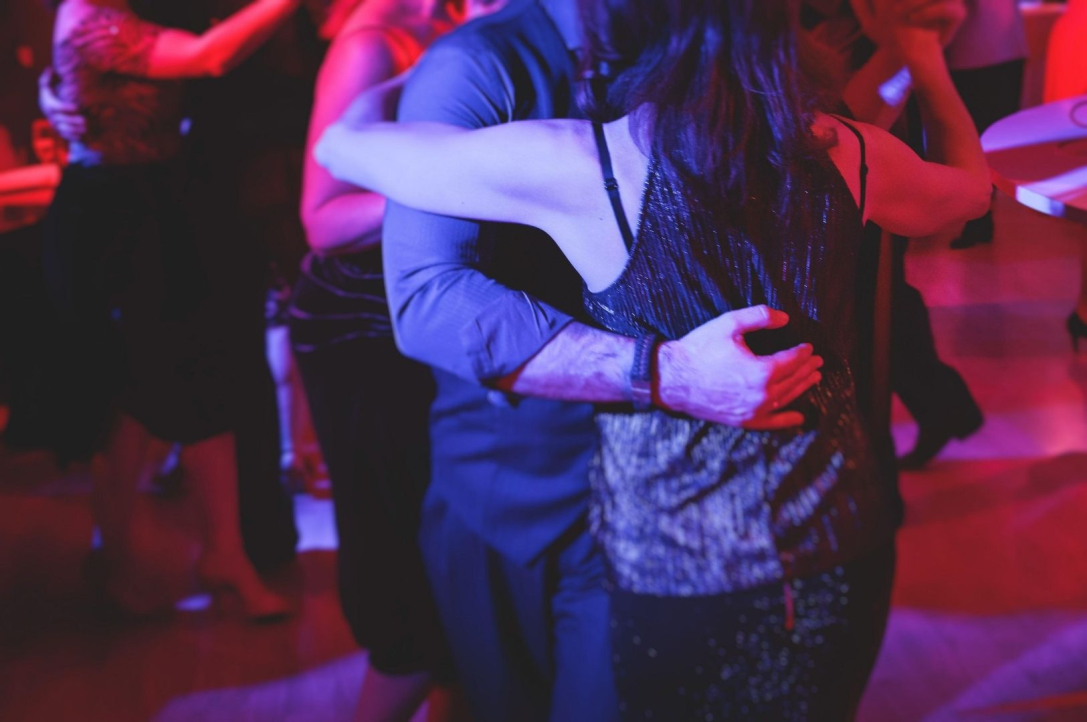
There’s a moment, at every Caribbean dance night, when something happens that’s hard to explain to anyone who hasn’t experienced it. A twenty-year-old in sneakers dances with a man in his seventies, a factory worker spins with a company director, and nobody wonders who the other person is. All that matters is the music, and the hand inviting you into the rhythm.
Roots of an Encounter
Caribbean dances were born from a crossing of cultures: African percussion, Spanish melodies, indigenous traditions. They are a blend from the very beginning, and perhaps that’s why they welcome everyone so naturally.
A Few Fun Facts
Bachata was born in the working-class neighborhoods of the Dominican Republic and was viewed with suspicion by the elites for decades. Today it’s recognized by UNESCO (since 2019) and danced all over the world.
Merengue has an extremely simple step and a curious legend: it’s said to have begun as an imitation of the limp of a wounded hero, which everyone supposedly copied out of solidarity. It, too, is recognized by UNESCO (2016).
Salsa, finally, is a young name: it took hold in New York in the 1970s, but its ingredients come from Cuba, including son, mambo and rumba.
A Dance You Learn by Watching
You dance as a couple, but you keep switching partners: one song with one person, the next with someone else. Beginners are guided by experienced dancers, who remember their own first time very well. And when you dance, degrees, bank accounts and backgrounds are left at the door: all that counts is listening to each other.
Generations in Dialogue
Grandparents raised on son and kids with bachata in their headphones share the same floor: the former bring tradition, the latter new influences, from reggaeton to electronic music. The same goes for origins: in our cities, from Turin to Rome, Latin nights are among the few places where Italians, Latin Americans, Africans and Eastern Europeans truly share the same space.
A Language Without Translation
You don’t need to speak Spanish to understand a bachata, or know the history of Cuba to feel the pulse of a salsa. In an age when we seem divided by screens and opinions, moving together, one step apart and in time with the same music, is a small act of community.
After all, we all move to the same rhythm.