Competitive swimming. Behind Every Medal, Years of Lanes and Consistency
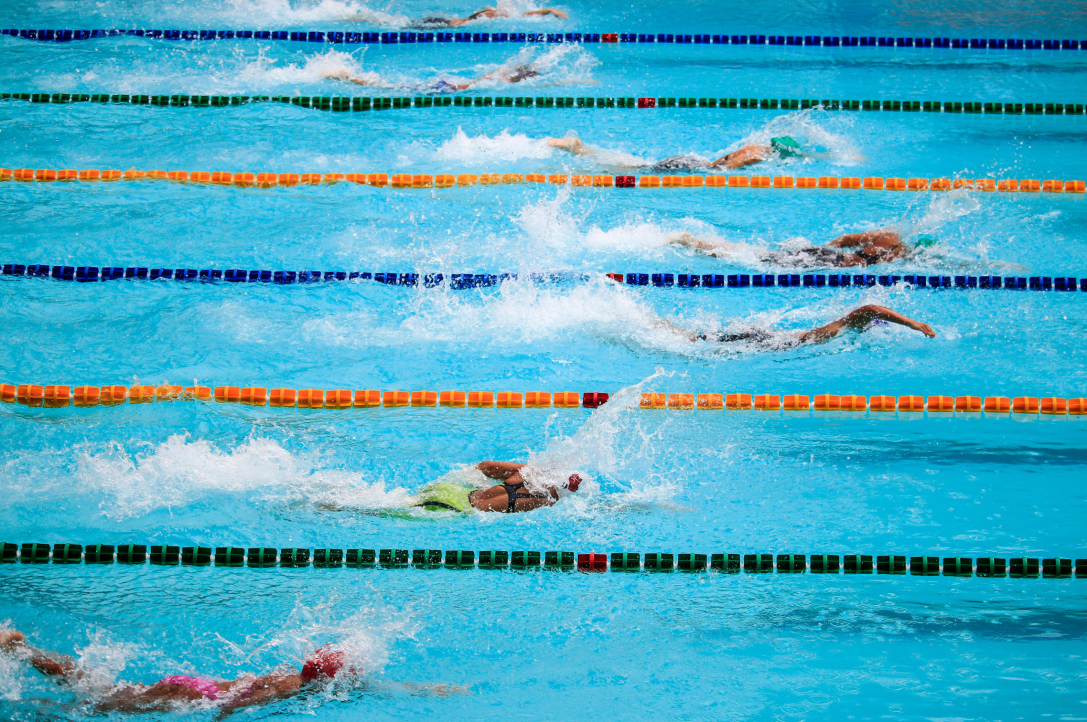
Every time an Italian swimmer steps onto the podium, the audience sees a race that lasts a few seconds or a few minutes. What they don’t see are the thousands of hours spent in the water to get there.
Recent results are extraordinary. At the European Championships in Paris, for example, Italy won 43 medals across all aquatic disciplines and received the Nations Trophy as the best delegation. And yet, it is talked about far too little.
But where does all of this begin?
It begins a long way back, among the kids in the Esordienti category (ages 7-12). Those who choose competitive swimming start training early, three to six times a week depending on their category. These are hours in the water to improve water confidence, build physical strength and refine technique, often before school or after it, when their friends are already at home.
The paradox is right here: so much effort for a race that can last just a few dozen seconds. A 50 or 100 meters is decided in an instant, and a mistake on a turn or a start can’t be made up. That is why these kids’ consistency is exceptional. They train when it’s cold, when they’re tired, when their times aren’t improving, and they come back to the pool the next day.
Then there is something the rankings don’t show: the group.
Swimming is an individual sport only in appearance. In the lane you race alone against the clock, but a whole team is waiting on the pool deck. Teammates cheer each other on during the toughest training sessions, shout from the stands, and hug whoever has just finished, even after a bad race. Friendships that last for years are born here, and that voice cutting through the noise of the water is often worth more than any technical advice.
These are values that stay with you even after you stop competing: discipline, respect, a spirit of sacrifice, the ability to work as a team.
So the next time you watch a final on TV, think about everything behind those few seconds. After all, every medal is also the result of a group that believed in the same kid, day after day.